
madagascar safaris

Madagascar Health & Vaccinations

Malaria and Yellow Fever


Madagascar Health Information

As with any foreign destination, it is important to check with your doctor(s) well ahead of your departure date regarding vaccinations and other necessary precautions that account for the conditions in your destination country as well as your personal health.


Malaria Recommendations for Madagascar

Malaria is prevalent in all regions of Madagascar, especially in the lower altitudes. Therefore, consultation with a medical professional at least eight weeks before travel is critical for safety and overall health.


Yellow Fever Vaccination Requirements for Madagascar
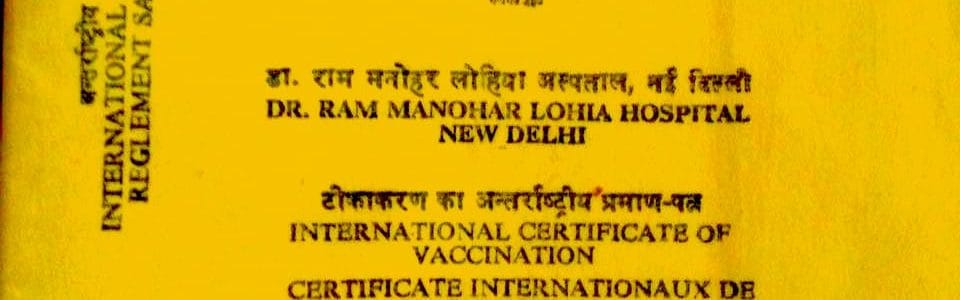
yellow fever vaccination certificate

There is no yellow fever risk in Madagascar. In order to maintain this status, Madagascar requires a yellow fever vaccination certificate from those travelling from the following countries (travel includes transit stays that surpass 12 hours): Angola, Argentina, Benin, Bolivia, Brazil, Burkina Faso, Burundi, Cameroon, Central African Republic, Chad, Colombia, Congo, Cote d’Ivoire, Democratic Republic of Congo, Ecuador, Equatorial Guinea, Ethiopia, French Guyana, Gabon, Gambia, Ghana, Guinea, Guinea Bissau, Kenya, Liberia, Mali, Mauritania, Nigeria, Panama, Paraguay, Peru, Senegal, Sierra Leone, South Sudan, Sudan, Suriname, Togo, Trinidad and Tobago, Uganda, and Venezuela.

If Madagascar is still one of several options, our guide to African safari destinations compares every country we work in side by side, including malaria status, the best months to visit, typical trip lengths and starting prices.

Madagascar health and vaccinations: common questions

Do I need a yellow fever certificate to enter Madagascar?

Only if you are arriving from a country with risk of yellow fever transmission, including airport transits over twelve hours — and note Madagascar’s threshold is nine months of age, not one year. Madagascar is not itself a risk country. Under the International Health Regulations the yellow fever certificate has been valid for life since 11 July 2016, and that applies retrospectively to certificates issued before then. No country may demand a booster as a condition of entry. The certificate becomes valid on the tenth day after vaccination. Addis Ababa and Nairobi are the main connections into Antananarivo, so this comes up more often than you might expect.

Is there malaria in Madagascar?

Yes, and the guidance genuinely differs depending on who you ask. Current UK guidance treats the whole island as high risk including Antananarivo; CDC excludes the capital. Coastal and eastern lowlands carry the heaviest risk under either reading. We would present both to your travel clinic and let them decide for your itinerary rather than pick one and sound certain. We do not administer or arrange prophylaxis.

What is the situation with plague in Madagascar?

Plague is endemic in the central highlands, with a seasonal pattern running roughly September to April. The 2017 urban pneumonic outbreak was the exceptional event rather than the norm, and it is not a reason to avoid the country — but it is real, it is distinctive, and a travel clinic should know your itinerary. Medical infrastructure outside Antananarivo is very limited, which is why evacuation cover is not optional on a Madagascar trip.

I am travelling from India — is there anything extra?

Yes. Madagascar is on India’s polio advisory list, so travellers departing India need a dose of OPV or IPV at least four weeks before departure, regardless of age or prior vaccination status. The certificate is valid for a year and is free at any authorised yellow fever centre. Build the four weeks into your booking timeline.

What else should I plan for?

Schistosomiasis is widespread in fresh water, and rabies pre-exposure has a stronger case here than in southern Africa purely because of how far you may be from treatment. A clinic will typically cover hepatitis A, typhoid, tetanus, diphtheria, polio and MMR. One planning note that has nothing to do with health but shapes every Madagascar trip: domestic aviation is the binding constraint. Internal flights are limited and prone to change, and that compresses itineraries far more than weather does — which is why we build in slack. See our guide to the best time to visit Madagascar.