
Answers to the questions we hear most often from travellers planning their first — or fifth — African safari. Can’t find what you’re looking for? Get in touch and a safari specialist will reply within 24 hours.
When is the best time to go on safari?
There is no single “best” time — it depends on where you’re going and what you want to see. The Great Migration river crossings in the Masai Mara and Serengeti peak between July and October, while the dry winter months (June–October) offer superb game viewing across Botswana, Zambia and Zimbabwe. Green season (roughly November–May) brings dramatic skies, newborn wildlife, fewer vehicles and significantly better value. Tell us your travel dates and we’ll recommend the destinations that shine at that time of year.
When is the best time to visit Africa? What is the weather like?
How much does a luxury African safari cost?
Safari pricing varies widely with season, destination and level of accommodation. As a general guide, most of our safaris fall between US $1,100 and US $1,300 per person per night, with exclusive camps and private-use villas ranging higher. Your quote typically covers accommodation, all meals, twice-daily game drives, park fees and light-aircraft transfers — so the headline price includes far more than a conventional holiday. We work with you to build an itinerary that maximises experience within your budget.
Is it safe to travel on safari in Africa?
Yes. The safari regions we recommend are politically stable, far from urban centres, and staffed by highly trained professional guides. Camps follow rigorous safety protocols, and you are accompanied on all wildlife activities. We monitor conditions in every destination we sell and will never send you somewhere we wouldn’t happily travel ourselves.
What visas and vaccinations do I need?
Requirements depend on your nationality and the countries you visit. Many safari destinations offer visas on arrival or simple e-visa systems. Yellow fever certificates are required when arriving from certain countries, and malaria prophylaxis is recommended for most safari areas — consult a travel-health professional 6–8 weeks before departure. We provide a detailed, destination-specific checklist with every confirmed booking.
How far in advance should I book?
For peak-season travel (July–October) and sought-after camps, we recommend booking 9–12 months ahead — the best guides and rooms genuinely sell out. Green-season and shoulder-season journeys can often be arranged 3–6 months out, and we do accommodate last-minute requests when availability allows.
Are safaris suitable for families with children?
Absolutely. Many lodges welcome children and offer dedicated family suites, flexible meal times and brilliant junior-ranger programmes. Some camps have minimum-age policies for game drives, so family itineraries need careful design — that’s exactly what we do. Private vehicles and exclusive-use villas are wonderful options for multi-generational travel.
Can children come on an Africa safari? What’s the minimum age?
What is included in the price of my safari?
Most safari camps are fully inclusive: accommodation, all meals, scheduled game drives and activities, park and conservancy fees, laundry, and in many cases drinks. Light-aircraft transfers between camps are quoted as part of your itinerary. International flights, visas, travel insurance and gratuities are typically excluded — your proposal will spell out exactly what’s covered, line by line.
Are my payments protected?
Yes. Chalo Africa is a US-registered company and our professional liability is insured through Berkshire Hathaway. We work only with established, financially sound camp operators and ground handlers, and your payments are documented and receipted at every stage.
Do I need travel insurance?
Yes — comprehensive travel insurance including emergency medical evacuation cover is a condition of travel on all our safaris. Remote wilderness areas are far from hospitals, and evacuation cover (often included with policies from providers such as Global Rescue or your travel insurer) is essential. We’re happy to point you to suitable options.
Travel insurance, health insurance and vaccinations for your African safari
How do I get started?
Simply complete our Start Planning form or email hello@chaloafricainc.com. Tell us roughly when you’d like to travel, who’s coming, and what’s on your wish list. A specialist will come back to you within 24 hours with ideas — and from there we refine together until the itinerary is perfect.
Planning & choosing your safari
Which country should I choose for my safari?
Rather than starting with a country, we start with you — what you most want to see and do, when you can travel, and your budget. Kenya and Tanzania are wonderful first-timer choices for classic big-game and the Great Migration; Botswana, Zambia and Zimbabwe reward those after a wilder, water-based or walking safari; South Africa and Namibia suit self-drive and family trips; and Rwanda and Uganda are the places for mountain gorillas. Tell us your wish list and we’ll match you to the right country.
What type of safari should I choose?
That is exactly what we’re here to figure out together. Safaris range from classic game drives to walking safaris, canoe and boat safaris, fly-camping, gorilla trekking, cultural journeys and beach combinations. We’ll learn what excites you and shape the style, pace and mix accordingly.
How many days do I need for a good safari?
As a rule of thumb, we’d suggest at least 7 days on the ground to make the long journey worthwhile and to settle into the rhythm of safari. Shorter trips are possible, but a week or more lets you combine two or three contrasting areas without feeling rushed.
I’ve never been on safari. What should I keep in mind?
Start with what you most want to do and see, when you can travel and your budget — those three answers shape everything else. Beyond that, pack light, keep an open mind, and trust your guide. The rest is our job: matching you to the right parks, camps and season so your first safari is effortless.
I’ve never been on a safari before! What are some things I should keep in mind?
Do you create custom, bespoke, tailor-made safaris?
Yes — tailor-made travel is precisely what we do. The itineraries you see on our site are only samples to spark ideas; every journey we plan is crafted around your interests, dates and pace.
I’m looking for something different. Do you do customized, bespoke, tailor-made safaris?
Can you arrange offbeat destinations?
Absolutely — we love the road less travelled. From remote corners of the classic safari countries to genuinely offbeat destinations, we relish planning customised trips to places most operators won’t. Ask us and we’ll make it happen.
Can you create a customised trip for me to an offbeat destination like South Sudan?
I don’t only want to see animals. What else can I do?
Plenty. We can weave in cultural interactions with local communities, wine routes in South Africa, beach extensions, mountain treks, gorilla and chimp trekking, historical sites and more — so your trip is about far more than wildlife alone.
I don’t only want to see animals. Do you have some options besides wildlife safaris?
What activities can I do on safari?
Africa offers everything from game drives, guided walks, boat and canoe safaris and hot-air balloon flights to horse riding, fishing, cultural visits, and adventure pursuits like white-water rafting and climbing. We’ll match the activities to your camps and interests.
Group vs private, guiding & getting around
What’s the difference between a group safari and a private safari?
Group safaris are typically 4–8 travellers on set departure dates and fixed itineraries — sociable and often better value. A private safari is exclusively yours: your own vehicle, guide and pace, with the itinerary built entirely around you.
What is the difference between a group safari and a private safari?
Are safaris escorted and guided?
Yes. Unless you specifically choose a self-drive, self-camping trip, you’ll always be accompanied by a qualified safari guide who is your host, expert and companion throughout — and often the single biggest factor in a memorable safari.
How will I travel to and within Africa?
You’ll usually fly into a major gateway such as Nairobi, and most safari countries have good connections from Europe, the Middle East, the Americas and India. Within a country you’ll travel by light aircraft (fly-in) and/or road transfer between parks and camps.
What’s the difference between a fly-in and an overland (drive-in) safari?
A fly-in safari uses light aircraft to hop between parks — fast, scenic and ideal for covering distance. An overland or drive-in safari travels by road, letting you see the countryside, stop at landmarks and keep the same guide throughout. Many trips combine both.
What is a Fly-In Safari? What is an Overland or Drive-In Safari?
Where you’ll stay
Should I choose a lodge, tented camp or mobile camp?
A lodge is a permanent structure with solid walls and rooms; a tented camp offers canvas comfort — often surprisingly luxurious — with a closer connection to the bush; and a mobile camp moves with the wildlife for a more adventurous, exclusive experience. We’ll recommend the mix that fits your comfort level and route.
What type of accommodation should I choose while on safari? Lodge, tent or mobile camp?
What’s the difference between a national park and a conservancy?
National parks are government-protected areas open to all vehicles, which can mean busier sightings. Conservancies are community- or privately-managed lands with limited beds and vehicles, allowing off-road driving, night drives and walking — quieter, more exclusive, and directly supporting local communities.
What’s the difference between a national park and conservancy?
Packing & gear
What should I pack for safari?
Pack light, in soft, neutral colours (avoid bright colours, white and camouflage). Layers are key for chilly morning drives and warm afternoons, along with a hat, sunglasses, sunscreen, insect repellent and any personal medication. We’ll send you a full packing checklist once your trip is confirmed.
Are there luggage size and weight limits?
Yes — if your trip includes internal bush flights, luggage is usually limited to around 15 kg (33 lbs) in a soft-sided bag, as light aircraft have strict weight and space restrictions. We’ll confirm the exact allowance for your itinerary.
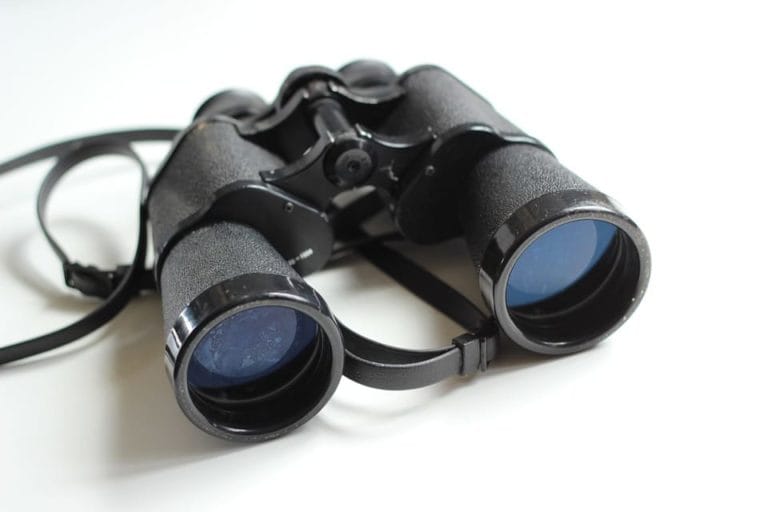
Can I rent binoculars or camera lenses?
Yes. We recommend owning a good pair of binoculars, but quality optics and long camera lenses can be expensive, so renting for your trip is a great option — just let us know what you need.
Can I rent binoculars or camera lenses for my African safari?
Any tips for photographers on safari?
Photography is very much encouraged. Bring a long lens (a 100–400mm is a great all-rounder), plenty of memory cards and spare batteries, and a bean bag for steadying shots from the vehicle. Early morning and late afternoon light is best — and your guide will help position the vehicle for the shot.
Who can go
Can senior citizens go on safari? Is there a maximum age?
There is no upper age limit at most safari camps. A few activities such as canoeing or walking require a reasonable level of fitness, but with the right choice of camps and a gentle pace, safaris are wonderfully suited to older travellers.
Can senior citizens come on an African safari? Is there a maximum age?
I find it difficult to walk or am physically challenged. Can I still go?
Yes, you can. Your choice of camps and activities may be a little more selective, but many lodges are accessible and game viewing is done from a vehicle. Tell us about your needs and we’ll design a comfortable, suitable itinerary.
I find it difficult to walk or am physically challenged. Can I go on a safari?
On safari — practical matters
How much money should I bring?
Most safaris are largely all-inclusive, so the main cash you’ll need is for tips, curios and personal shopping. We’ll advise sensible amounts and the best currencies to carry for your specific route.
Will I have internet, electricity and mobile signal?
In most places, yes — many camps now offer electricity (often solar) for charging and increasingly Wi-Fi in main areas. Mobile signal varies: good near towns and patchy in remote wilderness, which many guests come to enjoy as part of the escape.
Will I get internet, electricity, and mobile phone network on an African safari?
What is eco-tourism and responsible travel?
We follow the definition of eco-tourism as “responsible travel to natural areas that conserves the environment and improves the well-being of local people.” In practice that means choosing camps that protect wildlife and habitats and channel real benefit to local communities.
Can I gift a safari or set up a honeymoon registry?
Yes to both. You can plan and gift a safari to someone you love, or create a honeymoon registry so friends and family can contribute towards your trip. We’re happy to help you set it up.
Can I create a honeymoon registry for my safari? Or gift a safari?
Safari Guides & Further Reading
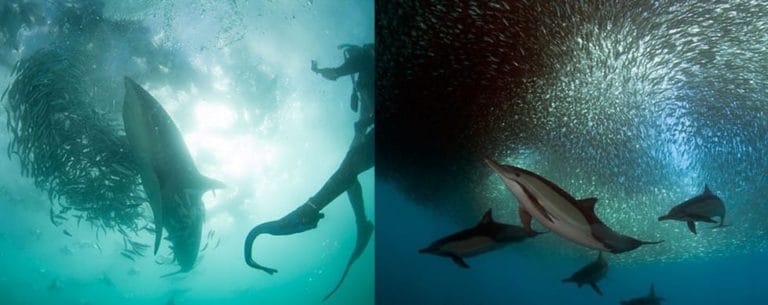 Adventure Holidays in AfricaAre adventure holidays safe? This is a very broad question. Some activities like white water rafting or rock climbing involve a greater...
 African Safari Packing ListHere is our packing list for your upcoming African safari. Tips on what you should pack for your African Safari Please avoid loud or bright...
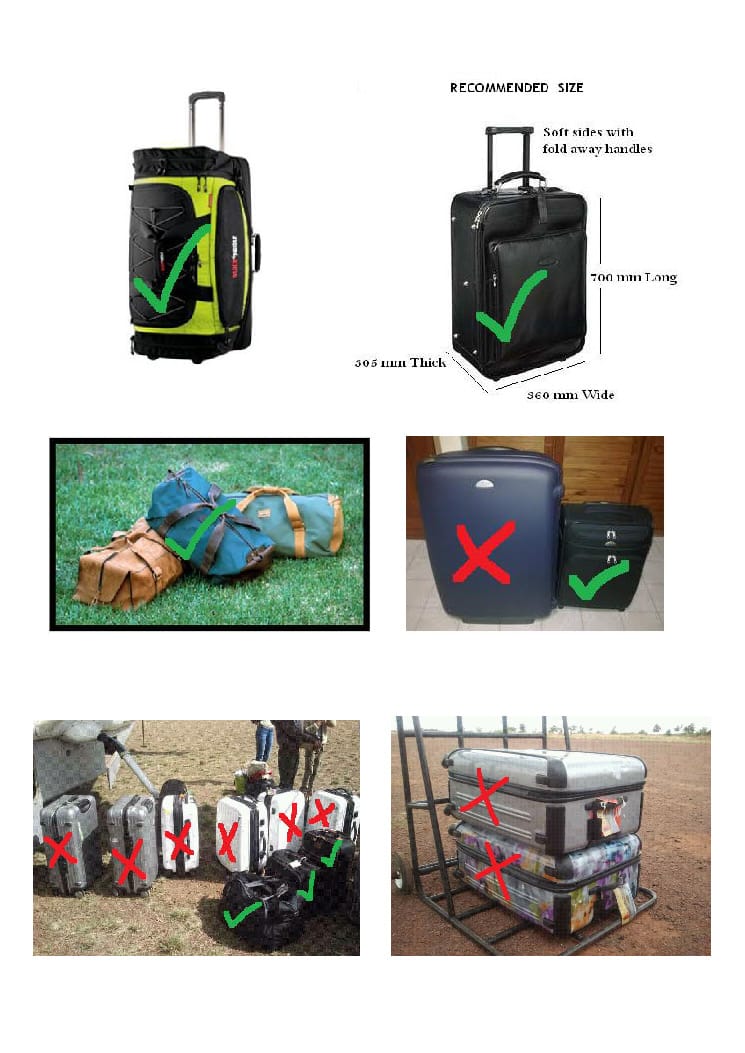 African safari suitcase size recommendations & luggage weight restrictionsI heard you are allowed only 15 kgs luggage on an African safari. Is this true? Yes, this is true if you...
 All about Private TravelOur Private Travel division can help create custom-made safaris or private safaris for your group. What is a custom-made safari? It is...
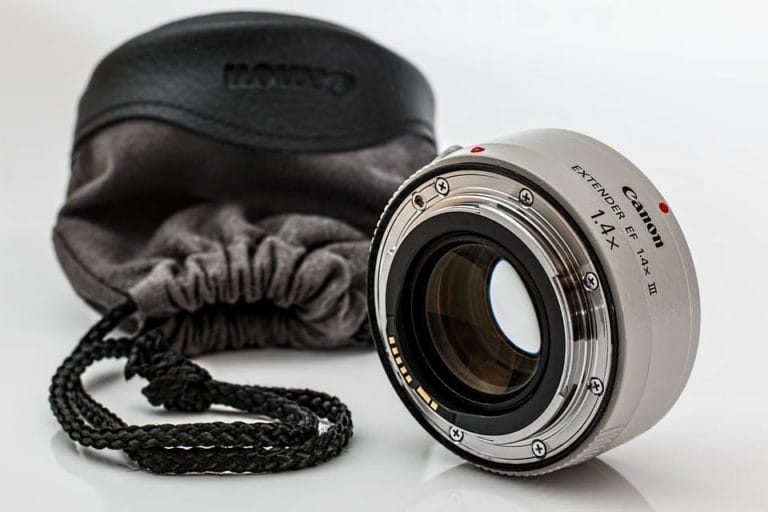 Tips for Photographers on African SafarisIs photography permitted while on safari? Indeed, it is! In fact for many people, African safaris provide a great excuse to upgrade...
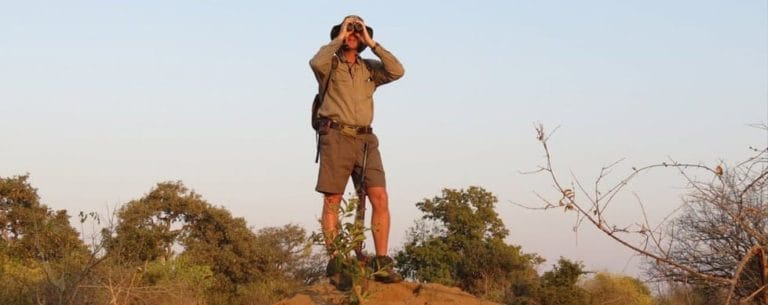 Who are the safari guides in Africa?Your safari guides will be your best friends and partners on this African adventure. They can single handedly transform your safari into...