
Mozambique Health & Vaccinations
Malaria and Yellow Fever
Mozambique Health Information
As with any foreign destination, it is important to check with your doctor(s) well ahead of your departure date regarding vaccinations and other necessary precautions that account for the conditions in your destination country as well as your personal health.
Malaria Recommendations for Mozambique
Mozambique poses a malaria risk, so please consult with your health professionals about how to most effectively prevent malaria throughout your trip. We especially recommend thorough consultation to travelers who wish to visit Mozambique during the summer months of December to March.
Yellow Fever Vaccination Requirements for Mozambique
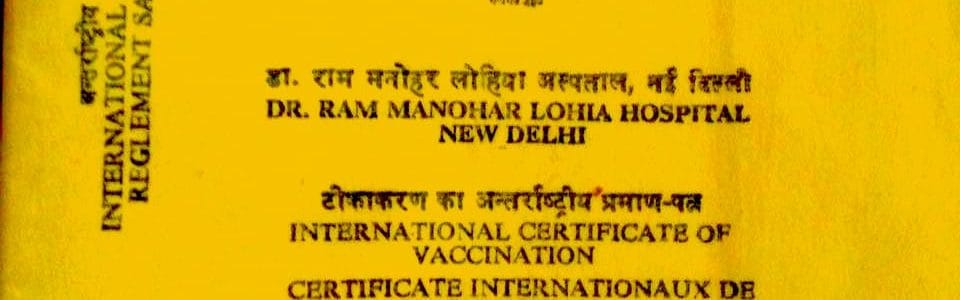
There is no yellow fever risk in Mozambique. In order to maintain this status, the country requires a yellow fever vaccination certificate from those travelling from the following countries (travel includes transit stays that surpass 12 hours): Angola, Argentina, Benin, Bolivia, Brazil, Burkina Faso, Burundi, Cameroon, Central African Republic, Chad, Colombia, Congo, Cote d’Ivoire, Democratic Republic of Congo, Ecuador, Equatorial Guinea, Ethiopia, French Guyana, Gabon, Gambia, Ghana, Guinea, Guinea Bissau, Kenya, Liberia, Mali, Mauritania, Nigeria, Panama, Paraguay, Peru, Senegal, Sierra Leone, South Sudan, Sudan, Suriname, Togo, Trinidad and Tobago, Uganda, and Venezuela.
Yellow Fever Vaccination Requirements for US Citizens
Health recommendation: There is no risk of yellow fever in Mozambique. The government of Mozambique requires proof of yellow fever vaccination only if you are arriving from a country with risk of yellow fever. This does not include the US.
More details at:
Yellow Fever Vaccination Requirements for Indian Citizens
There is no need to take the Yellow Fever vaccination if you are travelling directly from India to Namibia and back.
More details at:
- https://mohfw.gov.in/media/disease-alerts/yellow-fever
- https://www.chaloafrica.com/diary/yellow-fever-vaccination-requirements-from-india/
Choosing between countries?
If Mozambique is still one of several options, our guide to African safari destinations compares every country we work in side by side, including malaria status, the best months to visit, typical trip lengths and starting prices.
Mozambique health and vaccinations: common questions
Do I need a yellow fever certificate to enter Mozambique?
Only if you are arriving from a country with risk of yellow fever transmission, from age one, including airport transits over twelve hours. Mozambique is not itself a risk country. Under the International Health Regulations the yellow fever certificate has been valid for life since 11 July 2016, and that applies retrospectively to certificates issued before then. No country may demand a booster as a condition of entry. The certificate becomes valid on the tenth day after vaccination. Johannesburg and Addis Ababa routings are where this comes up.
Is there a malaria-free beach option in Mozambique?
No, and this is the question families actually ask, so it deserves a direct answer. Malaria risk is high throughout Mozambique, all year — including the Bazaruto and Quirimbas archipelagos and every coastal resort. If you need a genuinely low-risk Indian Ocean option we would point you to the Seychelles, which is malaria-free, or to combining a malaria-free South African reserve with a Cape coast stay. Prophylaxis for Mozambique is a travel-clinic decision; we do not administer or arrange it.
I am travelling from India — is there anything extra?
Yes. Mozambique is on India’s polio advisory list, so travellers departing India are required to have a dose of OPV or IPV at least four weeks before departure, regardless of age or prior vaccination status. The certificate is valid for a year and is issued free at any authorised yellow fever centre, which means it can be combined with a yellow fever appointment. The four-week lead time is the operational point — it belongs in the booking timeline, not discovered at the airport.
What else should I know about health in Mozambique?
Cyclone season runs roughly November to April and brings associated cholera risk. Schistosomiasis is present in fresh water. Rabies is worth discussing for longer trips. Medical facilities in the archipelagos are limited and evacuation planning matters more here than in South Africa — we treat comprehensive evacuation cover as essential on an island itinerary.
When should I travel?
April and May give the year’s best diving visibility with the cyclone risk past, and October to November puts you inside the whale shark window but ahead of the cyclone peak. January and February are the months to avoid — peak cyclone risk, poor visibility, and when island lodges most often close for maintenance. Our guide to the best time to visit Mozambique sets out the marine calendar month by month.