
Rwanda Health & Vaccinations
Malaria and Yellow Fever
Rwanda Health Information
Although the Rwandan healthcare system is rapidly improving, standards of medical education and practice often do not meet the standards of developed countries. Medical facilities are limited, though there are some hospitals supported by Western organizations throughout the country, with the best ones usually found in Kigali.
Make sure you have the latest safety tips from the establishment where you will be staying, and take common sense precautions as you would when travelling elsewhere. Avoid drinking tap water that has not been boiled or disinfected, eating produce that has not been peeled or cooked, and eating food from street vendors. Drink lots of water to avoid heat exhaustion or heat stroke, and make sure to always use insect repellent to avoid contracting insect-borne diseases.
As always, when travelling to any destination, please be sure you are up to date with all routine vaccinations. Commonly recommended vaccinations for travel to Africa include the following: Tetanus, Diphtheria, Polio, Typhoid, Hepatitis A, Hepatitis B, Yellow Fever, Rabies, and Meningitis. Visit your doctor several weeks before your trip to ensure that you have all the vaccines and medications you need.
Malaria Recommendations for Rwanda
There is a moderate risk of malaria throughout Rwanda. Therefore, it is recommended you consult your doctor to see whether you should take malaria prophylaxis before entering Rwanda. Which tablets you take, and when you start and stop them, depends entirely on the drug your doctor prescribes, so ask a travel clinic rather than following a general rule.
Other prevention methods such as using mosquito repellent and sleeping under a mosquito net are also recommended.
Yellow Fever Vaccination Requirements for Rwanda
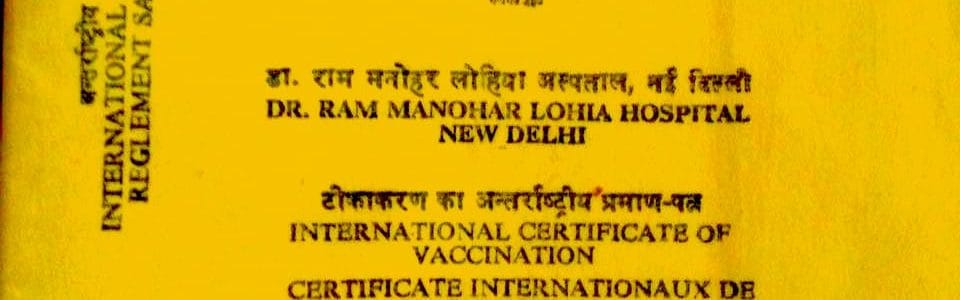
Rwanda requires a valid yellow fever certificate from all foreign visitors and citizens over 1 year of age travelling from an infected area or having been in transit through infected areas (>12 hours). This rule applies to travellers from the following countries: Yellow Fever endemic countries1: Angola, Argentina, Benin, Bolivia, Brazil, Burkina Faso, Burundi, Cameroon, Central African Republic, Chad, Colombia, Congo, Côte d’Ivoire, Democratic Republic of the Congo, Ecuador, Equatorial Guinea, Ethiopia, French Guyana, Gabon, Gambia, Ghana, Guinea, Guinea Bissau, Kenya, Liberia, Mali, Mauritania, Niger, Nigeria, Panama, Paraguay, Peru, Senegal, Sierra Leone, South Sudan, Sudan, Suriname, Togo, Trinidad and Tobago, Uganda, and Venezuela.
There is very low risk of contracting yellow fever in Rwanda. The World Health Organization, which once listed Rwanda as a yellow fever endemic country, now considers Rwanda to have low potential for exposure to the virus and has removed Rwanda from the watch list. If you are travelling from the U.S. or U.K., you do not need the yellow fever vaccination certificate, but citizens of other countries should check their respective re-entry requirements.
Choosing between countries?
If Rwanda is still one of several options, our guide to African safari destinations compares every country we work in side by side, including malaria status, the best months to visit, typical trip lengths and starting prices.
Rwanda health and vaccinations: common questions
Do I need a yellow fever certificate to enter Rwanda?
Only if you are arriving from a country with risk of yellow fever transmission, from age one. Rwanda has reverted from the universal requirement it once had, and the Rwanda Biomedical Centre states plainly that a certificate is not required of travellers coming from non-endemic countries. Under the International Health Regulations the yellow fever certificate has been valid for life since 11 July 2016, and that applies retrospectively to certificates issued before then. No country may demand a booster as a condition of entry. The certificate becomes valid on the tenth day after vaccination. Travellers who arrive from a risk country without one may be vaccinated on entry at their own cost, or held until the certificate becomes valid.
Will a Kigali–Entebbe or Kigali–Nairobi routing cause a problem?
It can, and this is where Rwanda’s rule actually bites. Rwanda is not itself a yellow fever risk country, but Uganda and Kenya are — so a client connecting through Entebbe or Nairobi arrives in Rwanda from a risk country and needs the certificate. Given how many East African itineraries route that way, we usually recommend the vaccination regardless.
Is there malaria in Rwanda?
Yes. Current UK guidance treats the whole country as high risk, including Kigali, and does not carve out an altitude exemption the way it does for Tanzania and Ethiopia. Volcanoes National Park sits between roughly 2,400 and 3,000 metres, where transmission is negligible in practice, but we would not describe it as malaria-free. Talk to a travel clinic about prophylaxis; we do not administer or arrange it.
What should I know about altitude and gorilla trekking?
Volcanoes National Park treks reach over 3,000 metres and Karisimbi tops 4,507 metres, so altitude is a real consideration on top of the exertion. As in Uganda, you must be free of respiratory illness to trek, because it is transmissible to gorillas — a cold means a forfeited permit, which is why insurance matters. Trek difficulty depends on which family you are allocated on the morning, not on the season.
What vaccinations are usually advised for Rwanda?
A clinic will typically go through hepatitis A, typhoid, tetanus, diphtheria, polio and MMR currency, and discuss rabies for longer stays. Schistosomiasis risk in Lake Kivu is generally considered low but not zero. Once that is arranged, the planning question worth your attention is permits — Rwanda’s gorilla permits are priced flat year-round, unlike Uganda’s, and availability rather than season is the binding constraint. We have been securing them for guests since 2013.