
Brazil Pantanal – In search of South America’s Big Five
A Customizable Trip to Brazil — 15 Days / 14 Nights
About this Safari
Brazil – By the Light of a New Moon
(And the Raindrops from the First Rains 😁)
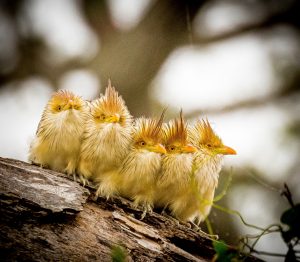
One of the simple pleasures of planning this trip has been simply rolling these wonderful new sounds around on my tongue – jaguar, tapir, capybara, rhea, jabiru, jaguarundi, tamandua… for those of us who are intimately familiar with African wildlife, this is like treading into a whole new world that is awash with new sounds, new smells & new sights – a world where our safari senses are being reborn and reshaped in brand new ways.
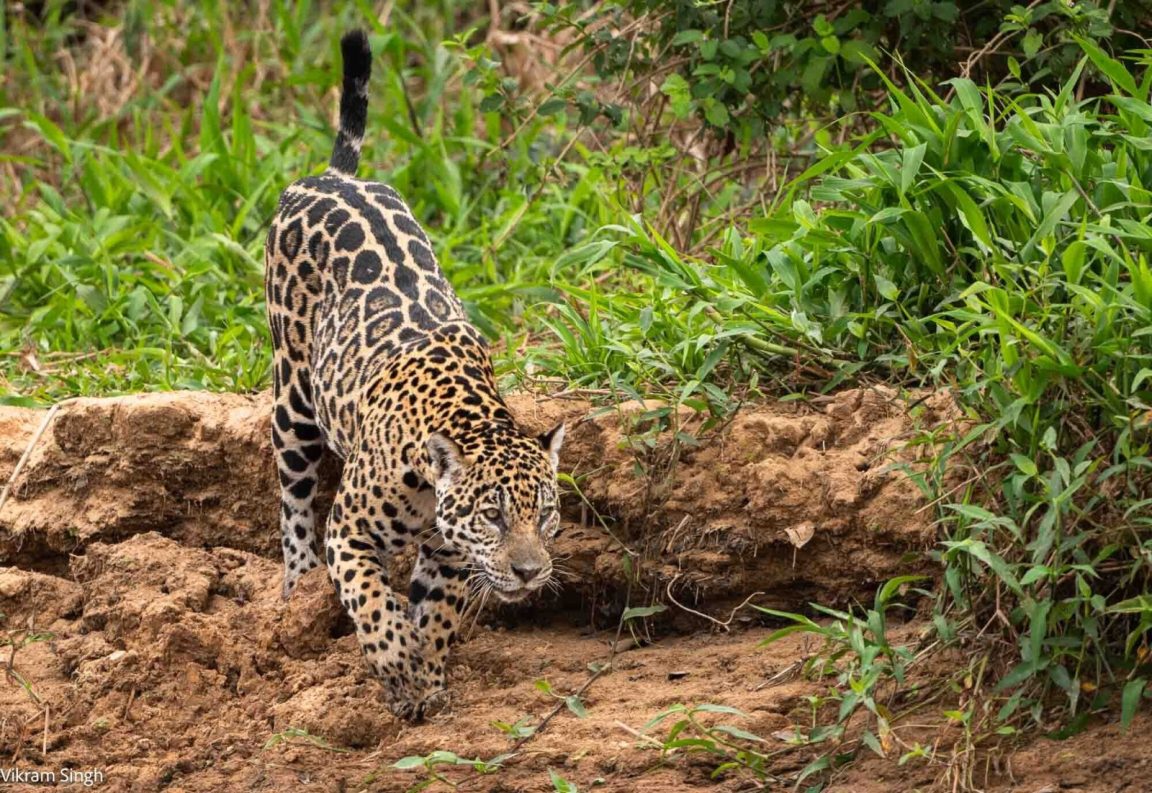
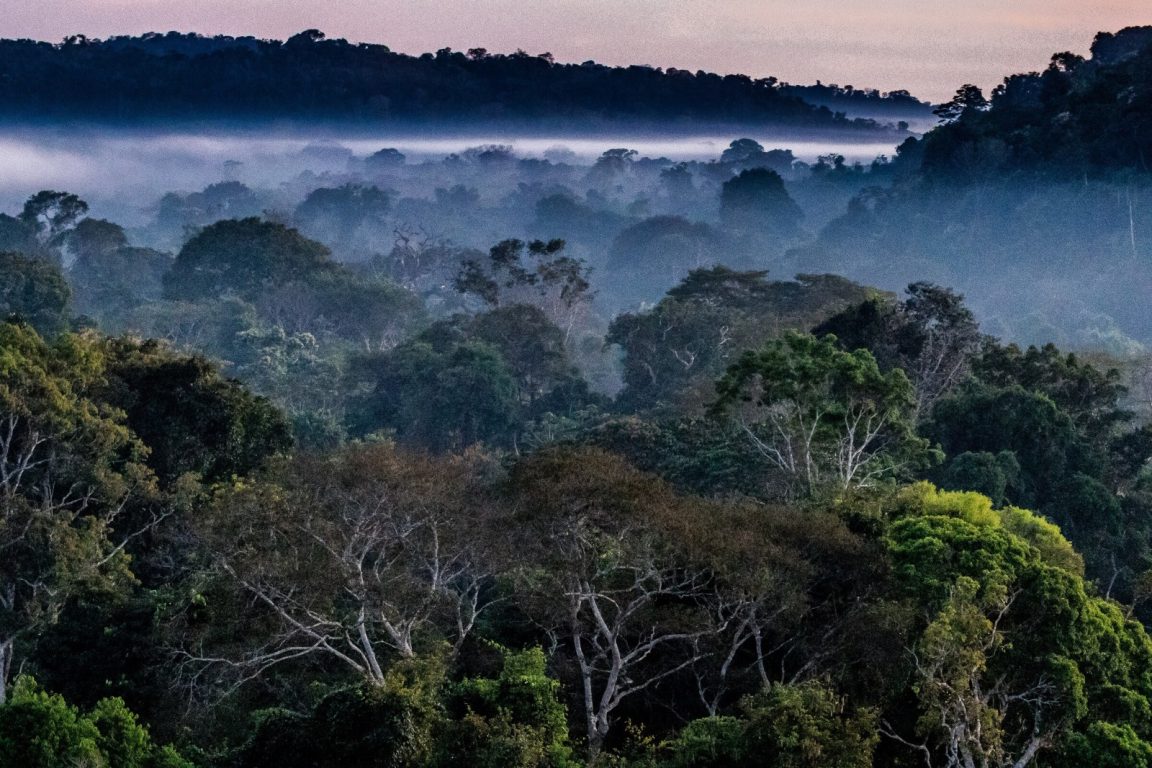
The Pantanal biome is a UNESCO World Heritage site. It is the largest wetland on our planet, covering an area of around 140.00 km2 in western Brazil. It is home to dozens of species of mammals, including the iconic jaguar that shares its riverine habitat with noisy giant otters. Howler monkeys and coatis live alongside birds of all colours and shapes. In places where water accumulates, caimans sunbathe side by side, feeding on piranhas and pacus. The Pantanal hosts an abundance of life and its biodiversity is staggering.
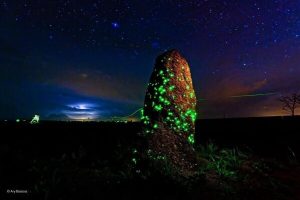
Our other park on this trip is yet another UNESCO World Heritage site. Emas National Park is home to waterfalls, mountains, maned wolves, rhea, tapirs, pampas cats and toucans, even the occasional jaguar. But our target here is something else altogether (well, in addition to the maned wolves!) – this trip has been timed to coincide with the glowing termite mounds of Emas, lit up like Christmas trees from the bioluminescent green light emitted by the larvae of the phyrophorus nyctophanus beetle. Terrestrial bioluminescence is an astonishing phenomenon, as rare as it is special – usually visible only when the first rains come and by the light of a new moon. Our trip meets these prerequisites, and now we must place ourselves in the hands of the Termite Gods of Emas!
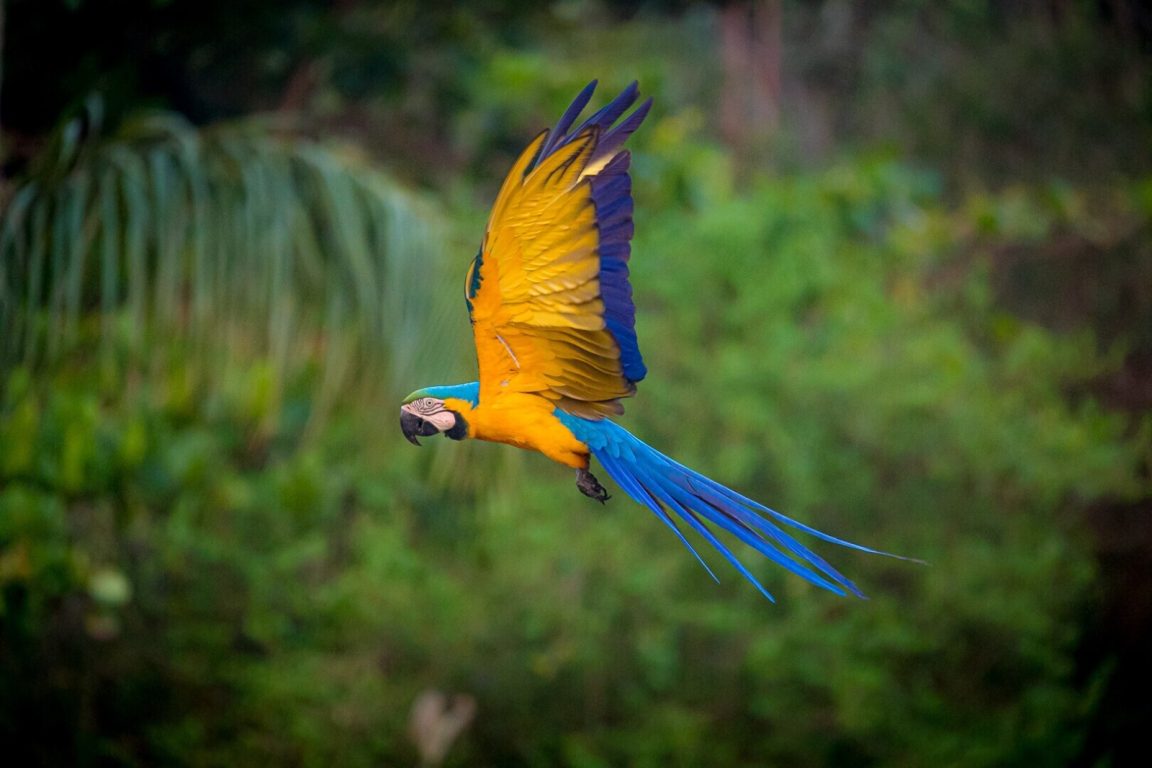
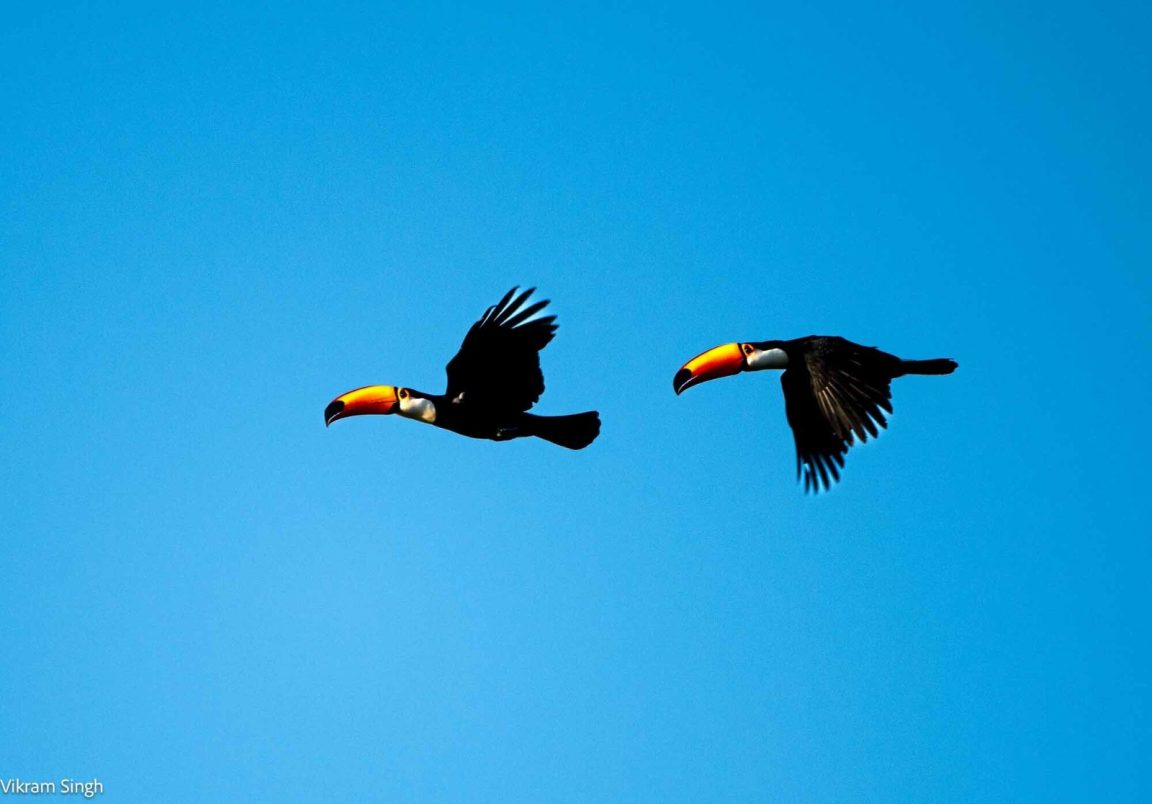
On this safari, we’ve divvied up our time between north and south Pantanal, focusing on the jaguar hotspot of Porto Jofre to start, and then easing into the more intimate environment of the family-run fazendas of the south. With a whole week spent between Fazenda Baia das Pedras and Barranco Alto, our small group of travelers will have the ranches and its wildlife completely to themselves, and our hope is to come away with a deeper understanding of the Pantanal’s unique wildlife – its giant armadillos and giant anteaters, its tapirs and jaguarundis, capybaras and giant otters, its macaws and toucans, and everything else in between!
Chalo South America is the new banner under which we’ll be running our safaris to South America. Still the same team, and the trip will still be administered and run by the same Chalo folks you know so well. But it’s a great feeling to be expanding our horizons, and our hope is to replicate in South America what we do in Africa – i.e. bring you expeditions with that very special Chalo twist. Flickering fireflies were a good start, don’t you agree?😁
Oi, bem vindos ao Brasil!
Stay wild,
Sangeeta
Photo credits: Vikram Singh
Rates
Day by Day Itinerary
Day 1: Hotel Deville Prime Cuiaba, Cuiabá
Arrival at Cuiaba Airport, where you´ll be welcomed by your driver. Transfer to Hotel Deville Cuiaba. Overnight.
Day 2-4: Hotel Pantanal Norte, Porto Joffre
After an early breakfast pick-up from your hotel, you will be transferred to Hotel Pantanal Norte. From Cuiabá to Poconé the transfer will be about 2 hours (100 km) on a paved road plus 4 hours on the …
Boat trips provide an excellent opportunity to see jaguars and giant river otters up-close. This is often a highlight of visitors’ trips to Brazil. In the dry season, we frequently see …
Day 5: Hotel Deville Prime Cuiaba, Cuiabá
After breakfast, there will be a last morning boat excursion followed by lunch.
In the early afternoon transfer back to Cuiaba, where you will…
Day 7 – 8: Pousado Do Gloria, Cerrado Grasslands
After breakfast, transfer to Emas NP, a drive that will take the whole day.
Morning and afternoon safari drives into Emas NP in search of maned wolves, giant anteaters and other wildlife frequently spotted in this habitat…
Day 9-10: Grand Park Hotel, Cerrado Grasslands
After breakfast transfer to Fazenda Baia das Pedras, 300 km from Campo Grande. The first 175 km will on paved roads and the last 135 km entering the Pantanal will be on bumpy dirt roads. Along the way, chances of seeing lots of wildlife are high, and we hope to see…
Day 11-13: Fazenda Baia Das Pedras, South Pantanal
After breakfast ground transfer (80 km) in 4×4 to Fazenda Barranco Alto, with underway stops for photo shooting and…
Day 14-15: Fazenda Barranco Alto , South Pantanal
After breakfast air transfer back to Campo Grande Airport.
Flying low at only 600 feet over the wetlands will give you a good overview of the landscape: forested islands, lagoons, lakes, oxbows, channels and the scattered ranch steads built on the highest grounds to…
This is a condensed overview of the journey.
Request the full itineraryInclusions & Notes
Notes
Notes:
• The internal flights are not direct flights and will most likely have stops at other airstrips enroute. There may be changes to arrival and departure times. A maximum baggage allowance of 15kgs per person (including hand baggage) will be strictly enforced for the safety of other passengers on all shared charters.
• Do ensure that you have checked passport validity and the visa and vaccination requirements for the countries you are travelling to.
• Internet and phone coverage is not guaranteed.
• Domestic flights are subject to availability
Details of Rates
This cost includes:
• Overnights in rooms with private bathroom and air conditioning;
• Ground transfers as mentioned in the program;
• Private air transfer Barranco Alto – Campo Grande;
• Meals as mentioned in itinerary (B=breakfast / L=lunch / D=dinner, excl. drinks*);
• Excursions as mentioned in itinerary;
• English speaking guide during the excursions mentioned;
*During the boat excursions in the North Pantanal bottled water is included and during your stay at Fazenda Barranco Alto & Fazenda Baia Pedras filtered water, soft drinks and beer are included.
This cost does not include:
• Does NOT include flights ex/to Cuiaba, Brazil.
• Visa fees, vaccinations, medical and travel insurance;
• Any accommodation, activities, domestic flights, transfers or meals not mentioned above; (the domestic flights, marked in Blue in the itinerary above, are included in the cost.
• Shopping and other items of a personal nature;
• Porterage, tipping and gratuity to camp guide and staff;
Map
Best Months to Visit
Gallery

Enquire About This Safari
Fill in your details and our safari specialists will get back to you within 24 hours.
Questions about this Pantanal trip
Which parts of Brazil does this trip cover?
Fifteen days and fourteen nights, split between the north and south Pantanal plus Emas National Park. You start at the jaguar hotspot of Porto Jofre, reached from Cuiabá by around two hours of paved road to Poconé followed by four more, then ease into the family-run fazendas of the south, with a full week between Fazenda Baia das Pedras and Barranco Alto.
What wildlife might we see?
The Pantanal is the largest wetland on the planet and a UNESCO World Heritage site. Boat trips are often the highlight, bringing close views of jaguar and giant river otters. Elsewhere look for capybara, tapir, giant armadillo, giant anteater, jaguarundi, howler monkeys, coatis, caimans, macaws and toucans. Emas adds maned wolves, rhea, pampas cats and the occasional jaguar.
What are the glowing termite mounds at Emas?
During certain conditions the termite mounds of Emas light up with green bioluminescence produced by the larvae of the Pyrophorus nyctophanus beetle. It is a rare phenomenon, usually visible only when the first rains arrive and by the light of a new moon. This trip has been timed to meet both of those conditions.
What does the trip cost and when does it run?
Rates start from US$11,700 per person for the fifteen-day journey, staying in hotels and lodges. October is the season for this itinerary, with the programme beginning in Cuiabá in mid-October and the departure planned around the new moon and the first rains at Emas.
Is a Brazil trip still run by the Chalo team?
Yes. Chalo South America is the banner under which we run our South American journeys, but it is the same team and the trip is administered and run by the same Chalo people you already know. The intention is to bring the same style of small-group expedition we run in Africa to this part of the world.