
India Red Panda Safari
A Customizable Trip to India — 9 Days / 8 Nights
Highlights
The Misty Mountains of the Red Panda & Sipping Tea in Darjeeling
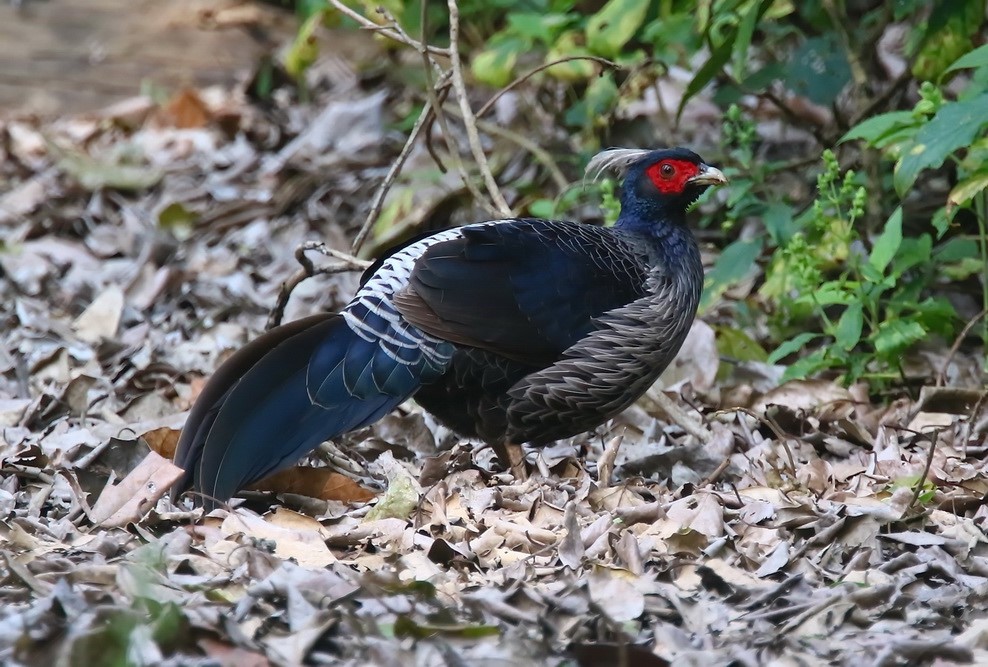
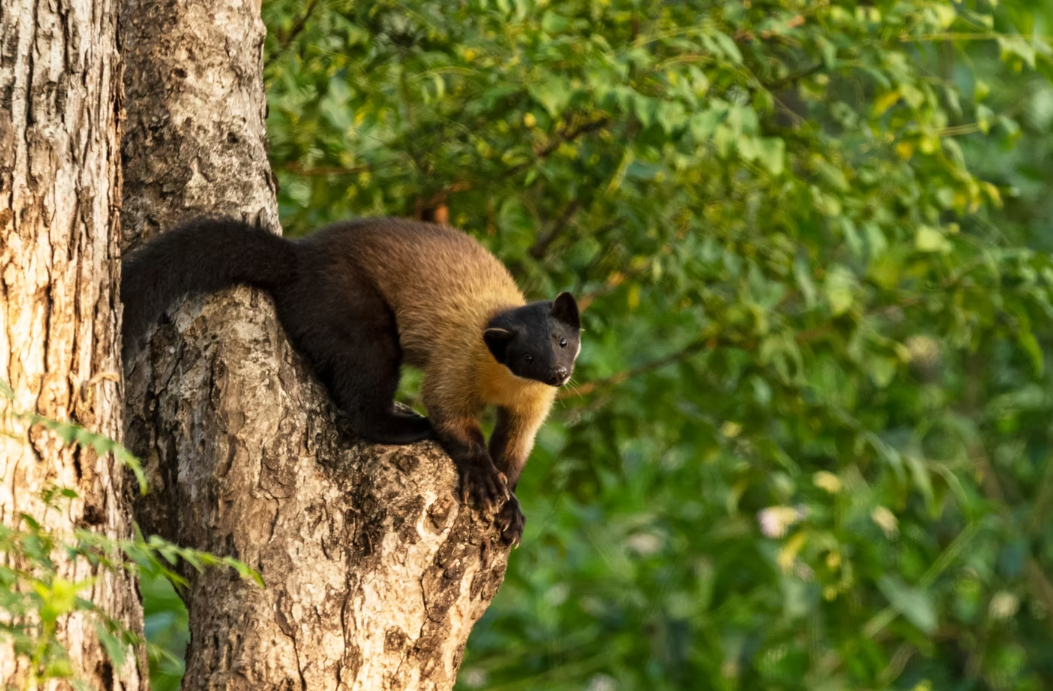
The last wildlife leg of this epic trip will take us on a Red Panda quest to the eastern part of the great Himalayan Range, where in addition to this unique Aluridae, we also hope to see yellow-throated marten, Blood Pheasant, Kalij Pheasant, Satyr Tragopan, and on clear days, four of the world’s five highest peaks, including Everest, Lhotse, Makalu and Kangchenjunga.
About this Safari
This is a sample itinerary – for inspiration only
The actual trips are either full/or already been conducted
Eastern India Natural & Cultural Highlights Red Panda 2026
The Red Panda Expedition takes us to the Singalila National Park, one of the most pristine Himalayan forests in India, situated on the Singalila. Ridge at altitudes ranging from 7,000 to 12,000 feet.
Singalila is one of the most reliable sites to see the Red Panda in the wild. Apart from the Panda, other mammals reported here are the Himalayan Black Bear, Leopard, Leopard Cat, Serow, Barking Deer, Yellow-throated Marten and Wild Boar.
This area is a birding hotspot, with more than 300 species reported here. Notable ones are the Blood Pheasant, Satyr Tragopan, Kalij Pheasant, Brown and Fulvous Parrotbills, Rufous-vented Tit, and Old-World babblers like the Fire-tailed Myzornis and the Golden-breasted Fulvetta, Rosefinchs, Bullfinches, Wran Babblers, Laughingthrushes, Nuthatches, Treecreepers, Yuhinas, Minivets, Partriges and many more.
The park is also well known for its stunning and rugged Eastern Himalayan landscape, and on clear days, both Mount Everest and Kangchenjunga can be seen.
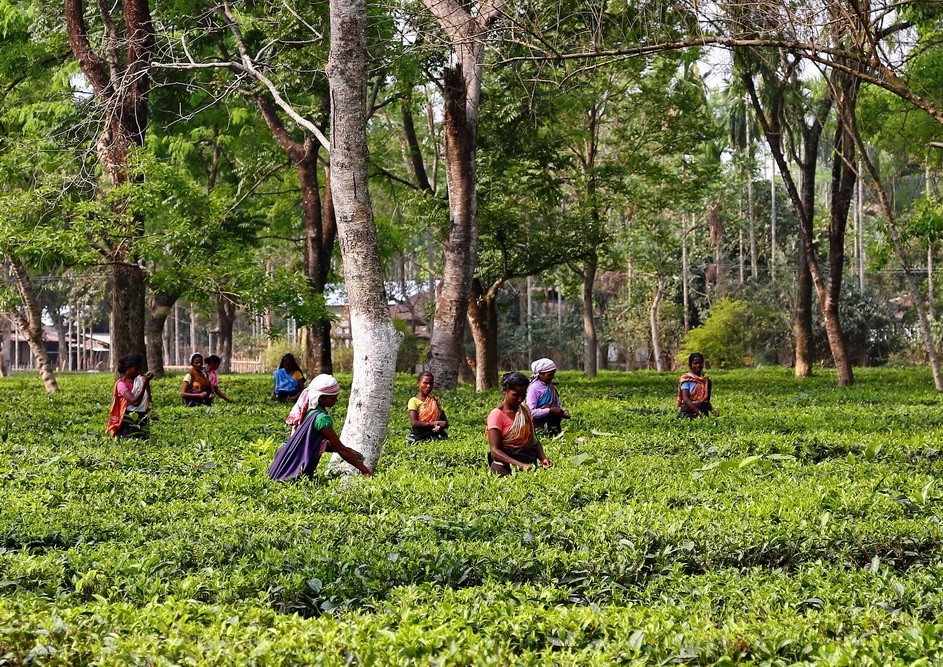
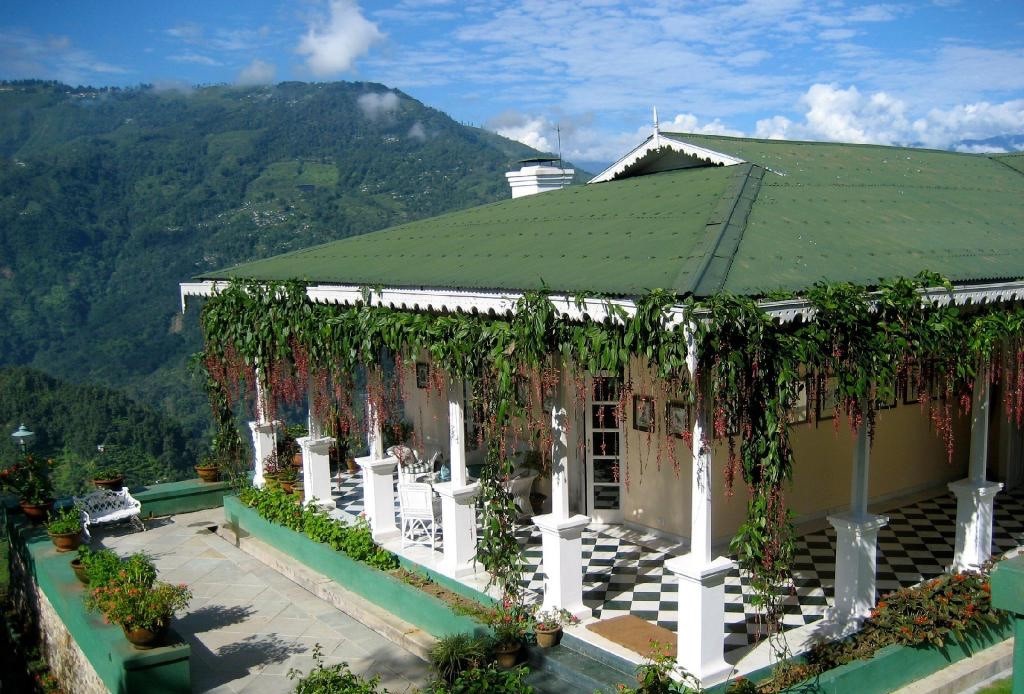
We also visit Darjeeling, a charming and now bustling hill station known for its tea gardens and colonial heritage. The town offers panoramic views of Kangchenjunga on a clear day. The Darjeeling Himalayan Railway crisscrosses’ through this vibrant town and was set up by the British.
SANGEETA SAHAYA

Snow Leopards, Tigers, Red Pandas & More
You’ve heard that old adage “Once Bitten Twice Shy?” Well, that’s not our motto at all.
Anytime we get bitten (by the wildlife bug) that only makes us Twice As Curious, and ever more eager to explore our natural world.
This is the spirit in which we have designed this unique 3-pronged safari that will hopefully bring us into proximity with several of the most elusive animals of the Indian sub-continent.
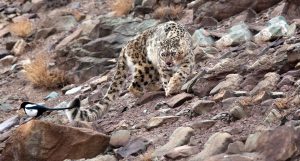
Section 1: The Mountain Kingdom of the Snow Leopard In the Himalayas, our safari will take place on the other-worldly Ladakh Plateau, and we will focus our efforts on the Snow Leopard, Pallas Cat and the Siberian Lynx. With some luck, we’ll also see other Himalayan specialties like the Tibetan Wolf, Blue Sheep, Ladakh Urial, Red Fox, Mountain Weasel, and Large-eared Pika.
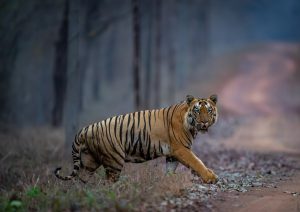
Section 2: The Jungle Kingdom of the Bengal Tiger In the dappled jungles of Central India, we’ll shift our focus onto the Royal Bengal Tiger, whilst also keeping a sharp eye out for the Sloth Bear, Indian Wild Dogs (dholes) and Leopards, Jungle Cat, Golden Jackal, Striped Hyena all manner of herbivores, including the majestic (and enormous) Indian Gaur.
Section 3: The Misty Mountains of the Red Panda & Sipping Tea in Darjeeling The last wildlife leg of this epic trip will take us on a Red Panda quest to the eastern part of the great Himalayan Range, where in addition to this unique Aluridae, we also hope to see yellow-throated marten, Blood Pheasant, Kalij Pheasant, Satyr Tragopan, and on clear days, four of the world’s five highest peaks, including Everest, Lhotse, Makalu and Kangchenjunga. This trip has been designed in such a way that you can join us for any of Sections 1, 2 and 3 – or do the whole trifecta, if you have the time. Each leg has been priced separately.
I can’t wait to go on this one myself! Join me if you can. – Sangeeta
Rates –
- The 09 day / 08 night Eastern India Expedition costs USD 6580 per person.
- Costs are based on five participants sharing a twin or double room. One single room available.
Rates
Day by Day Itinerary
Day 01: Fly Delhi to Bagdogra, drive to Singalila National Park
In time transfer to airport to board the flight for Bagdogra. Fly Delhi to Bagdogra and drive to…
Day 02 to 04: Singalila National Park (Red Panda Exploration)
Over the next three days, we will explore the nature trails in search of Pandas, birds and mammals. The Yellow-throated Martins are a…
Day 05: Singalila to Darjeeling
Today, we leave after breakfast to Darjeeling, which will take approximately 2 hours. We arrive in Darjeeling and…
Day 06 & 07: Darjeeling
We have two days to explore Darjeeling. We wake up early and drive to Tiger Hill (approx. 11 km) to witness sunrise over…
Day 08: Darjeeling to Bagdogra & fly Delhi
After leisurely breakfast we drive down to Bagdogra airport…
Day 09: Departure
In time transfer to the international airport to board the flight for onward destination…
This is a condensed overview of the journey.
Request the full itineraryMap
Best Months to Visit
Gallery

Enquire About This Safari
Fill in your details and our safari specialists will get back to you within 24 hours.
Questions about the red panda expedition
Where do you look for red pandas?
In Singalila National Park, one of the most pristine Himalayan forests in India, set along the Singalila Ridge at altitudes between roughly 7,000 and 12,000 feet. It is among the more reliable places in the wild to find red panda. Other mammals recorded there include Himalayan black bear, leopard, leopard cat, serow, barking deer, yellow-throated marten and wild boar.
Is it worthwhile for birders?
Very much so. More than 300 bird species have been recorded in the area. Among the ones people hope for are blood pheasant, satyr tragopan and kalij pheasant, brown and fulvous parrotbills, rufous-vented tit, and Old World babblers such as the fire-tailed myzornis and golden-breasted fulvetta, alongside rosefinches, bullfinches, laughingthrushes, nuthatches, treecreepers, yuhinas and minivets.
Will we get views of the big Himalayan peaks?
On clear days, yes. From within the park both Everest and Kangchenjunga can be visible, and the wider trip aims for views of four of the world's five highest peaks, including Lhotse and Makalu. Darjeeling also offers panoramic views of Kangchenjunga when the weather cooperates, though nothing about mountain views can be promised.
Is there anything beyond wildlife on the itinerary?
You also spend time in Darjeeling, a hill station known for its tea gardens and colonial heritage. The Darjeeling Himalayan Railway, established by the British, still crisscrosses the town. Combined with the rugged eastern Himalayan landscape of Singalila, it makes the trip as much a cultural and scenic journey as a wildlife one.
How is the price worked out?
The nine-day, eight-night eastern India expedition is US$6,580 per person, based on five participants sharing twin or double rooms, with limited single room availability. March is the prime month. This leg can also be taken as one section of a wider Indian journey alongside the Ladakh snow leopard and central India tiger trips, each priced separately.