
Tanzania Health & Vaccinations
Malaria and Yellow Fever
Tanzania Health Information
Should medical care be required during your travels, medical facilities are available in most large towns. Malaria is a particular issue in Tanzania, but so long as you are careful, it is unlikely that you will contract it during your travels. Make sure you have the latest safety tips from the establishment where you will be staying, and take common sense precautions as you would when travelling elsewhere.
As always, when travelling to any destination, please be sure you are up to date with all routine vaccinations. Commonly recommended vaccinations for travel to Africa include the following: Tetanus, Diphtheria, Polio, Typhoid, Hepatitis A, Hepatitis B, Yellow Fever, Rabies, and Meningitis. Visit your doctor several weeks before your trip to ensure that you have all the vaccines and medications you need.
Malaria Recommendations for Tanzania
There is a moderate to high risk of malaria throughout Tanzania, though less so in Dar es Salaam and high-altitude areas, and practically not at all in Zanzibar. Risk of malaria transmission in Tanzania is higher between the months of November and May. Therefore, it is recommended you consult your doctor to obtain malaria prophylaxis before entering Tanzania. Which tablets you take, and when you start and stop them, depends entirely on the drug your doctor prescribes — the schedules differ significantly between them, so ask a travel clinic rather than following a general rule.
Other prevention methods such as using mosquito repellent and sleeping under a mosquito net are also recommended.
Yellow Fever Vaccination Requirements for Tanzania
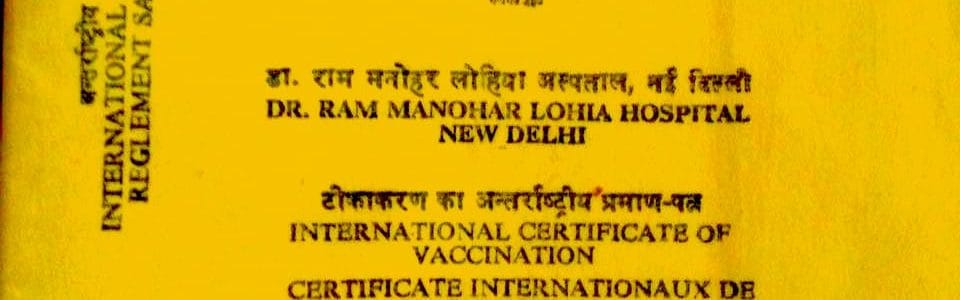
Tanzania requires a valid yellow fever certificate from all foreign visitors and citizens over 1 year of age travelling from an infected area or having been in transit through infected areas (>12 hours) in the last 6 days. This rule applies to travellers from the following countries: Angola, Argentina, Benin, Bolivia, Brazil, Burkina Faso, Burundi, Cameroon, Central African Republic, Chad, Colombia, Congo, Côte dʼIvoire, Democratic Republic of the Congo, Ecuador, Equatorial Guinea, Ethiopia, French Guiana, Gabon, Gambia, Ghana, Guinea, Guinea-Bissau, Guyana, Kenya, Liberia, Mali, Mauritania, Niger, Nigeria, Panama, Paraguay, Peru, Rwanda, Senegal, Sierra Leone, Sudan, South Sudan, Suriname, Togo, Trinidad (NOT Tobago), Uganda, and Venezuela.
There is low risk of contracting yellow fever in Tanzania. If you are travelling directly from USA and are not transiting through a country with the risk of yellow fever, you do not need the yellow fever vaccination certificate.
Note for travellers from India: Travellers from India directly visiting Tanzania do not need to take the Yellow Fever Vaccination. See this link for more details: Yellow Fever Vaccination Requirements from India
Choosing between countries?
If Tanzania is still one of several options, our guide to African safari destinations compares every country we work in side by side, including malaria status, the best months to visit, typical trip lengths and starting prices.
Tanzania health and vaccinations: common questions
Do I need a yellow fever certificate to enter Tanzania?
Only if you are arriving from a country with risk of yellow fever transmission, from age one. Tanzania does not require it of all arrivals. Under the International Health Regulations the yellow fever certificate has been valid for life since 11 July 2016, and that applies retrospectively to certificates issued before then. No country may demand a booster as a condition of entry. The certificate becomes valid on the tenth day after vaccination.
Is Tanzania a yellow fever risk country?
No — and this is the most commonly mis-stated fact in the region. Tanzania is not on the World Health Organization’s list of countries with risk of transmission, so a Tanzania safari on its own creates no certificate requirement for your onward destination or for returning home. CDC’s mapping is broader and shows low-potential-for-exposure zones, so your own clinic may take a different view, but no destination government we checked treats Tanzania as a risk origin. The catch is routing: if you arrive in Tanzania from Kenya, or connect through Nairobi or Addis Ababa, you will need the certificate.
Is there malaria in Tanzania, and is Zanzibar malaria-free?
There is malaria risk in all areas below 1,800 metres — the Serengeti, Tarangire, Lake Manyara, Nyerere, Ruaha and the coast. Above 1,800 metres there is no risk, which covers the Ngorongoro crater rim and the upper slopes of Kilimanjaro and Meru. Zanzibar carries risk and is not malaria-free, contrary to a lot of marketing. Which prophylaxis to take is a travel-clinic decision; we do not administer or arrange it.
What should I know about climbing Kilimanjaro?
Altitude illness is close to universal rather than exceptional — studies put acute mountain sickness at 75 to 77 per cent of climbers on four- and five-day ascents. The single most effective thing you can do is buy more days. We routinely steer guests towards longer routes for exactly this reason, and it is worth building into the budget from the start.
What else should I know about health in Tanzania?
Sleeping sickness clusters have been documented in travellers to Tanzanian national parks, historically the Serengeti and Tarangire — cover up in tsetse country. Schistosomiasis is present in Lake Victoria and Lake Tanganyika. Dengue occurs on the coast and in Zanzibar. A clinic will typically discuss hepatitis A, typhoid, tetanus, diphtheria, polio and MMR currency, and pre-exposure rabies for remote southern-circuit trips. With that settled, the question that actually shapes the trip is timing — see our guide to the best time to visit Tanzania for where the migration is in each month.