

Regardless of my culture or nationality, I declare my identity null and void but only for a short period of time. Not because my culture is not rich enough or not worth being part of. If that was your first thought then you are gravely mistaken. I am simply an explorer who believes in experience. “To learn,one must become “ that is my motto And today I adopt the name Tumelo; the embodiment of faith in the Tswana language of Botswana. I am now one of the Batswana, a Motswana!
My journey begins in traditional Batswana society. A society known for order; organised and stratified. Centred on agricultural lifestyles and centralised governance.
My bare feet are embraced by the warmth of the hot sand as I confidently walk my way to the kgotla,the tree in the centre provides shade from the scorching morning sun. The circular fence around it, made of thick wooden planks adds a minimalistic touch of beauty.
This is the cornerstone of Tswana democracy and governance. Led by our chief ,the kgosi,who finalises all decisions made in this traditional court room. The kgotla serves as both a forum and customary court for communal decision making, a traditional public assembly that tackles a wide spectrum of issues from the fate of a thief who stole a neighbour’s chickens to when to harvest and what to hunt that day.
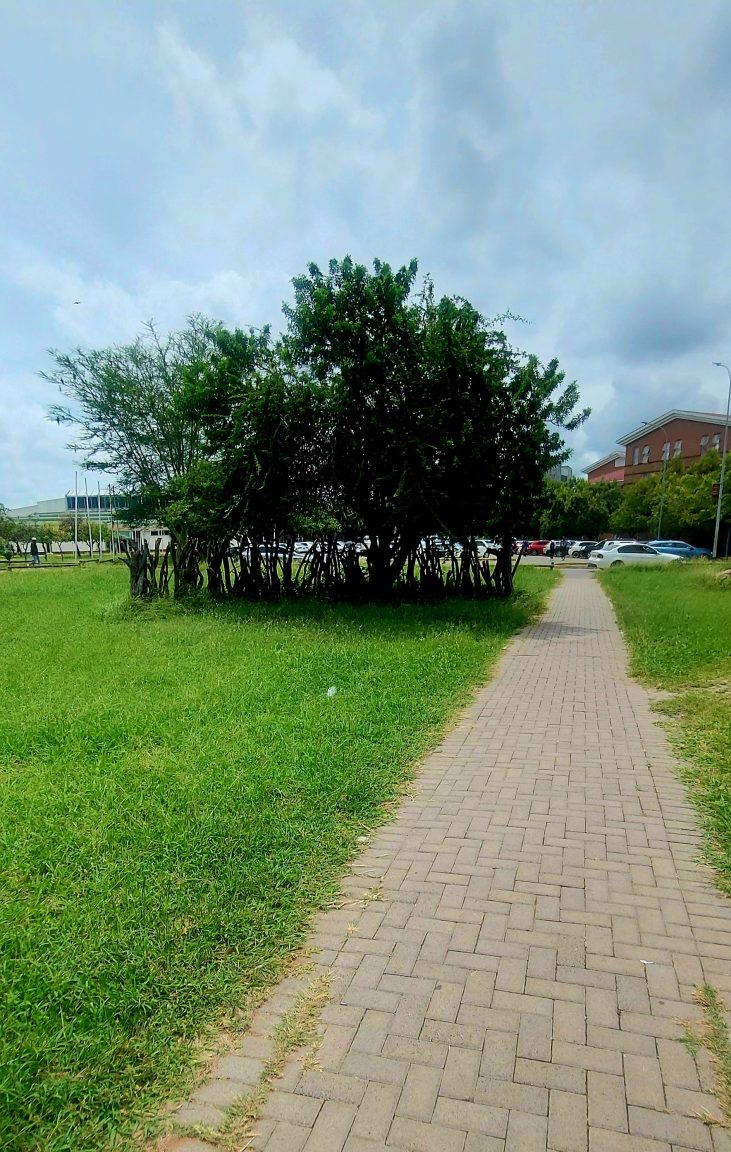
Everyone is free to speak in this space regardless of their opinions or social standing (Mmualebe o a bo a bua la gagwe – “even the one who speaks badly must be allowed to speak”).
I take my seat on the ground just before the space gets crowded and I listen intently as the hunting party decides on what strategy to use in order to kill a troublesome lion that has long been terrorising the village. It has killed more than 20 cattle in the past few weeks!
After the short procession, I head back to my Dikgotla, one of the many wards that divide villages into organised and administrative social units. It consists of lineally related families and their dependents and is overseen by a head man. But in my case, I live alone.
A couple of months ago the kgosi fell sick and passed away. Shortly after, his son took over and begun to rule as soon as the burial procession was over. In Batswana society descent, succession and inheritance follow the male lineage. This is known as patrilineal kinship.
Belonging to a specific totem or clan dictates one’s social identity and marriage alliances.
Bontle, my neighbour invited me over for lunch. She had long noticed that I lived alone and having lived in the Batswana society all her life she felt obliged to take care of my needs.
It is an unspoken teaching known among all Batswana people. It teaches mutual respect (tlotlo) for everyone regardless of their age, status, gender or wealth but it especially emphasises on respect for elders. Botho teaches compassion and empathy for others (amanang). You are to show genuine concern for the people around you and their well-being, sharing what you have and helping those who have been hit by misfortune.
The moment I step into Bontle’s house I notice how large her family actually is but before I greet the elders of the family, she pulls me aside and tells me that she is from the Bakalanga tribe of North Botswana and the youth do not greet their elders of the family the way others normally do. Greetings are strongly affected by age differences, the youth always initiate the greeting and must always address elders in plural and only use singular when addressing peers. It is inappropriate to ask an elder “how are you “ as it would forcefully compel them to reveal unwanted personal information such as family fights and illnesses.
Instead the youth must wait for the elder to ask how they are first and if they wish to they too will inform the youth of their well-being.
Greetings are done when the youth stretches his palms towards the elder without saying a word and the elder lovingly grabs them and kisses them and asks “ how are you “ This gives permission to the youth to speak and answer. This -the outstretched palms, the elder’s kiss on the hands,the patience of waiting to be asked-is botho in practice, long before anyone taught me the word.
While properly greeting the elders something caught my attention. Bontle lived with mother, father, aunts, uncles and grandparents as well as cousins from both sides of her family.
I ask Bontle why this is so and she explains that this is how every Batswana family lives, with a central cattle kraal outside their homestead for cattle are a symbol of wealth in Botswana. The younger members of the family share duties and labour amongst themselves ensuring that the farmland, herding of the livestock as well as tending to the house chores is all taken care of.
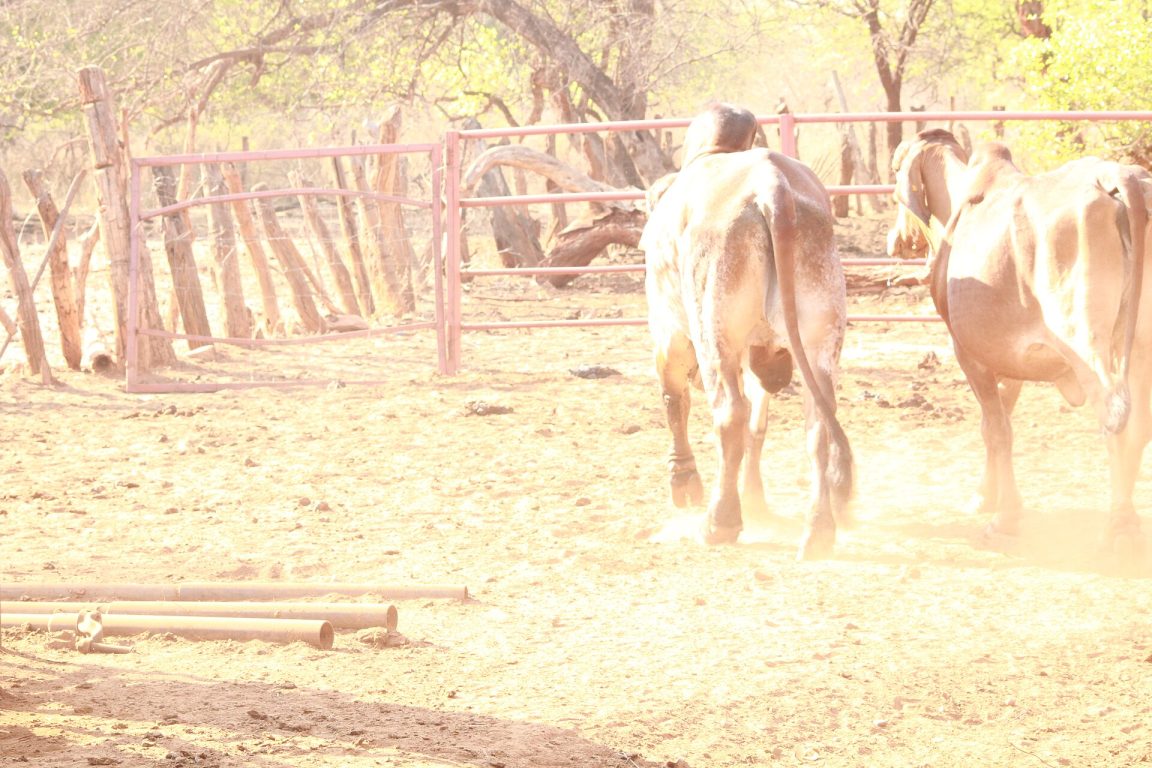
A strong emphasis is placed on the custom of sharing (often referenced in the proverb Bana ba motho ba kgaogana tlhogwana ya ntsi – “siblings share even the head of a fly”)
As my perspective shifts to present day Botswana, I meet Bontle again but she’s different from when I last saw her, more refined and modern. The homestead I remember is gone. She no longer lives with all her close relatives. She now lives alone just like I did but she doesn’t seem as shaken by it as she did before.
The Bontle I meet years later has traded the crowded homestead for a flat of her own -and she isn’t shaken by the quiet the way she once was.
She explains that less people are getting married now in order to focus on their careers and financial freedom. They would rather delay formal marriage in order to treat financial stability as a priority
Cohabitation has also become a normal occurrence even outside the constraints of marriage.
Female headed households or zero couple living arrangements are also a notable daily custom as more women are taking up independent roles and with the rise in formal female employment, women are becoming more financially free allowing them to take care of their children with little to no assistance from a male counterpart.
Looking at both the traditional and modern aspects of the social structure and family life of Botswana, I have come to appreciate both the rich culture surrounding the organisation of the kgotla and the warmth of botho as well as the rise of independence and individuality among women.
I step out of Tumelo’s name the way I stepped into it – but the sand is still warm, the kgotla’s tree is still standing and somewhere Bontle is greeting an elder with open silent palms.
About the Author

Grace is a Zambian writer and poet specializing in cultural storytelling across Southern Africa. Currently pursuing her studies in India through the Edoofa Scholarship Programme, she brings a reflective, deeply observant voice to her travel writing, shaped by years of turning everyday moments into poetry. Her work moves between the descriptive and the personal, finding meaning in landscapes the way others find it in verse. Grace writes with quiet determination and an eye for detail, helping readers feel a destination’s spirit, not just see its scenery, through prose that lingers a little longer than expected.
Cover image: A traditional Tswana rondavel homestead. Photo: U.S. Peace Corps, public domain, via Wikimedia Commons.