

Just after dusk on Lake Tanganyika, the first lanterns begin to glow. One by one, small wooden boats drift into the darkness until the lake seems scattered with floating stars. Beneath each light, thousands of tiny kapenta rise instinctively toward the shimmering surface, where fishermen wait with fine-meshed nets perfected through generations of patient skill. By dawn, the catch will be spread across wooden racks to dry beneath the African sun, beginning a journey that will carry these silver fish from remote lakeshores to dinner tables across the country.
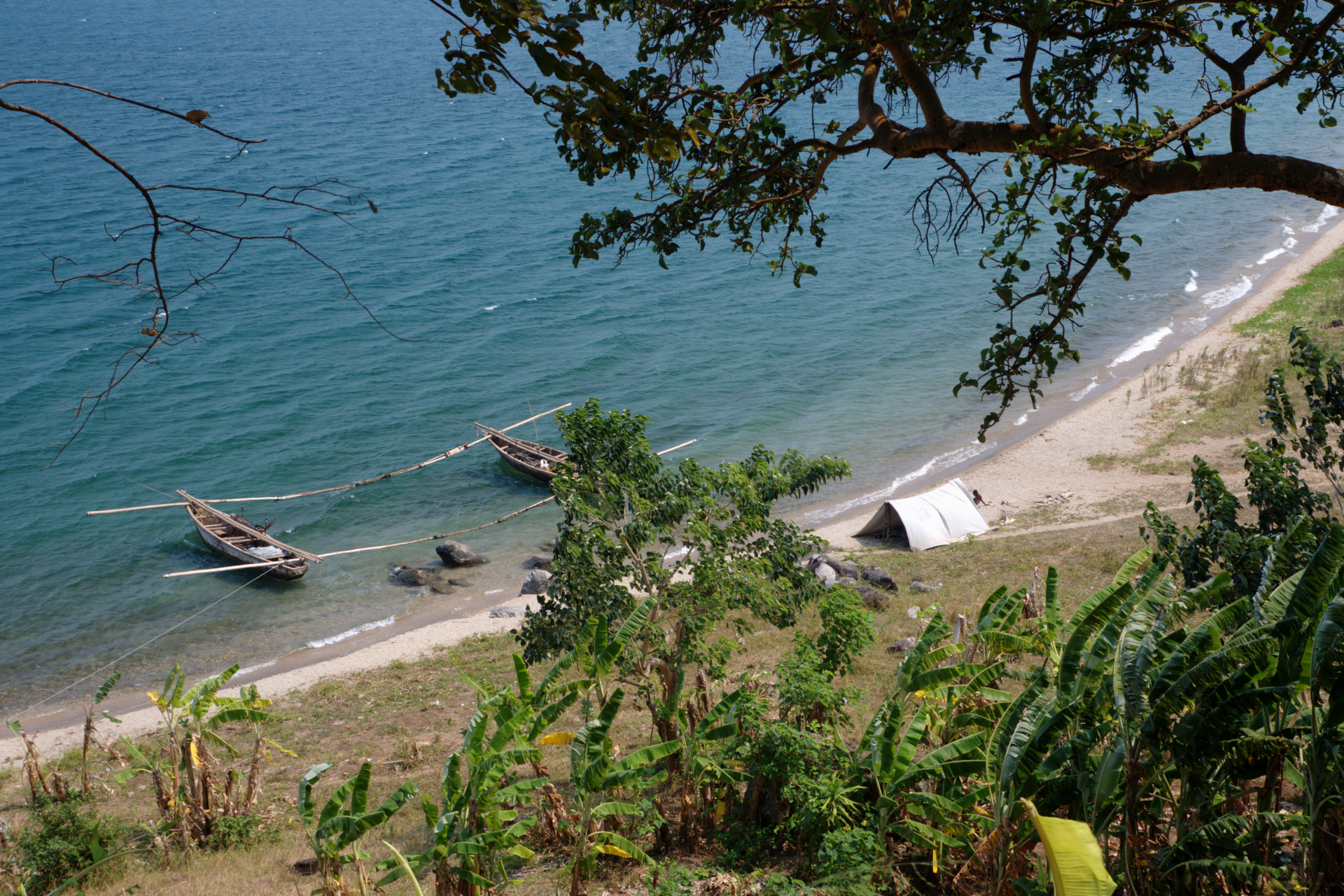
It is an extraordinary scene that reveals something many visitors never expect. Zambia has no coastline at all, yet the Zambezi, the Kafue, the Luangwa, the Barotse Floodplain, and ancient lakes such as Tanganyika, Bangweulu, Mweru, and Kariba have made it one of Africa’s great freshwater food cultures. Rather than relying heavily on imported ingredients or colonial culinary traditions, Zambia’s cuisine remains deeply rooted in indigenous knowledge, seasonal harvests, and the traditions of more than seventy ethnic communities whose relationship with the land has shaped every meal.
Every journey through Zambian cuisine eventually arrives at the same place: a steaming mound of nshima. Similar staples appear across southern Africa; sadza in Zimbabwe, pap in South Africa, and posho in Uganda; but Zambia has made the dish unmistakably its own. Prepared from maize or cassava flour, nshima changes from region to region. In Southern and Central Zambia, finely milled white maize produces the smooth, firm texture favoured by the Tonga and Lenje peoples. Further north, cassava flour is often mixed with maize or replaces it entirely, creating a softer version that reflects the region’s long history of cassava cultivation. In parts of Luapula Province, finger millet and sorghum still appear during ceremonial occasions, preserving grains that sustained communities long before maize became dominant.
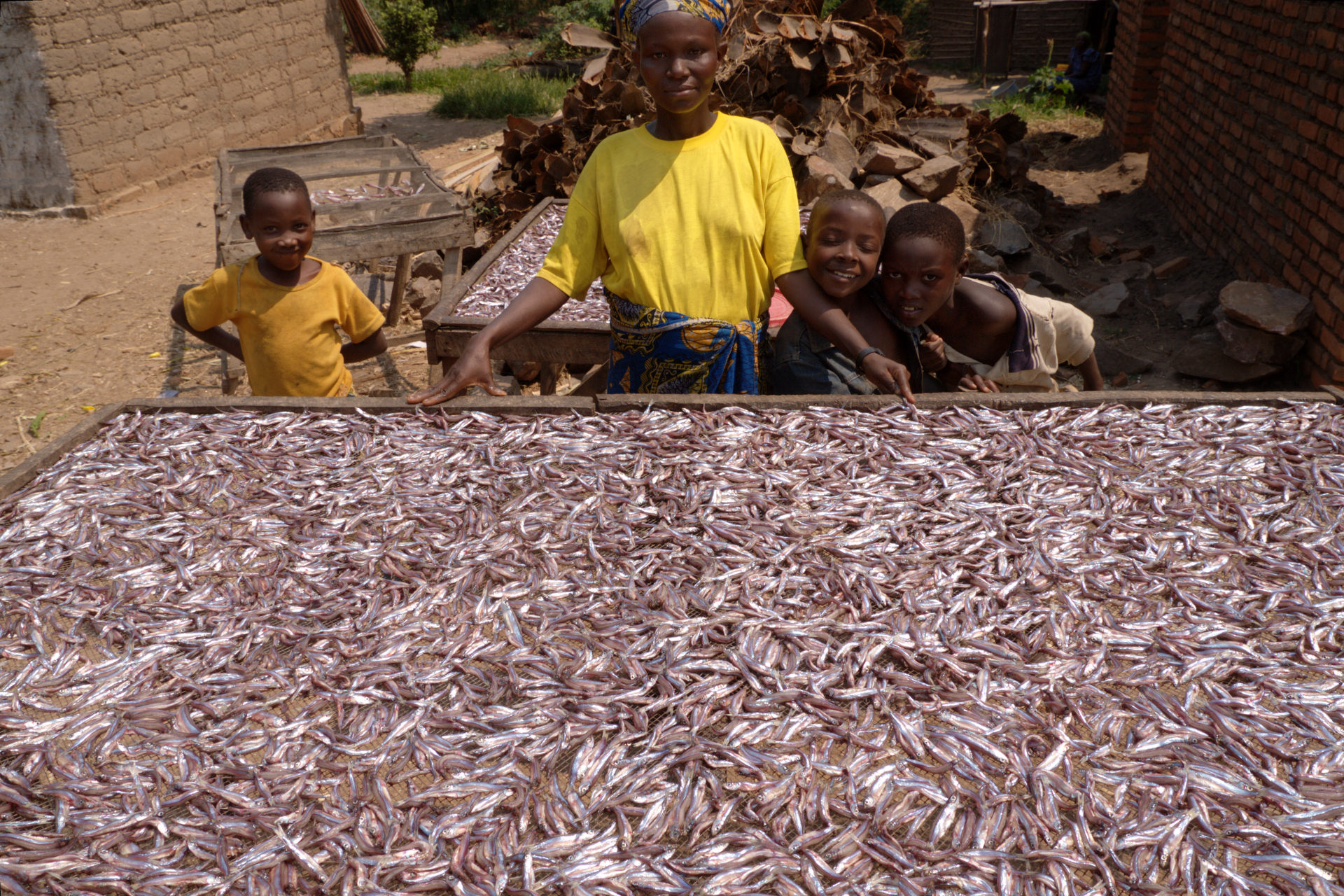
If nshima forms the foundation of nearly every meal, Zambia’s rivers and lakes provide its soul. Kapenta has become a national favourite, but its story begins long before it reaches the frying pan. On Lakes Tanganyika and Kariba, fishermen venture onto the water after sunset, using bright lanterns suspended above their boats to attract schools of fish to the surface before lowering fine nets beneath the light. Once ashore, the tiny fish are carefully sun-dried on raised racks, allowing them to be stored for months without refrigeration. Some households fry them until crisp, while others simmer them with tomatoes, onions, or groundnut sauce to accompany nshima.
But Tanganyika offers far more than kapenta. The lake’s immense depth and ancient ecosystem support remarkable freshwater species, including the celebrated Mpulungu bream, often regarded as Zambia’s finest fish. Along the northern shoreline, traditional smoking kilns preserve catches that travel hundreds of kilometres inland, connecting remote fishing villages with markets across the country.
Further south, where the Zambezi spills across the Barotse Floodplain, the rhythm of cooking follows the rhythm of water itself. As the floods recede, Lozi communities harvest fish trapped in shallow pools before smoking and drying them for the months ahead. They do not consult calendars—they read the floodplain itself, setting their nets as the water rises and retreats exactly as their grandparents once did. The wetlands also provide edible reeds, water lilies, and aquatic grasses that have supplemented local diets for generations.
Yet Zambia’s most remarkable delicacy is not pulled from a river at all. It is dug from the forest floor. Chikanda, often called “African polony,” is made from the tubers of wild terrestrial orchids found in Zambia’s miombo woodlands. The dried tubers are pounded into flour, mixed with groundnuts, chilli, salt, and baking soda, then steamed for hours until they form a dense, springy loaf with a surprisingly meaty texture. Different regions favour different orchid species, giving chikanda subtle variations in flavour and appearance. Because many orchids grow slowly, conservation initiatives now encourage sustainable harvesting to protect this uniquely Zambian dish.
The forests continue to feed Zambia in other remarkable ways. With the first rains comes an annual harvest that cannot be planted or farmed, it must simply be awaited. Wild mushrooms emerge briefly from the miombo woodlands, drawing families into the forest at dawn to gather varieties such as tente, delele, and busefwe. Guided by generations of knowledge, they distinguish edible mushrooms from poisonous look-alikes before drying many of them for use throughout the dry season. The rainy months also bring ifinkubala, the edible emperor moth caterpillars prized for their rich flavour and exceptional protein content. Harvested according to traditional seasonal practices, they are boiled, sun-dried, and later fried with onions or cooked in tomato relish.
When the rains deepen, the forests offer something sweeter. Indigenous fruits such as masuku, masau, and the tangy baobab fruit known as mabuyu have nourished communities for centuries. Rich in nutrients and flavour, they are eaten fresh, dried, or transformed into traditional drinks and snacks long before commercial orchards introduced citrus and other imported fruits.
Running quietly through much of Zambian cooking is another ingredient that rarely takes centre stage but binds countless dishes together: the humble groundnut. Freshly roasted and stone-ground into a coarse paste, it enriches fish stews, vegetables, mushrooms, and leafy relishes with a rich, earthy flavour that defines many traditional meals. In Northern Zambia, cassava leaves prepared as katapa are slowly cooked with groundnuts until they become tender and creamy, creating one of the country’s most beloved side dishes.
No meal, however, is complete without something to drink. Munkoyo, a fermented beverage made from maize meal and the roots of the munkoyo plant, remains a favourite across much of the country. Natural enzymes in the roots convert starch into sugars, producing a mildly sweet, slightly sour drink whose preparation varies from one community to another. Many families still guard their own methods, passing them quietly from one generation to the next.
As evening settles once more over Lake Tanganyika, the lanterns return to the water. Their reflections tremble across the dark surface exactly as they have for generations, drawing another night’s harvest from the depths below. Along the shore, yesterday’s kapenta still hangs drying in the warm breeze while, hundreds of kilometres away, a family gathers around a steaming pot of nshima, smoked fish, and fresh groundnut relish. The meal begins with hands reaching toward the same shared plate, a quiet ritual repeated across Zambia every single day, where rivers, forests, floodplains, and generations of inherited knowledge still find their way to the table, one humble mouthful at a time.
About the Author

Chansa Musonda — Chansa Musonda is a Zambian writer specializing in cultural and destination travel content across Southern Africa. Studying in India under the Edoofa Scholarship Programme, she writes with the curiosity of someone always chasing the next place, the next story, and occasionally the next good restaurant. Her style is engaging and conversational, blending practical travel insight with genuine warmth for the people and places she covers. Chansa approaches every destination with an adventurer’s mindset and a good sense of humour, believing the best travel writing, like the best travel, happens with an open mind and zero fear of getting a little lost.
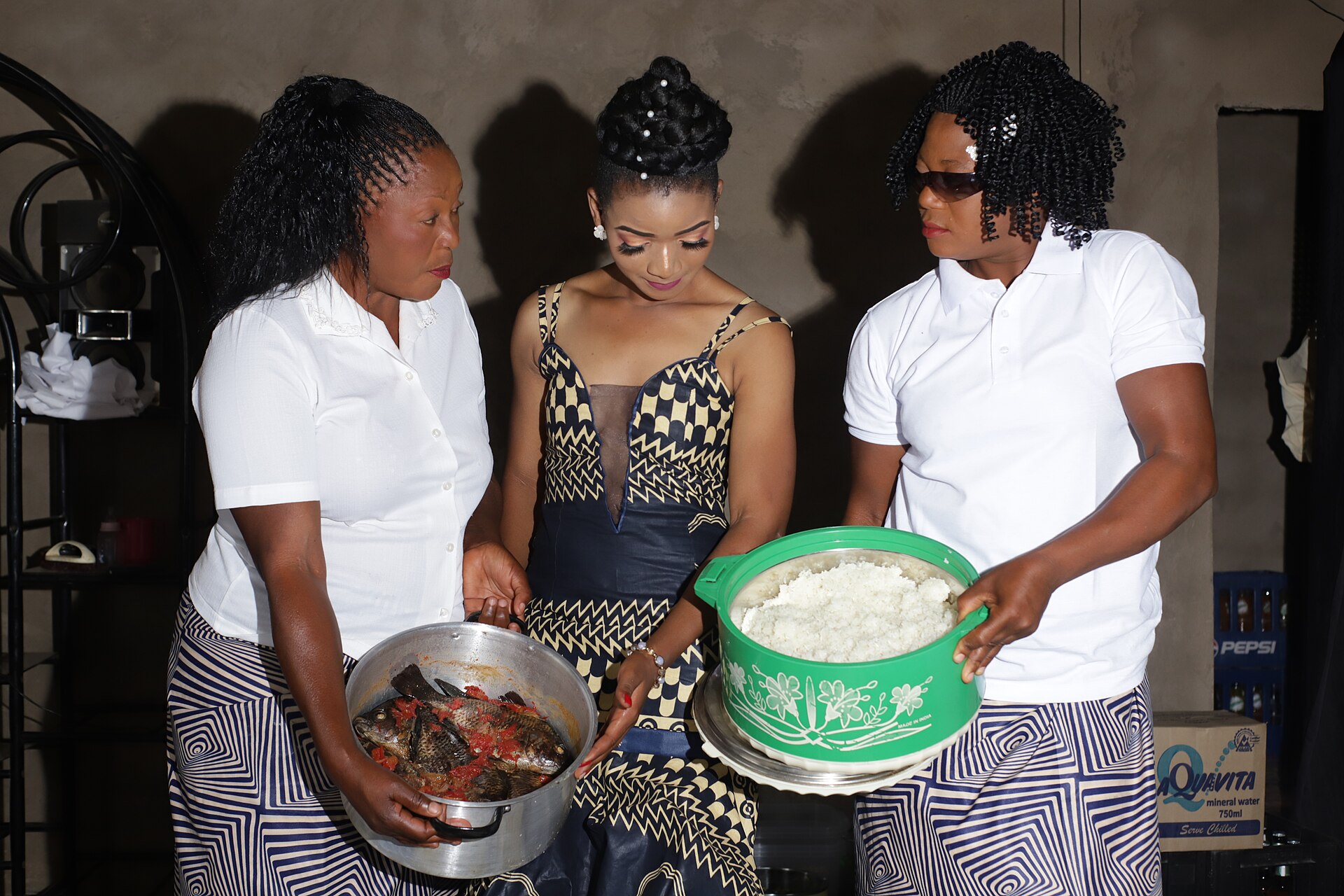
Cover image: Nshima with traditionally prepared fish. Photo: Mwiya5, CC BY-SA 4.0, via Wikimedia Commons.