

The meeting does not begin until everyone has had a chance to speak. Beneath the shade of a tree at the village Kgotla, a farmer shares his concerns, an elder offers advice, and a young mother patiently waits for her turn. No voice is rushed, and no opinion is dismissed. In Botswana, listening is considered just as important as speaking, and this simple gathering reflects values that have guided communities for generations. While many visitors arrive expecting unforgettable safaris and breathtaking landscapes, they often leave with an even greater appreciation for the traditions that continue to shape everyday life.
Botswana’s cultural identity has been built over centuries by the Tswana kingdoms and enriched by many other communities, including the Basarwa (San), Bakalanga, Bayeyi, Hambukushu, Herero, and Bakgalagadi. Each has preserved its own customs, languages, music, and ceremonies, creating a cultural heritage that remains vibrant despite the country’s rapid modernisation. Although Botswana is now one of Africa’s most stable democracies, many traditional institutions continue to thrive alongside modern life, linking the past with the present.
One of the values that binds these communities together is Botho, a Setswana philosophy that goes far beyond simple politeness. It encourages kindness, humility, compassion, and respect while reminding people that an individual’s well-being is closely connected to the well-being of the community. This philosophy is visible in everyday life. Greetings are never rushed, respect for elders comes naturally, and patience is valued in conversations. Visitors who embrace these customs quickly discover that Botswana’s famous hospitality is not simply good manners but a reflection of a deeply rooted way of life.
This same belief that no one exists apart from the community comes to life in Botswana’s most distinctive traditional institution: the Kgotla. Found in villages across the country, the Kgotla has served for generations as the place where important decisions are discussed, disagreements are settled, and community concerns are heard. Meetings are led by the kgosi, or chief, but leadership here is built on careful listening rather than authority alone. Every person has the opportunity to speak respectfully before decisions are made. The Kgotla is more than a meeting place; it also hosts ceremonies, public celebrations, and important announcements, showing how Botswana has successfully preserved traditional governance while embracing modern democracy.
Respect for both the living and those who came before them has also shaped Botswana’s spiritual traditions. Among many Tswana communities, Modimo is recognised as the supreme creator, while badimo, the ancestral spirits, are believed to guide and protect their descendants. Families may seek their blessings before major life events, during planting seasons, or in difficult times. Although Christianity is now the country’s dominant religion, many families continue to combine Christian beliefs with traditional practices, creating a spiritual life that reflects both faith and cultural heritage.
Growing into adulthood has traditionally been marked by ceremonies that prepare young people for the responsibilities ahead. For weeks, boys taking part in Bogwera and girls in Bojale left ordinary life behind, guided by respected elders who taught them not from books but from years of lived experience. They learned how to become responsible adults, care for their families, contribute to their communities, and uphold the values that define Tswana society. While these initiation ceremonies are less common today in some areas because of changing lifestyles and religious influences, they remain powerful symbols of identity and cultural continuity.
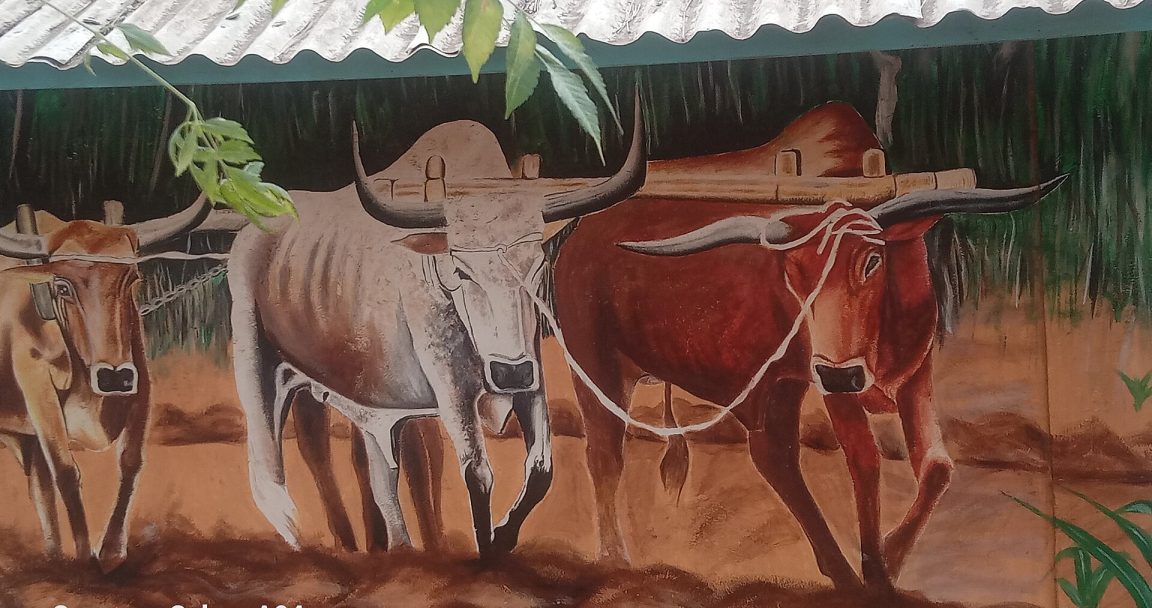
Marriage traditions continue to carry equal importance. One of the most respected customs is bogadi, the giving of bridal wealth, traditionally in the form of cattle, from the groom’s family to the bride’s family. Rather than representing a purchase, bogadi symbolises gratitude, mutual respect, and the joining of two extended families. Cattle themselves remain central to Botswana’s cultural identity. A family’s herd often says more about its history and standing than any bank balance. They are carefully cared for, passed from one generation to the next, and valued not only as a source of wealth but also as a lasting connection between family, tradition, and heritage.
Celebrations across Botswana come alive through music, dance, and storytelling. Whether during weddings, harvest festivals, initiation ceremonies, or national celebrations, traditional performances strengthen community bonds while keeping history alive. Dances such as Setapa, known for its energetic footwork, together with Hosana, Phathisi, and Borankana, reflect the rich diversity of Botswana’s many ethnic communities. Long before written records became common, elders used stories, songs, and proverbs to teach younger generations about courage, honesty, wisdom, and respect. Even today, these oral traditions remain one of the country’s most powerful ways of preserving its cultural identity.
Among Botswana’s oldest inhabitants are the Basarwa, or San people, whose spiritual traditions have been practised for thousands of years. One of their most respected customs is the healing trance dance. As darkness falls, community members gather around a fire, clapping and singing while healers known as gau dance with increasing intensity. Through rhythm, movement, and deep concentration, they enter a trance believed to allow them to communicate with the spirit world, remove illness, restore balance, and bring healing to their community. For the San, this is not a performance for visitors but a sacred ceremony that reflects one of Southern Africa’s oldest surviving spiritual traditions.
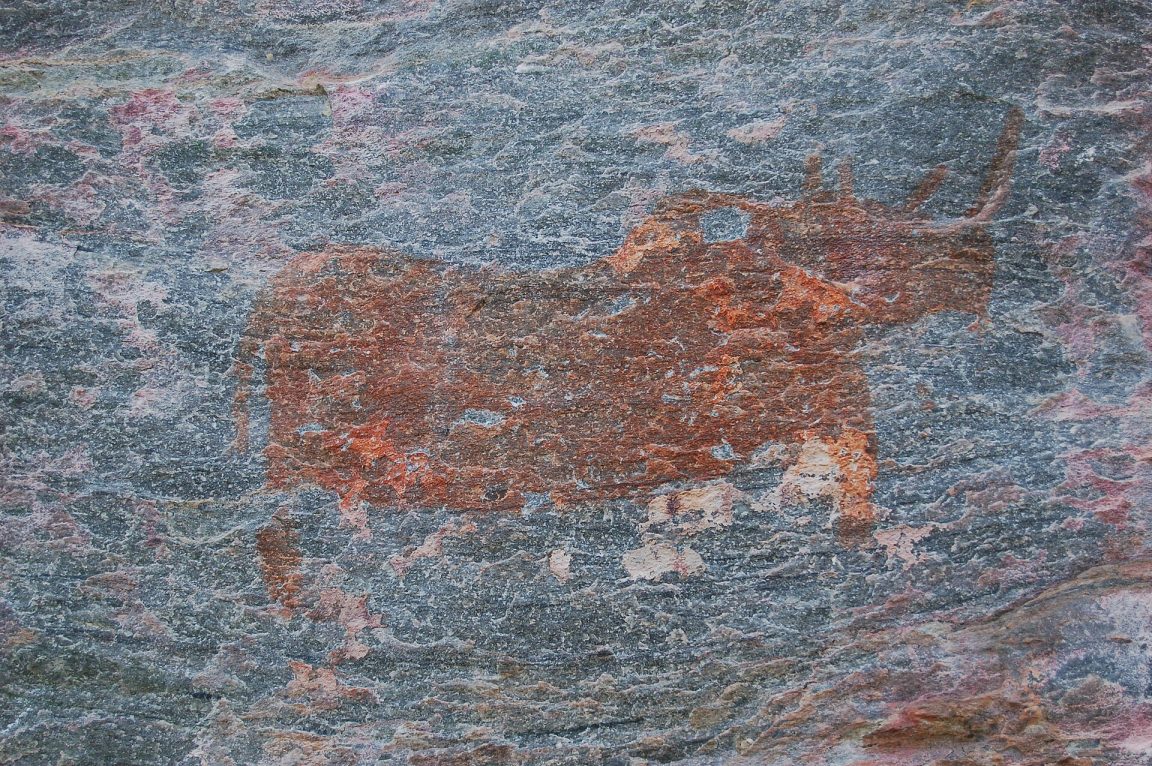
Botswana’s traditions are also closely connected to the land itself. Sacred places such as Tsodilo Hills, home to thousands of ancient rock paintings, continue to hold spiritual importance while offering a remarkable glimpse into the region’s distant past. Cultural festivals, including the Dithubaruba Cultural Festival, celebrate traditional music, dance, crafts, and local cuisine while encouraging younger generations to take pride in their heritage. In villages around the Okavango Delta, skilled artisans continue weaving baskets, shaping pottery, carving wood, and creating beadwork using techniques passed down through countless generations.
Visitors who wish to experience Botswana respectfully will find that small gestures make a meaningful difference. Greeting people before asking questions, showing respect to elders and traditional leaders, asking permission before taking photographs, and approaching local customs with patience and genuine curiosity are all appreciated. Even learning a simple Setswana greeting such as “Dumela” often opens the door to warm conversations and lasting memories.
Long after the Kgotla meeting has ended and the last voices have faded, the spirit of Botswana’s traditions continues to shape daily life. They are not preserved behind museum walls or performed only for special occasions. They live in the respect shown to elders, the stories shared around evening fires, the rhythm of traditional dances, and the quiet belief that a community grows stronger when every voice is heard. Beyond its extraordinary wildlife and breathtaking landscapes, Botswana’s greatest treasure is the living heritage its people continue to protect with pride, ensuring that these traditions remain part of everyday life for generations to come.
About the Author

Jameel Jawabu is a Zimbabwean writer and Geography (Honours) student specializing in destination storytelling across Zimbabwe and Southern Africa. Currently based in India through the Edoofa Scholarship Programme, he brings a geographer’s eye for landscape and culture to every piece he writes, paired with the outsider-insider perspective of exploring the world beyond home. His writing is curious and research-driven, always chasing the “why” behind a place rather than just the “what.” A lifelong note-taker and question-asker, Jameel writes to help readers see destinations the way he does, as stories worth understanding, not just visiting.
Cover image: Kalanga traditional dancers perform at a cultural gathering in Botswana. Photo: Mompati Dikunwane, CC BY-SA 4.0, via Wikimedia Commons.