
South Africa Safari Tours from India
Expertly planned South Africa safaris — designed with you in India, delivered on the ground in Kruger, the Eastern Cape and KwaZulu-Natal by specialists who know both sides of the journey.
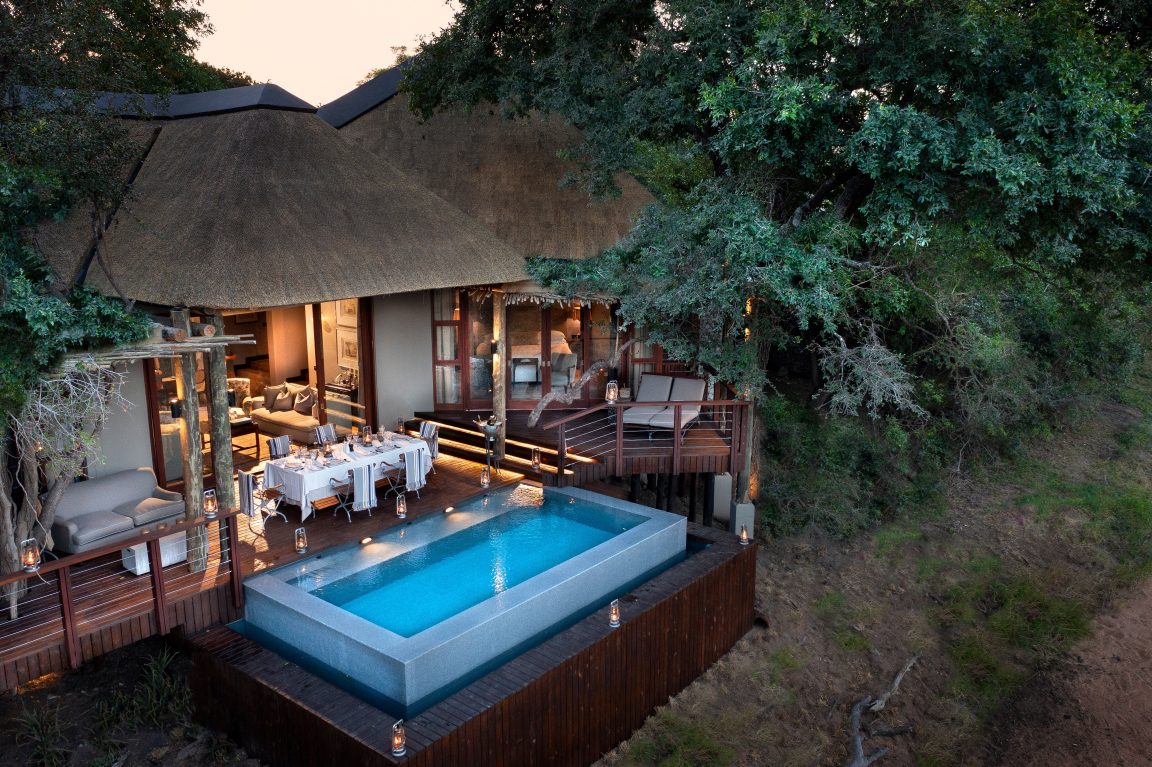
Photo · andBeyond Phinda Mountain Lodge, KwaZulu-Natal
The Chalo View — Why South Africa, from India
South Africa is the one country in Africa where you can genuinely self-drive to a Big Five sighting in the morning, taste world-class wine in the Cape Winelands two days later, and end the trip walking a penguin-lined beach an hour from a major international city. No other safari country packs this much range into one manageable itinerary.
It is also, for many Indian travellers, the most approachable entry into an African safari. Kruger National Park is one of the few reserves on the continent with a great self-drive option, private reserves around it that offer the full luxury fly-in experience for those who want it, and the malaria-free reserves of the Eastern Cape make it an easy choice for young families. Add Cape Town, the Winelands and the Garden Route, and South Africa becomes as much a food, wine and scenic-drive holiday as a wildlife one.

Why Plan Your South Africa Safari With Chalo
Africa & India, equally understood
We have been planning African safaris from India for almost a decade and a half. South Africa in particular rewards local knowledge — which reserve suits which budget, when to self-drive and when to fly, which camp is right for children — and we know exactly how travellers from India like to move through a trip.
Partner with Hundreds of Camps across Africa
From Sabi Sand to the Masai Mara, we work directly with hundreds of camps and lodges across the continent, securing priority space and preferential rates for our travellers across every price point, from self-drive rest camps to the continent’s most exclusive private reserves.
Specialists, Not Algorithms
Booking engines and AI tools do not understand Africa, even when they pretend to — they generalise, and South Africa’s sheer range of options (self-drive or fly-in, malaria zone or malaria-free, safari-only or safari-plus-Cape-Town) is complicated. Every itinerary here is hand-built by a specialist who has been there, on WhatsApp with you before, during and after the trip.
Understanding South Africa Safaris from India
South Africa does not work like Kenya, Tanzania or Botswana, and that is exactly its appeal. Instead of one safari model, it offers several side by side: self-drive through Kruger National Park on excellent tar and gravel roads; classic private-reserve luxury in the Sabi Sand, Timbavati or Manyeleti, bordering Kruger with no fences between them; and malaria-free family safaris in the Eastern Cape’s Amakhala, Kwandwe and Shamwari reserves, all within easy reach of Gqeberha (Port Elizabeth).
Because South Africa is also a fully developed international destination in its own right, most first-time itineraries do not stop at the safari — they continue on to Cape Town and the Cape Winelands, and sometimes the Garden Route in between. Part of our job is deciding how much time to give each piece so the trip flows as one holiday rather than two stitched together. Victoria Falls is often a lovely addition to any South Africa holiday.
Flights & Accessibility — Getting to South Africa from India
There are currently no direct flights from India to South Africa, so every trip connects — most commonly via the Gulf hubs (Emirates via Dubai, Qatar Airways via Doha, or Etihad via Abu Dhabi), or via Ethiopian Airlines through Addis Ababa or Kenya Airways through Nairobi. Total journey time from Mumbai to Johannesburg typically runs eleven to fourteen hours including connections.
South African Airways has announced plans to relaunch a direct Johannesburg–Mumbai route, though at the time of writing this has not yet been confirmed as operating — worth asking us about at the time you book, as the picture may have changed. Once in South Africa, OR Tambo International in Johannesburg is the main gateway for Kruger and the private reserves (with onward flights or road transfers to Hoedspruit, Skukuza or Nelspruit), while Cape Town International serves the Winelands and Garden Route directly, and Gqeberha (Port Elizabeth) is the gateway for the Eastern Cape’s malaria-free reserves.
Getting Around South Africa — Self-Drive, Fly-In or Both
Unlike Kenya, Tanzania or Botswana, South Africa is a country where a genuine, well-signposted self-drive safari is popular — Kruger National Park has an excellent network of tar and gravel roads, clearly marked rest camps, and a well-established culture of visitors driving themselves between sightings. This makes it the most flexible and often the most affordable of Africa’s major safari countries — though it’s worth knowing upfront that self-drive isn’t something we typically plan or book for clients; our focus is guided, tailor-made safaris, so if a pure self-drive trip is what you’re after, you’re usually best off booking that directly.
For the private reserves bordering Kruger (Sabi Sand, Timbavati, Manyeleti) and further afield (Phinda in KwaZulu-Natal, Madikwe near Johannesburg), the norm is a short flight into a regional airstrip — usually Hoedspruit or Skukuza for the Kruger-area reserves — followed by a road transfer of thirty minutes to an hour. The Eastern Cape’s malaria-free reserves are typically reached by a road transfer from Gqeberha (Port Elizabeth), often under two hours. Between the safari and the Cape Town/Winelands leg of a trip, a short domestic flight (around two hours) is the standard connection.
Best Time to Visit South Africa — Planned Around Indian Holidays
May to September is the dry winter season and the best window for game viewing — thinning bush and animals concentrating around waterholes make sightings far more reliable, and it is also the lower-malaria-risk period in the reserves that carry any risk at all. Cape Town’s seasons run in reverse to the safari regions: its own summer (November to March) is the best time for the Winelands, the coast and Table Mountain, which is worth weighing if your trip combines both.
| Indian travel window | Months | What’s happening in South Africa | Best for |
|---|---|---|---|
| New Year & winter break | Dec–Feb | Peak Cape Town summer — warm, dry, long days on the coast and in the Winelands; safari regions are hot and green with newborn animals. | Cape Town & the Winelands; families |
| Quiet cusp | Mar | Cape Town’s summer eases; safari bush is still lush and green, with good birding. | Value; quieter Cape Town |
| Summer holidays | Apr–May | Transitional month into the safari dry season; Cape Town cools down, safari regions turn golden. | Shoulder-season value across both |
| Summer holidays | Jun | Dry season begins in earnest — cool mornings, clear skies, thinning bush improves game viewing. | Comfortable game viewing without peak prices |
| Summer / Dussehra break | Jul–Aug | Peak dry-season game viewing — the single best window for Big Five sightings, especially in Kruger and the private reserves. | Serious wildlife viewing; Kruger self-drive |
| Diwali & onward | Sep–Oct | Still excellent game viewing, warming up again as the dry season peaks. | Big game; fewer crowds than Jul–Aug |
| Short rains | Nov | First rains soften the heat in the safari regions; Cape Town’s summer begins. | Transitional; good value either side of the trip |
Where to Safari in South Africa — The Parks & Regions
Kruger National Park & the Greater Kruger private reserves. One of Africa’s great national parks, uniquely set up for both self-drive visitors and, along its unfenced western boundary, some of the continent’s finest private reserves — Sabi Sand, Timbavati and Manyeleti — renowned for exceptional leopard density and off-road game drives not permitted inside the park itself.
The Eastern Cape (Amakhala, Kwandwe, Shamwari). Malaria-free Big Five country within easy reach of Gqeberha (Port Elizabeth), making it the most straightforward choice for young families or anyone wanting a shorter, simpler safari without a malaria-prevention conversation.
Phinda Private Game Reserve, KwaZulu-Natal. Seven distinct habitats packed into one reserve, from sand forest to grassland, home to both cheetah and black rhino alongside the rest of the Big Five, and a favourite for travellers who want rarer species alongside the classics.
Madikwe Game Reserve. Malaria-free and just a three-and-a-half to four-hour drive from Johannesburg, making it a popular short add-on for travellers tight on time.
Cape Town, the Cape Winelands & the Garden Route. Not safari country, but the natural second half of almost every South Africa itinerary — Table Mountain, the Cape Peninsula, world-class wine estates around Stellenbosch and Franschhoek, and the scenic coastal drive of the Garden Route linking the Cape to the Eastern Cape reserves.

Suggested South Africa Itineraries from India
Every trip we plan is tailor-made, but it helps to see how the pieces fit together. These are illustrative shapes — starting points we will bend entirely around your dates, budget and interests.
Tell us your dates and your dream — or browse our full range of South Africa safaris and itineraries for more inspiration — and we will draw the map.
Kruger & Cape Town Classic — 8 to 10 Days
The quintessential South Africa trip: three or four nights on safari in Kruger or a private reserve, followed by Cape Town and the Winelands — Table Mountain, the Cape Peninsula and a day or two of wine tasting in Stellenbosch or Franschhoek.
Sabi Sand Luxury Safari — 5 to 6 Days
A focused, private-reserve-only trip built around the Sabi Sand’s exceptional leopard sightings, off-road game drives and walking safaris — ideal for a shorter, higher-intensity safari without the Cape Town leg.
Malaria-Free Family Safari — 6 to 7 Days
Built around the Eastern Cape’s malaria-free reserves, with an optional Garden Route drive to Cape Town — our usual recommendation for families with young children who want the Big Five without the malaria-prevention conversation.
The Grand South Africa Circuit — 12 to 14 Days
For travellers with time to go deeper: Kruger or the private reserves, the Garden Route’s scenic coastal drive, and a longer stay across Cape Town and the Winelands — the fullest possible picture of the country in one trip.
What a South Africa Safari Costs
South Africa is, region for region, one of the more affordable safari countries in Africa — largely because road access removes the light-aircraft costs that drive up prices elsewhere. While you can book budget properties directly, we recommend an average of US$750 per person per night at accessible Eastern Cape and Kruger-area lodges, rising to US$1,000–1,200 at well-appointed private-reserve lodges in Kruger and KwaZulu-Natal, and US$1,500 and up at the most exclusive Sabi Sand icons. Self-drive travellers staying in SANParks rest camps inside Kruger can budget considerably less than any of these figures, though that’s a route we’d point you to book directly rather than through us. Rates at private lodges are all-inclusive: accommodation, meals, drinks and game activities; the Cape Town and Winelands leg of a trip is generally priced separately and, city-hotel for city-hotel, tends to cost less per night than the safari portion.
Wildlife, Game Drives & Self-Drive Safaris
South Africa delivers the Big Five across multiple regions, but it is the Sabi Sand and the wider Greater Kruger private reserves that stand out for leopard density — among the best in Africa — alongside strong lion, buffalo, elephant and rhino sightings and, on the private reserves, off-road driving and night drives not permitted inside Kruger itself. Kruger National Park remains one of the very few places in Africa where visitors genuinely self-drive between sightings, on well-maintained roads with clear wildlife signage.
The Eastern Cape’s reserves are a genuine conservation success story — Addo Elephant National Park alone protects one of the densest elephant populations in Africa, rebuilt from a handful of survivors in the 1930s, while Amakhala, Kwandwe and Shamwari have reintroduced the full Big Five to reserves that did not have them a generation ago. Along the Cape coast, marine wildlife adds another layer entirely: southern right whales at Hermanus from June to November, and African penguins at Boulders Beach year-round.

Visa & Entry Requirements for Indian Passport Holders
Indian passport holders need a visa to enter South Africa, arranged in advance — there is no visa-free entry or visa-on-arrival for Indian citizens. Applications can be made through the official e-Visa portal run by the Department of Home Affairs, or via VFS Global’s visa application centres, and typically ask for a passport valid at least six months beyond your travel dates with blank pages, passport photographs, a completed application form, proof of flights and accommodation, bank statements and evidence of sufficient funds. Processing commonly takes ten to fifteen working days, so it is worth applying well ahead of departure. A standard tourist visa generally permits a stay of up to ninety days.
Because requirements, fees and processes can and do change, we always point our travellers to the official Department of Home Affairs e-Visa portal or VFS Global for the current process rather than arranging the visa ourselves — we will tell you exactly what to expect and when to start, but the application itself is yours to submit.
Accommodation & Camp Life
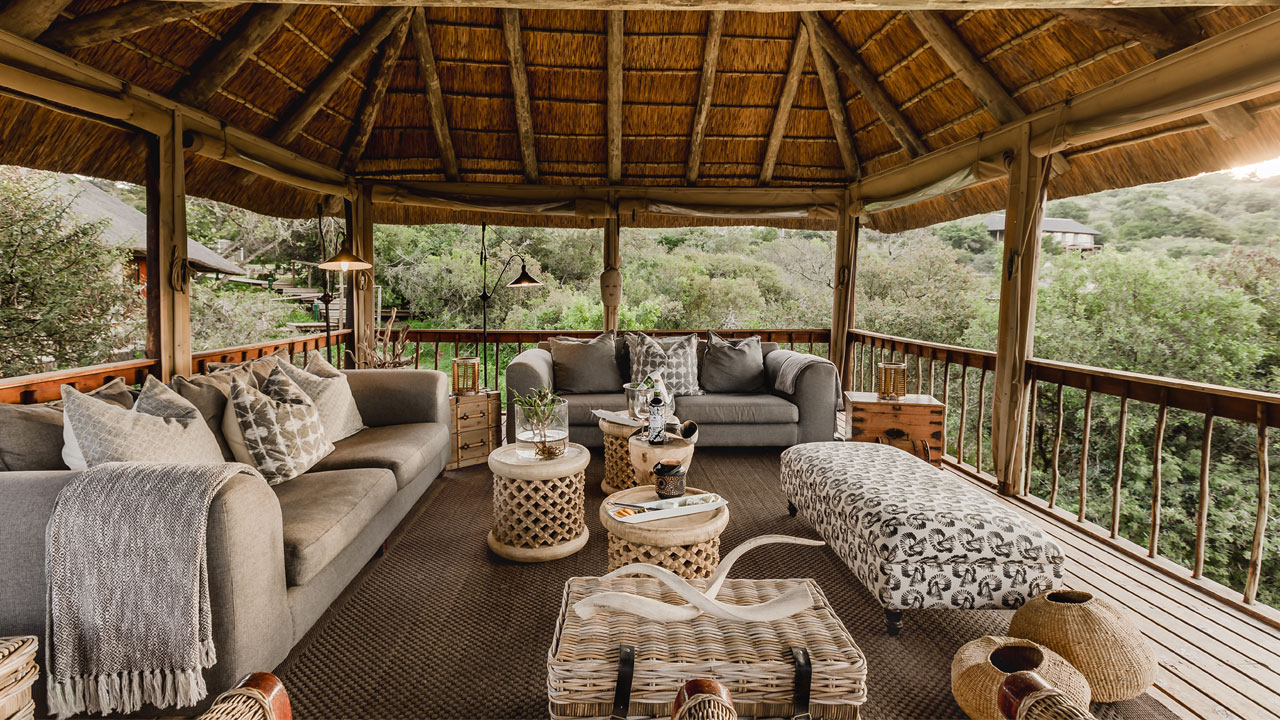
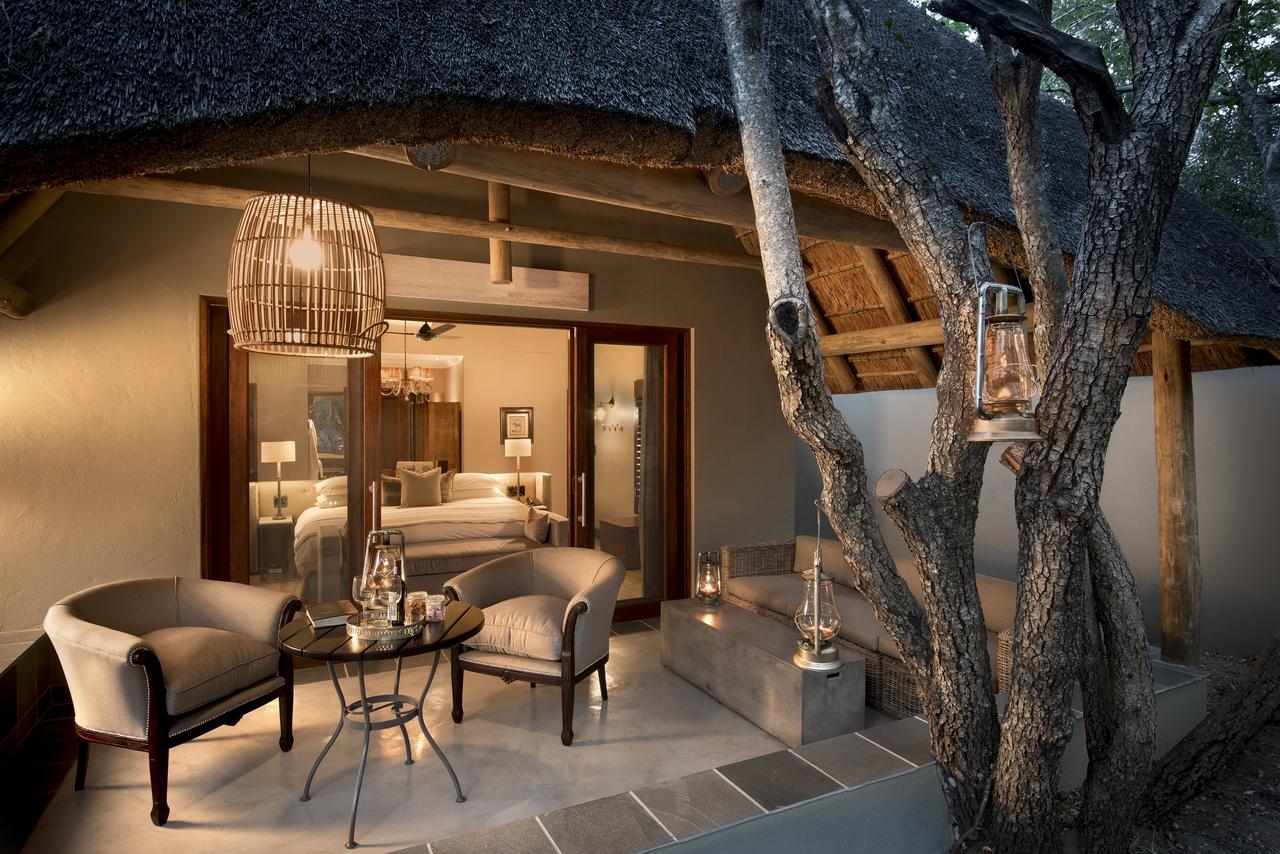
South Africa spans the widest accommodation range of any safari country we work in — from self-catering SANParks rest camps inside Kruger, genuinely affordable and popular with self-drive visitors, to private-reserve lodges with the full luxury fly-in experience: raised suites, private plunge pools, ranger-and-tracker teams and twice-daily game drives. Because road access is so good across most of the country, even the private-reserve end of the market tends to be more affordable than the fly-in-only destinations further north.
Rates at private-reserve lodges are usually fully inclusive — accommodation, all meals, most drinks and twice-daily game activities. Malaria-free Eastern Cape lodges in particular are often designed with families in mind, with fewer of the strict minimum-age restrictions common at walking-safari properties elsewhere in Africa.
Health, Vaccinations & Safety
South Africa does not require a yellow fever certificate for travellers arriving directly from India, but if your routing transits a country with risk of yellow fever transmission, proof of vaccination may be requested on arrival — worth checking against your specific flight routing. Malaria risk exists in Kruger and the Greater Kruger private reserves, Phinda and Madikwe, particularly in the wetter months from October to May, and most international travellers take a course of antimalarial tablets alongside standard precautions. The Eastern Cape reserves, Cape Town and the Winelands are entirely malaria-free year-round.
Money, Payments & Connectivity
The local currency is the South African Rand (ZAR). Unlike some of our more remote destinations, cards are widely accepted here — at lodges, restaurants, shops and even most safari camps — so you will need relatively little cash, though it is worth carrying some for tips and small incidentals. ATMs are widely available in Johannesburg, Cape Town and most towns.
Connectivity is generally good in Cape Town, Johannesburg and the Winelands, with wifi at most private-reserve lodges too, though it can be patchier at the more remote reserves. We brief every traveller on what to expect at each specific property before you go.
Food, Diet & Indian Preferences
South Africa has one of Africa’s most developed food and wine cultures — from boma dinners and the classic braai (barbecue) at safari lodges to Cape Malay cuisine and some of the world’s most acclaimed restaurants in the Winelands around Stellenbosch and Franschhoek. Vegetarian meals are widely and reliably available, especially in Cape Town, and we share your dietary preferences with each property in advance so their kitchen is ready before you arrive.
Very specific or highly specialised dietary requirements cannot always be guaranteed at small, remote lodge kitchens, so we are upfront about what each property can genuinely deliver rather than overpromising, and we steer you towards the properties best placed to look after you well.
Packing, Luggage & Clothing
South Africa’s winter (May to September) — the best game-viewing season — can be genuinely cold, especially on early-morning game drives and in Cape Town, so pack warmer layers than you might expect for an African safari: a proper jacket, closed shoes and a hat for the mornings, with lighter clothing for warm afternoons. Neutral, muted colours (khaki, olive, sand) suit game drives, while Cape Town and the Winelands call for smart-casual layers for restaurants and wine estates.
If your trip includes a fly-in private reserve, light-aircraft operators typically enforce a luggage limit of around 20kg per person in a soft-sided bag — we share the exact allowance for your specific flights well before departure. A swimsuit, sunglasses, sunscreen and insect repellent (for the malaria-risk regions) round out the essentials.
Family, Women & Senior Travellers
Families
South Africa is, on balance, the easiest African safari for families with young children — the Eastern Cape’s malaria-free reserves remove the biggest single concern for parents, many private reserves have more relaxed minimum ages than walking-safari destinations elsewhere in Africa, and self-drive Kruger offers total flexibility for a family’s own pace. We match families to the properties genuinely set up for children.
Women Travellers
Between well-run private reserves, a strong culture of international tourism, and cities used to hosting solo and group travellers, South Africa is a popular and comfortable choice for women travelling alone or in small groups. We brief every traveller on the specific, sensible precautions worth taking in cities, and are always a WhatsApp message away.
Senior & Multi-Generational
The choice between self-drive, fly-in and road-transfer options makes South Africa easy to pace for multi-generational groups and senior travellers, and Cape Town and the Winelands add a gentler, less physically demanding second half to any trip. We choose properties with easy, step-free access where mobility is a concern.
Safety, Emergencies & Practical Concerns
South Africa’s safari industry is professionally regulated, with trained, licensed guides and rangers at every reserve, and the reserves themselves are among the safest environments in the country. Cities are a different matter — Johannesburg and, to a lesser extent, Cape Town carry the general urban-safety considerations of any major city, and we brief every traveller on sensible precautions: using reputable transfers rather than walking after dark in unfamiliar areas, keeping valuables out of sight, and following your hotel or guide’s local advice.
On safari, simple habits matter most: follow your guide’s instructions on and off vehicles, never walk unescorted in reserves after dark, and keep a respectful distance from all wildlife. Remote lodges maintain established medical evacuation arrangements as standard.
A Few South Africa Camps We Love
Prices are per person per night, fully inclusive, converted from local rates.
Amakhala Safari Lodge
A four-star lodge in a valley of indigenous bush on Amakhala’s northern boundary, with a signature package that includes a game drive into neighbouring Addo Elephant National Park — malaria-free and family-friendly.
Amakhala Bukela Game Lodge
A romantic, secluded five-star lodge tucked into indigenous bush at the top of a hidden valley on Amakhala — intimate, malaria-free and geared to couples as much as families.
andBeyond Phinda Mountain Lodge
Perched high on a hilltop with panoramic views across seven distinct habitats, thoughtfully designed for families as much as couples, in a reserve known for cheetah and black rhino alongside the rest of the Big Five.
Ngala Safari Lodge
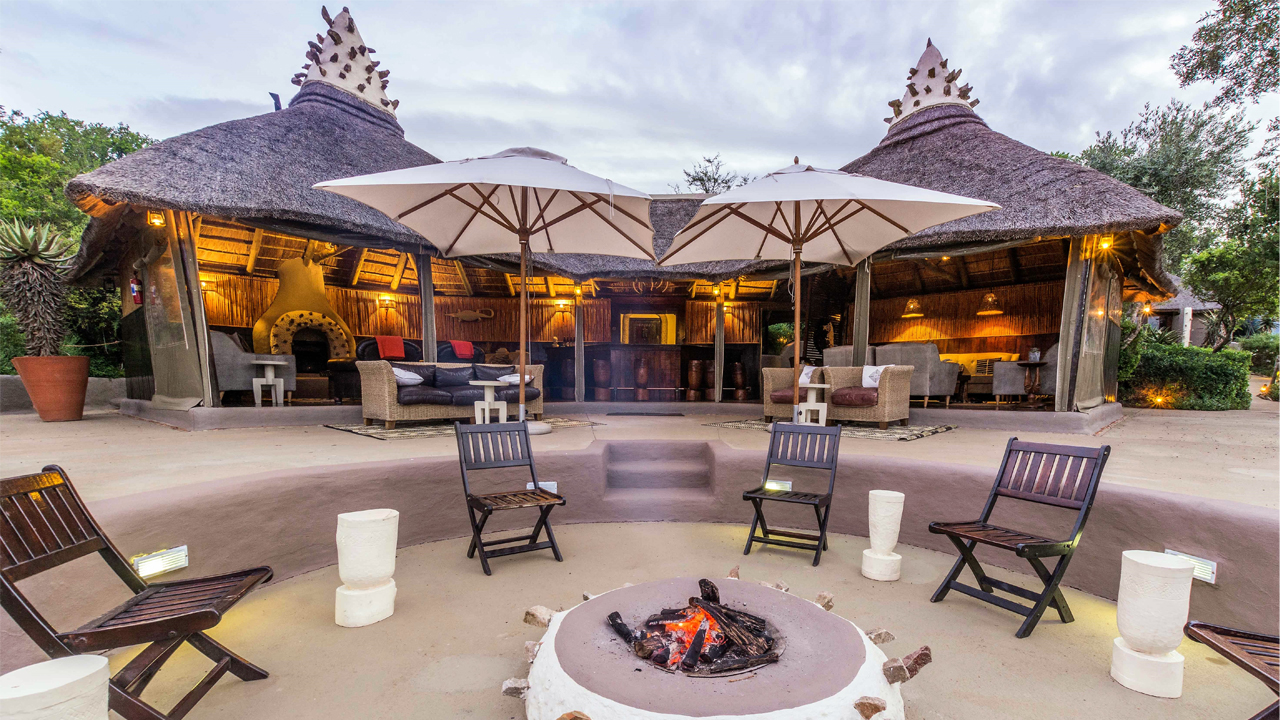
Spacious and steeped in vintage safari character on the Kruger’s unfenced boundary, with starlit boma dinners and poolside cocktails as elephants pass by.
andBeyond Kirkman’s Kamp
A lodge with genuine history, set high on a ridge overlooking the Sand River in the world-famous Sabi Sand — among the best leopard territory anywhere in Africa.
Cape Town, the Winelands & Beyond
For most travellers from India, South Africa is not a safari-only trip — Cape Town and the Cape Winelands are as much the point as the wildlife. A short domestic flight from the safari regions brings you to Table Mountain, the Cape Peninsula and Boulders Beach’s penguin colony, with the Winelands around Stellenbosch and Franschhoek an easy day trip or overnight away for world-class wine and food. The Garden Route offers a scenic, several-day coastal drive linking Cape Town to the Eastern Cape’s malaria-free reserves, for travellers who want to see the country change beneath them rather than fly over it.
Further afield, South Africa also links naturally to Victoria Falls, Botswana and Mozambique’s beaches for travellers with more time — see our Botswana safaris from India and Kenya safari tours from India for the neighbouring side of the region, or our Tanzania safaris from India for a Serengeti and Ngorongoro Crater safari further north.
Rwanda. For travellers who want to pair the Cape with mountain gorilla trekking, Volcanoes National Park is reachable via a regional connection — see our Rwanda safaris from India for that side of the trip.
Because we plan across the whole region, you are never boxed into a single country or a single kind of holiday. We will tell you honestly when adding a leg is worth it and when it is better to go deeper in one place — and we will make the joins invisible.
When & How to Book Your South Africa Safari
How far ahead to book. South Africa is more flexible than some of our other destinations, but the best private-reserve lodges and peak-season Cape Town accommodation (December to February, and the July–October dry season for safari) still book up three to six months ahead. If your dates are fixed around Indian school holidays, the earlier you talk to us, the better the choice of properties you will have.
How the planning works with us. It begins with a conversation, not a quote. We want to understand who is travelling, what you dream of seeing, how you like to travel and what you would like to spend — and from there we build a tailor-made itinerary, talk it through with you, refine it, and only firm it up once it is right. You deal with a real person throughout, on email and WhatsApp, from the first idea to the moment you land home.
Payment and peace of mind. Lodges are held with a deposit and balances fall due before travel; we lay out the schedule and the terms transparently, with no surprises. And because we have relationships with the camps and ground handlers, if a flight time shifts or a plan needs adjusting once you are travelling, it is handled quietly on our end.
When to start. The honest answer is: as soon as you are seriously considering it, particularly if your trip combines safari with Cape Town in peak season. Reach out whenever the idea takes hold.
Questions Indian Travellers Ask
Are there direct flights from India to South Africa?
No — every route currently connects, most commonly via the Gulf hubs (Emirates, Qatar Airways or Etihad) or via Ethiopian Airlines or Kenya Airways. South African Airways has announced plans for a direct Johannesburg–Mumbai route, though this was not yet confirmed as operating at the time of writing — worth asking us for the latest at the time you book.
Do Indian citizens need a visa for South Africa?
Yes — a visa arranged in advance, via the official e-Visa portal or a VFS Global application centre, as there is no visa-on-arrival for Indian passport holders. Always check the official portal or VFS Global directly for current requirements before applying.
When is the best time to visit South Africa from India?
May to September is the dry season and the best window for game viewing, with lower malaria risk in the reserves that carry any. Cape Town and the Winelands run on the opposite season, with November to March their own warm, dry best — worth weighing if your trip combines both.
How much does a South Africa safari from India cost?
We recommend budgeting an average of US$750 per person per night at accessible Eastern Cape and Kruger-area lodges, rising to US$1,000–1,200 at well-appointed private-reserve lodges, and US$1,500 and up at the most exclusive Sabi Sand properties — all rates fully inclusive of accommodation, meals, drinks and activities, before international flights and visa costs.
Is South Africa suitable for families?
Very much so — arguably the easiest African safari for families, thanks to the Eastern Cape’s malaria-free reserves and the flexibility of self-drive Kruger. We match families to the properties genuinely set up for children.
Should I self-drive or fly between camps?
Both are genuinely viable in South Africa, which is unusual for an African safari. Self-drive works well inside Kruger National Park itself, though that’s a route we’d point you to book directly rather than through us — our focus is the guided, tailor-made side: the private reserves bordering Kruger, along with Phinda and Madikwe, usually reached by a short flight into a regional airstrip followed by a road transfer.
Will I find vegetarian food in South Africa?
Yes, and easily — vegetarian food is widely available, especially in Cape Town, and we share your dietary preferences with every property in advance so their kitchen is ready for you.
Why book South Africa through Chalo Africa rather than online?
Because we understand Africa and India equally well, and we have been doing this for almost a decade and a half. South Africa’s sheer range of options — self-drive or fly-in, malaria zone or malaria-free — rewards specialist planning more than almost anywhere else in Africa; booking engines and AI tools simply do not understand the region the way a specialist does.
Let’s Plan Your South Africa Safari
Tell us how you like to travel and we’ll design a journey to match — the right camps, the right season, and the best value from India. No obligation, just expert advice from people who know Africa and India equally well.