
Kenya Safari Tours from India
Expertly planned Kenya safaris — designed with you in India, delivered on the ground in the Masai Mara, Amboseli, Samburu and beyond by specialists who know both sides of the journey.
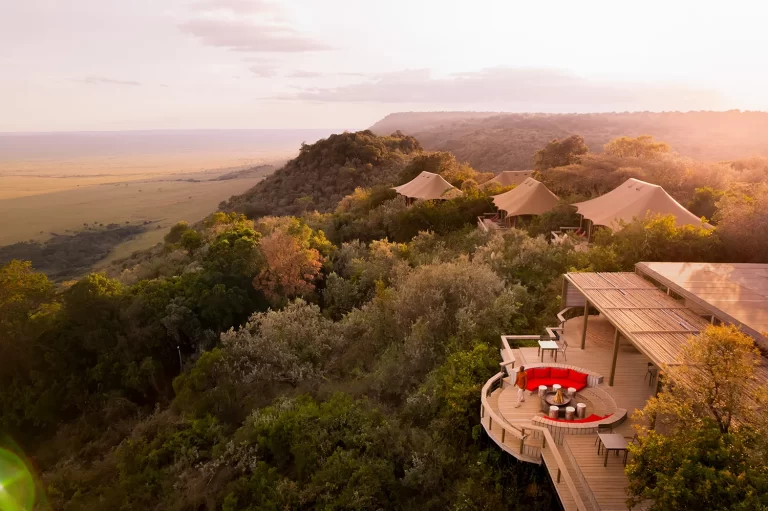
Photo · Mara River Tented Camp, Masai Mara
The Chalo View — Why Kenya, from India
Looking for a wild, untamed experience? Endless savannahs, big African skies and a family of slumbering lions? A thundering stampede of wildebeest seeking green pastures? Then you could choose no better than Kenya for your first — or your fifth — African safari. Kenya is where the safari was born, and it remains the most complete introduction to wild Africa that exists: the migration plains of the Masai Mara, elephants marching beneath the snows of Kilimanjaro at Amboseli, the singing wells and rare northern species of Samburu, and the great private conservancies of Laikipia where rhino and wild dog still roam.
For travellers from India, the best news is how close it all is. A direct flight from Mumbai puts you in Nairobi in about seven hours — closer, in flying time, than many domestic Indian holidays feel. From Nairobi, the Mara, Amboseli and the north are a short hop away by light aircraft. An African safari from India is far more doable than most people imagine, and Kenya is the easiest place to begin.
Chalo Africa was founded by Indians who fell in love with Africa and built a company to share it with travellers back home. We plan every journey ourselves — no call-centre, no off-the-shelf package — matching the right camp, the right season and the right pace to how you like to travel, whether that is a honeymoon under canvas, a multi-generational family holiday, or a first safari you have dreamed about for years. We have been doing this for almost a decade and a half, and in that time we have walked the camps, driven the roads, flown the bush strips and eaten the food ourselves, so that the advice we give you is lived, not looked up.
Chalo Africa is Asilia Africa’s preferred partner in Asia — a relationship that gives our travellers priority access and specially negotiated rates at some of East Africa’s finest camps, from the private conservancies bordering the Masai Mara to the plains beyond. It is a level of access, and a depth of on-the-ground knowledge, that the big online booking sites simply cannot offer.
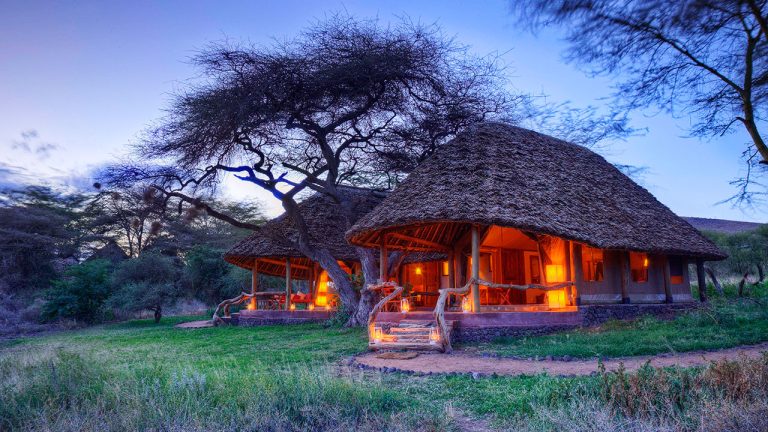
Why Plan Your Kenya Safari With Chalo
Africa & India, equally understood
We have been planning African safaris from India for almost a decade and a half. We know the conditions on the ground — the weather windows, the wildlife patterns, which camp is right in which month — and we know exactly how travellers from India like to travel.
Partner with Hundreds of Camps across Africa
From the Masai Mara to the Okavango Delta, we work directly with hundreds of camps and lodges across the continent, securing priority space and preferential rates for our travellers — including our preferred-partner relationship with Asilia Africa in Asia.
Specialists, Not Algorithms
Booking engines and AI tools do not understand Africa, even when they pretend to — they generalise, and Africa punishes generalisation. Every itinerary here is hand-built by a specialist who has been there, on WhatsApp with you before, during and after the trip.
Understanding Kenya Safaris from India
A Kenya safari is not one single thing. It is a collection of very different landscapes and wildlife experiences, stitched together by short flights and expert guiding, and the art of planning a great trip lies in choosing the right combination for you. (For the complete picture, see our full Kenya travel guide.)
Most first safaris are built around the Masai Mara, Kenya’s flagship reserve and the northern extension of the Serengeti ecosystem. This is big-cat country and the stage for the Great Migration between roughly July and October, when more than a million wildebeest and zebra pour across the Mara River in one of the planet’s last great natural spectacles. But the Mara is only the beginning. Pair it with Amboseli for classic elephant herds framed by Mount Kilimanjaro; with Samburu and the arid north for species you will not see further south — Grevy’s zebra, reticulated giraffe, the gerenuk and Beisa oryx; or with the conservancies of Laikipia for rhino, wild dog and some of the most exclusive guiding in Africa.
The distinction that matters most for the quality of your safari is national reserve versus private conservancy. National reserves such as the Masai Mara National Reserve are open to all vehicles and can get busy at a river crossing in peak season. Private conservancies — Naboisho, Mara North, Ol Kinyei and Olare Motorogi bordering the Mara — limit vehicle numbers, permit off-road driving, night drives and walking safaris, and channel your bed-night fees directly to the Maasai landowners who protect the wildlife. They cost a little more, but for many travellers they deliver the best game-viewing and the most exclusive experience in Kenya. Part of our job is helping you decide where to spend your nights, and in what order.
The other thing to understand early is pace. A common mistake is trying to see too much in too little time. A week is enough for two, at most three, locations done well, with two or three nights in each so you settle into the rhythm of a place — the early-morning game drives, the long lazy lunches, the sundowners on the plains. We would always rather send you deep into two areas than skim the surface of five.
Flights & Accessibility — Getting to Kenya from India
Reaching Kenya from India is quicker than most long-haul holidays, and there is more than one way to do it.
Direct
Kenya Airways flies non-stop from Mumbai to Nairobi (NBO) in roughly seven hours — the fastest and simplest way into safari country, and an easy overnight or daytime hop depending on the schedule.
One-Stop, from Anywhere in India
From Delhi, Bengaluru, Chennai, Hyderabad and other cities, a single convenient connection does it — via the Gulf hubs on Emirates (Dubai), Qatar Airways (Doha) or Etihad (Abu Dhabi), or via Ethiopian Airlines (Addis Ababa). Total journey time is typically nine to twelve hours including the layover, and these routes often price competitively while offering excellent connections onward to the bush.
Arriving in Nairobi
Jomo Kenyatta International Airport (NBO) is the main gateway. If you are connecting straight to the bush, you will usually transfer to Wilson Airport, the hub for light-aircraft safari flights, about 45 minutes across the city. Because that transfer crosses Nairobi, we build in sensible timing buffers — and where an early bush flight makes a same-day connection tight, we will recommend a night in Nairobi to start your safari relaxed rather than rushed.
A night in Nairobi is rarely wasted. The city is home to the Nairobi National Park (lions and rhino against a skyline backdrop), the Sheldrick elephant orphanage, the Giraffe Centre and Karen Blixen’s house — a gentle, characterful way to shake off the flight before you head into the wild.
Getting Around Kenya — Fly-In vs Road
Once you are in Kenya, there are two ways to move between the parks, and the right answer depends on your budget, your time and your appetite for a long drive.
Fly-in safaris use scheduled light-aircraft services from Wilson Airport to airstrips in the Mara, Amboseli, Samburu, Laikipia and beyond. A flight that replaces a five- or six-hour drive takes 45 minutes to an hour, delivering you fresh and with more time in the wild. Fly-in is the standard for mid-range and luxury safaris, and it is almost always what we recommend for the Mara and the north. The trade-off is a strict luggage limit — typically 15 kg per person in soft-sided bags — which we will brief you on carefully so nothing is a surprise at the airstrip.
Road safaris use a private vehicle and driver-guide, and they suit travellers on a tighter budget, those who prefer to keep their feet on the ground, or itineraries focused on parks within comfortable driving distance of Nairobi. The drive to the Masai Mara, for example, is around five to six hours on a mix of tarmac and rougher rural roads. A road safari lets you see the country change beneath you and stop in the Rift Valley along the way, but it does eat into game-viewing time.
Many of the best Kenya itineraries combine the two — a scenic drive down into the Rift Valley and Lake Naivasha, then fly onward to the Mara — and part of our planning is working out where a flight buys you a precious extra half-day in the bush and where a drive is the more rewarding choice.
Best Time to Visit Kenya — Planned Around Indian Holidays
The great advantage of travelling from India is that our main holidays line up beautifully with Kenya’s best game-viewing. Kenya sits on the equator, so it is a genuinely year-round destination — there is no bad time to go, only different times that suit different travellers. The table below maps the safari calendar to the Indian travel year (see also our full Best Time to Visit Kenya guide for a deeper month-by-month breakdown).
If you can only pick one window, make it July to October — the Great Migration is in the Masai Mara and the dramatic river crossings run roughly August into October, but it is also the busiest, priciest stretch, so book six months or more ahead. For the same wildlife with far fewer vehicles and gentler rates, the green season of April–May and the underrated short rains in November are our favourite insider picks.
| Indian travel window | Months | What’s happening in Kenya | Best for |
|---|---|---|---|
| Summer holidays | Apr–May | Green season: lush emerald landscapes, newborn animals, spectacular migrant birding, very few vehicles about. Lowest rates and quiet camps; occasional short afternoon showers rarely disrupt game drives. | Value; families; photographers |
| Summer holidays | Jun | The rains ease, plains dry out and game-viewing strengthens by the week. First migration herds begin building in the Mara late in the month — excellent wildlife at still below-peak pricing. | Great game without peak prices |
| Summer / Dussehra break | Jul–Oct | Peak migration in the Masai Mara; dramatic river crossings roughly Aug–Oct as herds mass on the banks and plunge across. Kenya at its most spectacular — and its busiest. | The crossings; peak wildlife |
| Short rains | Nov | An underrated window: brief afternoon showers freshen the landscape, crowds thin, rates soften, and the resident game that never leaves the Mara remains excellent. | Value with excellent game |
| New Year & winter break | Dec–Feb | Warm, dry, clear; superb big-cat sightings across the Mara and the north. Christmas/New Year weeks are very expensive, so aim for early December or late January instead. | Big cats; dry-season game-viewing |
| Quiet cusp | Mar | Before the long rains arrive: warm and green-tinged, with low-season rates and few visitors — a gambler’s month, but a rewarding one for those who value solitude. | Solitude; low-season rates |
Where to Safari in Kenya — The Parks & Regions
The Masai Mara. Kenya’s flagship, and for most travellers the centrepiece of a first safari. Rolling grasslands studded with acacia, the highest lion density in Africa, resident leopard and cheetah, and — from July to October — the Great Migration. The national reserve at its heart is open to all vehicles; the surrounding private conservancies (Naboisho, Mara North, Olare Motorogi, Ol Kinyei) offer off-road driving, night drives, walking and far fewer vehicles. Almost every Kenya itinerary includes the Mara.
Amboseli. Beneath the snow-capped bulk of Mount Kilimanjaro (which actually sits just over the border in Tanzania), Amboseli delivers the classic postcard image of Africa: great herds of elephant crossing dusty pans and green swamps, with the mountain as backdrop. It is the best place in Kenya for close, reliable elephant encounters and for that once-in-a-lifetime photograph. A short flight from Nairobi or the Mara.
Samburu & the arid north. North of the equator, the landscape turns dry and dramatic, and the wildlife changes with it. Samburu, Buffalo Springs and Shaba are home to the “Samburu Special Five” — Grevy’s zebra, reticulated giraffe, the long-necked gerenuk, Beisa oryx and the Somali ostrich — species you will not see in the south. A wonderful contrast to the green Mara.
Laikipia. A patchwork of private conservancies and ranches on the Mount Kenya plateau, Laikipia is conservation’s cutting edge — home to black and white rhino, healthy wild-dog packs, and some of the most exclusive, low-density guiding in Africa. It is also where the safari experience opens up beyond the game drive: horse and camel riding, mountain biking, walking with rangers, and rhino-tracking experiences.
Tsavo & the Coast. Tsavo East and West — vast, wild and famous for their red elephants dusted in the region’s ochre soil — sit conveniently between Nairobi and the Indian Ocean coast, making them an easy add-on to a beach finish at Diani or a hop to Zanzibar, Mauritius or the Seychelles.
The Rift Valley lakes.Lake Nakuru (rhino sanctuary and, in the right conditions, flamingos) and Lake Naivasha (a freshwater lake with boat trips, walking at Crescent Island and easy access from Nairobi) make gentle, scenic stops — often built into the drive down toward the Mara.
Ol Pejeta Conservancy. On the Laikipia plateau, Ol Pejeta is East Africa’s largest black-rhino sanctuary and home to the world’s last two northern white rhinos, a chimpanzee sanctuary, and healthy populations of the Big Five. Rhino tracking, lion tracking with researchers, and night drives make it a superb, activity-rich stop that families in particular love.
Meru & the lesser-known parks. For repeat visitors, Meru (of Born Free fame), the Aberdares and Mount Kenya’s forests offer wilder, quieter alternatives with a real sense of discovery — misty highland scenery, unusual species and the pleasure of having a park almost to yourself.
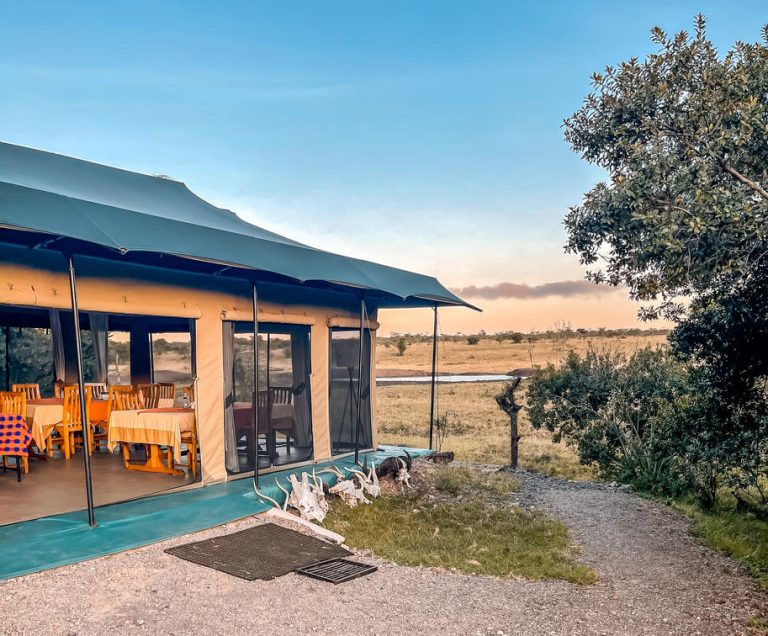
Suggested Kenya Safari Itineraries from India
Every trip we plan is tailor-made, but it helps to see how the pieces fit together. These are illustrative shapes — starting points we will bend entirely around your dates, budget and interests — each linked to a real sample itinerary so you can see the idea in full.
The Classic First Safari — 5 to 6 Days
Fly Mumbai–Nairobi, overnight in the city to arrive relaxed, then fly to the Masai Mara for three or four nights in a conservancy or reserve camp. This is the shortest trip we would call a proper safari: enough time for the migration (in season), the big cats, and the rhythm of the bush to work its magic. Ideal for a first taste, a long-weekend-plus, or travellers short on leave.
Mara & Amboseli — 7 Days
The week that most first-timers should aim for. Three nights in the Masai Mara for predators and the migration, then a short flight to Amboseli for two or three nights of elephants beneath Kilimanjaro. Two contrasting landscapes, the two most iconic Kenyan images, and a beautifully balanced first safari.
Mara, Amboseli & Laikipia — 9 to 10 Days
For those who want the full range, add the conservancies of the north: the Mara’s plains, Amboseli’s elephants beneath Kilimanjaro, and a Laikipia conservancy for rhino, wild dog and walking or riding. A richer, wilder itinerary that shows how much variety one country holds.
The Honeymoon — 7 Days
Private conservancy camps in the Mara for exclusivity and romance, perhaps Laikipia or a Rift Valley lodge, then — as an optional extension — a beach finish on the Kenyan coast, Zanzibar, Mauritius or the Seychelles. Candle-lit dinners, private sundowners, star beds and a hammock by the ocean to end.
See a sample itinerary: Wild Romance — Kenya for Honeymooners →
The Family Safari — 10 Days
Family-friendly conservancy and lodge stays with interconnecting rooms, junior-ranger activities and gentle pacing, combining Laikipia and the Mara with a few relaxed days on the coast. Chosen entirely around your children’s ages and energy.
Kenya & Tanzania Combined — 10 to 14 Days
For the once-in-a-lifetime trip, pair Kenya’s Masai Mara with Tanzania’s Serengeti and Ngorongoro Crater — the two halves of the same great migration ecosystem — crossing between the countries by a short flight. The ultimate East African safari; see our Tanzania safaris from India for the Tanzanian side of the trip.
See a sample itinerary: Signature Safari Collection — Kenya & Tanzania →
Tell us your dates and your dream — or browse our full range of Kenya safaris and itineraries for more inspiration — and we will draw the map.
Wildlife, Game Drives & What to Expect
Kenya is Big Five country — lion, leopard, elephant, buffalo and rhino are all present, and a well-planned itinerary gives you a strong chance of seeing all of them, along with cheetah, giraffe, hippo, hyena, and a supporting cast of hundreds of species. The Mara alone holds some of the most-studied and most-visible big cats on earth.
A typical safari day follows the animals’ rhythm rather than the clock. You will head out on an early-morning game drive, often before sunrise, when predators are still active and the light is soft — usually the most productive drive of the day. You will return to camp for a leisurely brunch and the warm middle hours to rest, read or swim, before heading out again for an afternoon and evening drive that ends with a sundowner on the plains. In the private conservancies you can add night drives, where a spotlight reveals leopard, aardvark, bushbabies, genets and other creatures the day never shows, and guided walking safaris that put you on foot with an armed ranger and a Maasai guide.
Your guide makes or breaks the experience, and this is where our knowledge of individual camps and their teams earns its keep. A brilliant guide reads the tracks, anticipates the light, positions the vehicle for the photograph, and turns a good sighting into a great story. We match you to camps whose guiding we trust.
For photographers, Kenya is a dream: bring a long lens (a 100–400mm zoom is ideal), plenty of memory, and a beanbag or clamp for steadying the camera on the vehicle. Ask us about vehicles with dedicated photographic positions and about private-vehicle options so you are never waiting on someone else’s sighting.
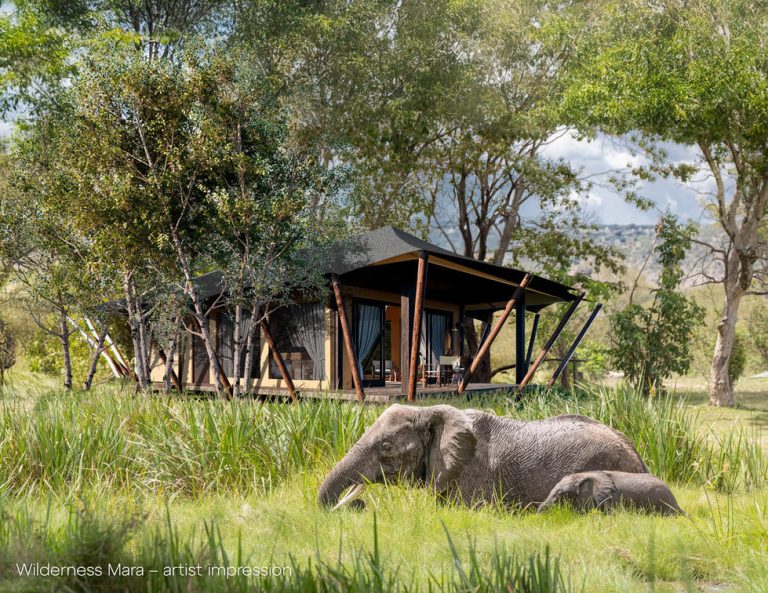
Accommodation & Camp Life
Where you sleep is a huge part of the safari, and Kenya offers an extraordinary range — from honest, good-value tented camps to some of the most celebrated lodges on the continent.
Tented camps are the classic safari accommodation, and modern ones bear little resemblance to camping as you know it: proper beds with crisp linen, en-suite bathrooms with hot showers, a mess tent for meals, and the incomparable romance of canvas walls between you and the sounds of the night. Lodges are more solid structures — stone, thatch and glass — often with pools, spas and family rooms, and they suit travellers who want a little more permanence and amenity.
The rhythm of camp life is one of the great pleasures of a safari: early wake-up calls with tea or coffee brought to your tent, hearty breakfasts, long lazy afternoons, dinners under the stars, and stories around the fire. Most camps are all-inclusive — accommodation, all meals, game drives with expert guides, and often drinks and park or conservancy fees are bundled into one nightly rate — which makes budgeting simple and the days blissfully free of decisions.
Conservancy camps deserve a special mention. Because conservancies cap the number of beds and vehicles, staying inside one buys you exclusivity, off-road access and activities that the national reserves do not permit — and your money goes directly to the communities protecting the land. For many of our travellers, a conservancy camp is the highlight of the trip.
We choose camps for the quality of their guiding, their location within the wildlife, their kitchens and their service — and, for families, for the right rooms and the right pacing for children. There is a Kenya camp for every budget and every kind of traveller, and matching you to the right ones is exactly what we do.
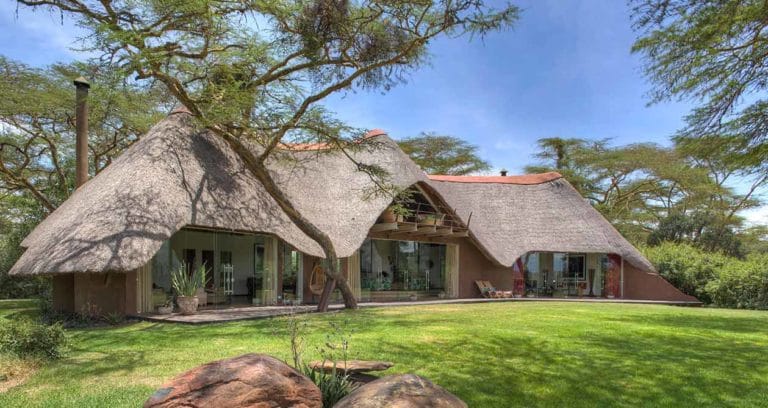
What a Kenya Safari Costs
Safari pricing can feel opaque from the outside, so here is how it really works. Almost all safari rates are all-inclusive: your daily rate covers accommodation, all meals, game drives with expert guides, and park and conservancy fees — and often drinks and internal flights too. That bundling makes a safari far better value than the headline price first suggests.
Group Tours
Around US$500–750 per person per day. Scheduled small-group departures on set dates are the most economical way to experience a first safari, sharing a vehicle and guide with a handful of other travellers.
Customised Tours
Around US$1,100–1,400 per person per day. A private, tailor-made itinerary with your own vehicle and guide, and camps chosen for you — a little less in the low season. This is the sweet spot for most of our travellers.
Luxury
US$1,500+ per person per day. The most celebrated camps and conservancies in Kenya, private guiding, and the very best of everything, for travellers who want a truly special trip.
Budgeting from India
As a rule of thumb, budget on average at least US$750–US$1,000 per person per day — so around US$4,500 to US$6,000 for a one-week safari, before international flights. Remember that this covers everything on the ground: your camp, meals, game drives and park fees. What drives the number up or down is the season, the standard of camp, and whether you fly or drive between parks. We will always give you an honest, transparent breakdown before you commit.
Visa & Entry Requirements for Indian Passport Holders
Kenya no longer issues traditional visas. Since early 2024, all visitors — including Indian citizens — must obtain an Electronic Travel Authorisation (eTA) before departure. You apply online through the official government portal, upload the required details, pay the fee, and approval typically comes through within a few days. You travel with a copy of the approved eTA. Because the system is relatively new and details can change, we always point you to the current official portal and recommend applying at least a week or two before you fly.
Passport. Your passport should be valid for at least six months beyond your intended departure from Kenya, with a couple of blank pages for stamps.
Please note: we are not able to arrange visas on your behalf — the eTA is a quick online application that you complete yourself, and requirements can change, so always check the official government portal before you travel. If you are combining Kenya with Tanzania or South Africa, see our guides to the Tanzania visa for Indian citizens and South African visa requirements for Indian citizens.
Health, Vaccinations & Safety
Yellow fever. A yellow-fever certificate is required if you are arriving from, or have transited, a country with risk of yellow-fever transmission. Because many India–Kenya routings connect through such countries, this catches some travellers out — so check your specific routing with a travel clinic well in advance, and carry your certificate. See our full guide to yellow fever vaccination requirements from India for the detail.
Malaria. Much of Kenya’s safari country is a malaria area. Anti-malarial prophylaxis is strongly recommended; your doctor or a travel clinic will advise on the right course for you. Pack a good insect repellent, wear long sleeves and trousers at dawn and dusk, and use the nets and repellents provided in camp.
Routine and recommended vaccinations. A travel clinic will typically review your routine immunisations and may recommend others depending on your itinerary — including, for some travellers, oral polio vaccination. Book your clinic appointment four to six weeks before departure. Our full Kenya health and vaccination requirements for Indian citizens guide covers all of this in one place.
Please note: we do not arrange vaccinations — please consult a doctor or travel clinic, and check the official requirements for your routing, as these can change.
On-the-ground safety. Safari itself is remarkably safe when you follow your guide’s instructions — stay in the vehicle unless told otherwise, keep noise down near animals, and respect the wildlife’s space. Camps are staffed and secure, and in unfenced camps an escort walks you to and from your tent after dark. Nairobi, like any large city, calls for ordinary urban common sense: use arranged transfers, avoid displaying valuables, and let us and your camps handle the logistics. Travel insurance with medical evacuation cover is essential, and we will remind you to arrange it.
Money, Payments & Connectivity
Currency and cash. Kenya’s currency is the Kenyan shilling, but US dollars are widely accepted for tips, curios and incidentals, and are the simplest foreign currency to carry — bring clean, newer notes (post-2013 series), as some places are wary of older bills. You will need very little cash on a fully inclusive safari.
Cards and ATMs. Major credit and debit cards are accepted at lodges, hotels and larger establishments in Nairobi and the towns, and ATMs are plentiful in cities but scarce in the bush — so sort out any cash you will want before you fly to camp. Tell your bank you are travelling so your cards are not blocked.
Tipping. Tipping is customary and genuinely appreciated. As a rough guide, budget for your guide and for the general camp staff (usually via a communal tip box) — we will give you current, sensible guidance for the camps on your itinerary, and it is easiest to carry a modest amount in US dollars for this.
Staying connected. Mobile coverage is good in and around towns and surprisingly decent in many camps; a local eSIM or SIM (Safaricom has the widest coverage) is inexpensive and easy, and most camps offer Wi-Fi in the main areas, if not always in the tents. Our honest advice, though, is to embrace the disconnection — the bush is one of the last places you can genuinely switch off.
Food, Diet & Indian Preferences
Food is one of the questions Indian travellers ask us about most, so let us be clear and honest about it.
Vegetarian food is widely and reliably available. Kenya’s camps and lodges are very used to international guests, and vegetarian meals — often excellent, using fresh local produce — are a standard part of every kitchen’s repertoire. If you are vegetarian, you will eat well.
We share your dietary preferences with every camp in advance. When we plan your trip, we flag your requirements — vegetarian, no beef, allergies, and so on — to each property so their kitchen is ready for you. Camp chefs are genuinely accommodating and will do their best to look after you.
A note of honesty on specialised diets. Remote bush kitchens work with what can be sourced and stored, sometimes flown in on small aircraft. Standard vegetarian food is no problem at all; but very strict or highly specialised dietary requirements cannot always be guaranteed to the letter in every remote camp, and we would rather tell you that plainly than promise something the bush cannot always deliver. Where diet is a particular concern, we will steer you toward camps best equipped to handle it. Many Indian travellers also like to bring a few familiar comforts — snacks, tea, a small stash of favourites — and that is easily done.
Beyond the practicalities, the food on a good safari is a pleasure in itself: fresh, generous, often garden-grown, from bush breakfasts on the plains to candle-lit dinners under the stars.
Packing, Luggage & Clothing
Luggage. If any of your internal travel is by light aircraft — as most Kenya safaris involve — you are limited to roughly 15 kg per person in a soft-sided bag (no hard frames or wheels, which will not fit the small holds). This surprises first-timers, but it is easily managed. We brief you precisely on your itinerary’s limit, and camps offer same-day or overnight laundry, so a few days’ clothes is plenty.
Clothing. Pack in neutral colours — khaki, olive, brown, beige — and avoid bright white (shows dust) and dark blue or black (which can attract tsetse flies in some areas). Days are warm to hot; early mornings and evenings can be genuinely cold, especially on the open plains and at altitude, so layers are essential: t-shirts and light long-sleeves, a warm fleece or jacket, and a windproof layer for open game-drive vehicles. A wide-brimmed hat, good sunglasses and high-factor sunscreen are non-negotiable.
The rest. Comfortable closed shoes for walking, sandals for camp, swimwear (many camps have pools), a small daypack, binoculars, your camera and long lens, spare batteries and memory, a headtorch, personal medications in your hand luggage, insect repellent, and a light rain layer in the green seasons. Most of the small things you forget can be borrowed or bought — but bring your prescriptions, your eyewear and your camera gear yourself.
Safety, Emergencies & Practical Concerns
Kenya is a well-established, welcoming safari destination that has hosted travellers for generations, and the overwhelming majority of trips pass without incident. A few sensible practicalities are worth knowing.
In the bush, follow your guide — the single most important safety rule. Stay in the vehicle around animals unless your guide invites you out, keep still and quiet at close sightings, and respect the fact that this is genuinely wild country. Camp staff will escort you after dark in unfenced camps.
Medical cover and evacuation. Serious medical facilities are concentrated in Nairobi, so comprehensive travel insurance that includes emergency medical evacuation is essential — many camps are members of flying-doctor schemes that can airlift a guest to Nairobi if needed, but insurance is your backstop and we will not let you travel without it.
In the cities and in transit, ordinary urban common sense applies: use pre-arranged transfers (which we organise), keep valuables out of sight, and avoid walking around unfamiliar areas at night. We handle the logistics end to end so you are never left to navigate a strange city alone.
Our support. From the moment you land to the moment you fly home, you have a real person to call. We stay in touch on WhatsApp before, during and after your trip, and we work with camps and ground handlers we know and trust, so if a flight shifts or a plan needs adjusting, it is handled quietly on our end.
Family, Women & Senior Travellers
Families
Kenya is one of the world’s great family destinations. Many camps welcome children, offer interconnecting or family tents, run junior-ranger and cultural activities, and adjust game-drive lengths for younger attention spans; some have minimum-age policies, especially in walking and conservancy camps, so we match you to properties that genuinely suit your children’s ages. The wonder on a child’s face at their first elephant is one of the great rewards of this job, and a safari is an education no classroom can match.
Women Travellers
Whether solo, in pairs or in groups, women find Kenya’s safari world welcoming and well-supported. You are looked after within a structured environment — met at the airport, escorted between camps, and hosted by professional teams — and we are always a WhatsApp message away. Many of our travellers are women planning trips for themselves, their friends and their mothers, and we plan accordingly.
Senior & Multi-Generational
Safari is very achievable at a gentle pace. We choose camps with easy access and comfortable rooms, favour fly-in over long bumpy drives where mobility is a concern, build in rest, and pace the days to suit. A grandparents-to-grandchildren safari, three generations sharing the same sundowner, is one of the most rewarding trips we plan — and Kenya, with its easy access and reliable game, is the ideal place for it.
A Few Kenya Camps We Love
Prices are per person per night, fully inclusive.
Encounter Mara
An intimate Asilia camp in a private conservancy bordering the Masai Mara — walking, night drives and superb big-cat country, away from the crowds.
Wilderness Mara
Relaunched in 2026 in a wildlife-rich corner of the Mara Triangle — sweeping plains, classic tented luxury and the migration on its doorstep.
Kicheche Mara Camp
An award-winning, owner-run tented camp in the exclusive Mara North Conservancy — outstanding guiding and big cats without the crowds.
Solio Lodge
A stylish lodge on a private rhino sanctuary between Mount Kenya and the Aberdares — among the best places in Africa to see black and white rhino.
Angama Mara
Suspended above the Great Rift Valley with one of the most celebrated views in Africa — the honeymoon icon of the Masai Mara.
Combining Kenya with the Coast, Tanzania & the Islands
One of the joys of a Kenya safari is how naturally it extends into a longer, richer holiday, and for travellers coming all the way from India, it often makes sense to combine.
The Kenyan coast. After the dust and drama of the bush, the white sand and warm Indian Ocean of Diani, Watamu or Lamu are the perfect antidote. A short flight from the safari areas puts you on the coast the same day, and a few nights of snorkelling, dhow sailing and doing very little rounds off a safari beautifully — especially for honeymooners and families.
The islands. Zanzibar is an easy hop and pairs spice-island history with idyllic beaches; Mauritius and the Seychelles are within comfortable reach for a more polished beach finish. Adding an island leg turns a safari into a complete two-centre holiday.
Tanzania. Kenya’s southern neighbour holds the other half of the migration ecosystem — the Serengeti, the Ngorongoro Crater, and the calving grounds of the southern plains. A Kenya–Tanzania combination, crossing by a short flight, is the definitive East African safari — see our Tanzania safaris from India for the other half of the trip.
Rwanda. A short flight from Nairobi brings you to Volcanoes National Park for mountain gorilla trekking — a natural pairing with a Kenya safari for travellers who want primates alongside the plains — see our Rwanda safaris from India for that side of the trip.
Because we plan across the whole region, you are never boxed into a single country. We will tell you honestly when adding a leg is worth it and when it is better to go deeper in one place — and we will make the joins invisible.
When & How to Book Your Kenya Safari
How far ahead to book. The best camps — especially in the Mara during the July-to-October migration, and over the Christmas and New Year weeks — sell out six to twelve months ahead. If your dates are fixed around school holidays or a honeymoon, the earlier you talk to us, the better the choice you will have. For green-season and shoulder travel, a few months’ notice is usually ample, and last-minute trips are sometimes possible — just ask.
How the planning works with us. It begins with a conversation, not a quote. We want to understand who is travelling, what you dream of seeing, how you like to travel and what you would like to spend — and from there we build a tailor-made itinerary, talk it through with you, refine it, and only firm it up once it is right. You deal with a real person throughout, on email and WhatsApp, from the first idea to the moment you land home.
Payment and peace of mind. Camps are held with a deposit and balances fall due before travel; we lay out the schedule and the terms transparently, with no surprises. And because we have relationships with the camps and ground handlers, if a flight time shifts or a plan needs adjusting once you are travelling, it is handled quietly on our end.
When to start. The honest answer is: as soon as you are seriously considering it. Even if your dates are a year out, an early conversation lets us hold the right camps and shape the trip properly. Reach out whenever the idea takes hold — we love the early dreaming as much as the final details.
Questions Indian Travellers Ask
How long is the flight from India to Kenya?
Kenya Airways flies direct from Mumbai to Nairobi in about seven hours. From Delhi, Bengaluru, Chennai and Hyderabad you take one convenient stop via Dubai, Doha, Abu Dhabi, Muscat or Addis Ababa, for a total journey of roughly nine to twelve hours.
Do Indian citizens need a visa for Kenya?
Yes — but not a traditional visa. Kenya now requires an online eTA (Electronic Travel Authorisation), applied for before departure via the official government portal. Requirements can change, so always check the official portal before you travel.
When is the best time to visit Kenya from India?
July to October is prime time for the Great Migration and the Mara River crossings. April–May is the green season — lush, quiet and excellent value, and it lines up with summer school holidays in parts of India. December to February is warm, dry and superb for big cats, though the Christmas and New Year weeks are very expensive.
How much does a Kenya safari from India cost?
Budget on average at least US$750 per person per day — around US$4,500 for a one-week safari, before international flights. Small-group tours run around US$500–750 per person per day, customised private itineraries around US$1,100–1,400 (a little less in low season), and the luxury icons US$1,500 and up. Rates are all-inclusive: accommodation, all meals, game drives and park fees.
Is Kenya suitable for families and honeymooners?
Absolutely — it is one of the great family and honeymoon trips. We choose family-friendly camps with the right rooms and pacing for children, and romantic, private-conservancy camps for couples. Vegetarian meals are available at almost every camp in Kenya.
Will I find vegetarian food in Kenya?
Yes. Vegetarian food is widely and reliably available, and we share your dietary preferences with every camp in advance so their kitchen is ready for you. Very strict or highly specialised diets cannot always be guaranteed in remote bush kitchens, so we set expectations honestly and steer you toward the camps best equipped to look after you.
Fly-in or road safari — which is better?
Fly-in safaris turn long drives into short flights, keep you fresh and maximise time in the wild, and are our usual recommendation for the Mara and the north (with a ~15 kg soft-bag luggage limit). Road safaris cost less and let you see the country change, and suit tighter budgets or parks close to Nairobi. Many of the best itineraries combine both.
Why book Kenya through Chalo Africa rather than online?
Because we understand Africa and India equally well — and we have been doing this for almost a decade and a half. Planning a safari means understanding conditions on the ground: the weather, the wildlife patterns, which camp is right in which month. Booking engines and AI tools do not understand Africa, even when they pretend to — they generalise, and Africa punishes generalisation.
Let’s Plan Your Kenya Safari
Tell us how you like to travel and we’ll design a journey to match — the right camps, the right season, and the best value from India. No obligation, just expert advice from people who know Africa and India equally well.