
Best Time to Visit Madagascar
Planning a trip to Madagascar? And wondering what time of the year is the best time to visit? Madagascar is perfect to during the dry season, which coincides with the visibility of baby lemurs and humpback whales. Read on to know more about the weather and climate of Madagascar.
When to Go?
Best Time to Visit Madagascar
Madagascar is best to visit during the dry season, usually from April to November. It is best to avoid the rainy season beginning in December and extending till March.
Seasons of Madagascar
Broadly speaking, these are the seasons of Madagascar:
- Dry Season: April to November
- Rainy Season: December to March
Where to Go in Madagascar – Month by Month
- January to March: Avoid due the rains
- April: Is considered peak season and so can be avoided.
- July to September: Best for humpback whales
- September to December: Best for beaches
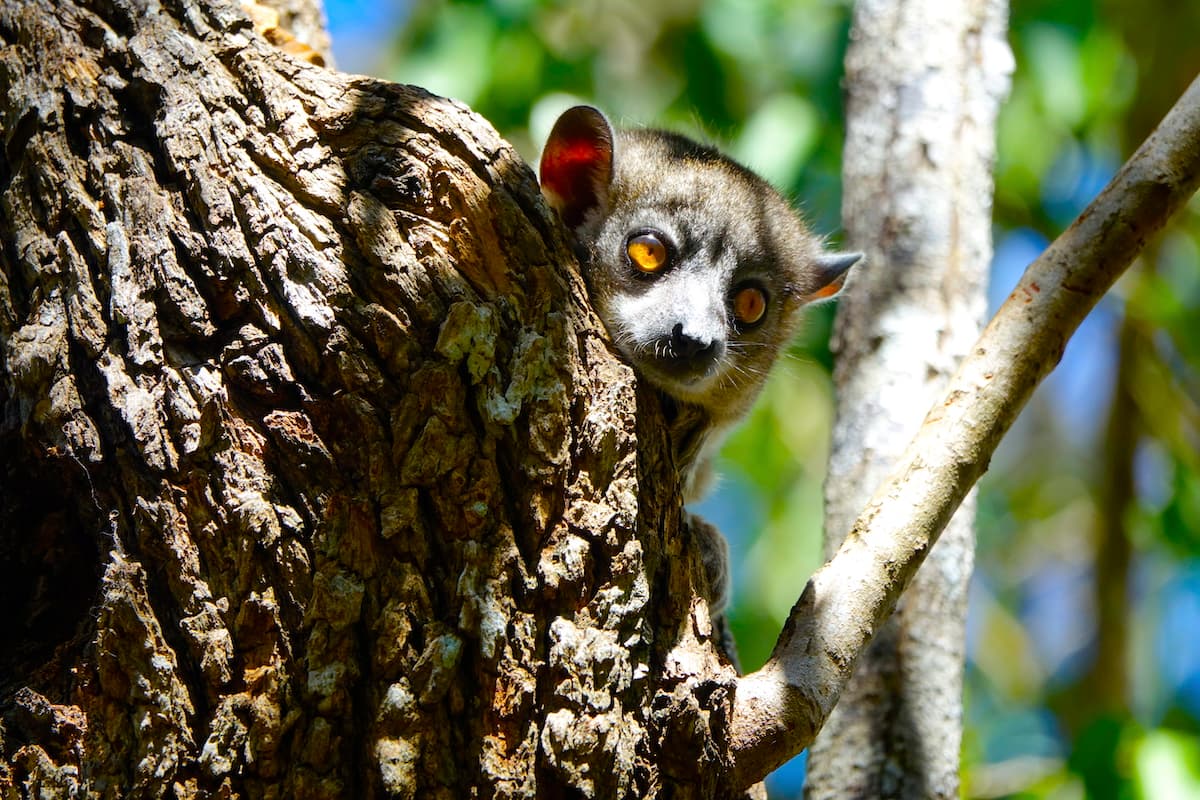
- October to November: Best for baby lemurs. Adult lemurs can be seen throughout the year.
Climate
Climate of Madagascar
Madagascar has two principal climates: the hot, humid period from November – April, which witnesses monsoons in the northwest region, and the cool, dry season from May – October, where trade winds grow stronger. During the year, the lowest temperatures on the island occur in July and the highest in December. Tropical cyclones are a key feature of Madagascar’s climate and form over the Indian Ocean, arising along the east coast.
Still deciding where to go?
Knowing when to travel is half the decision; the other half is where. Our guide to African safari destinations puts every country we work in side by side — what each is best for, the best months to visit, how long to allow and what a trip starts at — so you can see how Madagascar compares before you commit.
Best time to visit Madagascar: common questions
When is the best time to visit Madagascar?
September to November, and that is a genuinely different answer from the dry season. It is simultaneously the end of whale season, peak lemur birthing, the least-wet window on the biodiverse east coast, dry in the west, and outside the July to August European peak. If a Madagascar page makes one recommendation, this is it.
When can I see baby lemurs?
September and October. Ring-tailed lemurs give birth in September and by October there are infants everywhere, clinging to their mothers’ backs and bellies — the most photographed image in Malagasy wildlife, and it exists for a few weeks a year. Birthing is synchronised but not to the day and varies by species; ring-tails are the tightest-synchronised, and indri and sifaka differ.
Is the dry season really the best time for wildlife?
Not for the wildlife you probably came for. Madagascar’s headline endemics are largely reptiles, amphibians and nocturnal lemurs, and cool dry June to August is when reptile activity is at its lowest. Chameleons, leaf-tailed geckos and the mantella frogs of the eastern rainforests are most active from October to December. The conventional dry-season advice optimises for road conditions rather than for animals. A herpetology-minded guest should travel in November, not July.
When can I see humpback whales?
Off Île Sainte-Marie, whales arrive at the end of June or beginning of July to calve and tend their young and have largely departed by late September — so July to September, peaking in August. Antongil Bay off Masoala is the other major calving ground. Numbers vary week to week within the season.
Which months should I avoid in Madagascar?
January to March, unambiguously. Cyclones make landfall on the east coast, roads wash out, lodges shut across the east and northeast, and Masoala is effectively closed. Cyclones can form from November to mid-May but are most likely from late December to mid-April. The southwest stays relatively dry throughout, but roads elsewhere still constrain access to it.
Does the whole island have the same seasons?
No, and the divergence is extreme — this is the most important thing to understand about Madagascar. The east coast gets around 3,200mm a year and it rains in every month, so selling Masoala or Andasibe as a dry-season destination sets you up to be surprised. The west around Morondava has a short wet from December to February and a very long dry from April to November. The arid southwest gets around 360mm a year. One more planning note: Madagascar’s binding constraint is domestic aviation rather than weather — internal flights are limited and prone to change, and that compresses itineraries far more than rain does.