
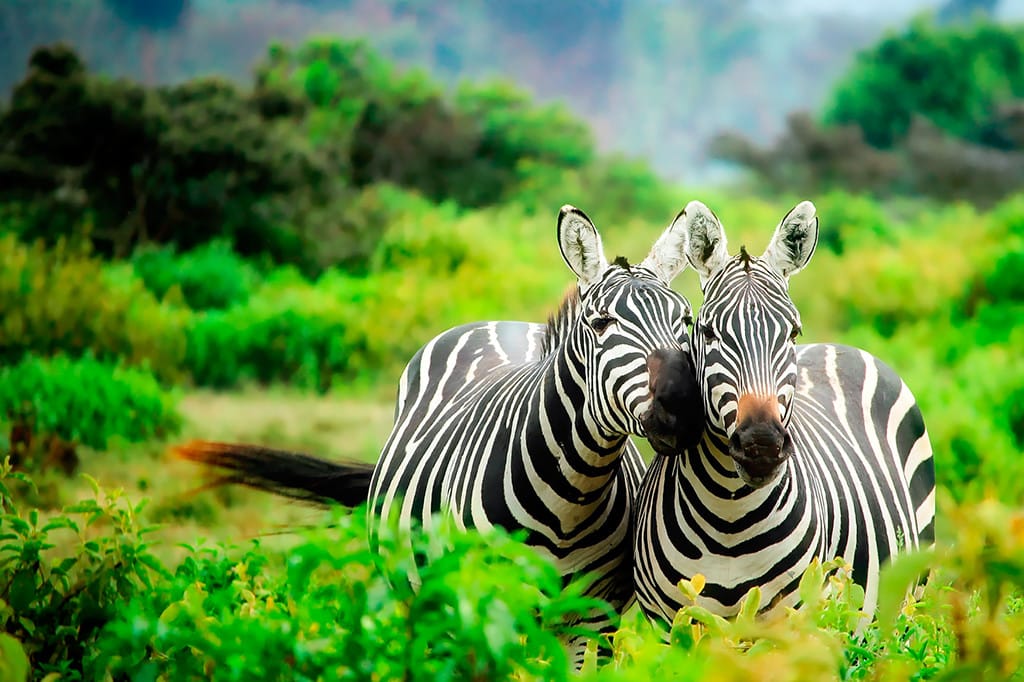
Kenya Safari Tours from India
Looking for a wild, untamed experience? Endless savannahs, big African skies,and a family of slumbering lions? A stampede of wildebeest seeking green pastures? Then you could choose no better than Kenya for your next wildlife safari tour!
Table of Contents
- Understanding Kenya Safaris From India
- Flights & Accessibility
- Best Time to Visit Kenya
- Visa & Entry Requirements for Indians
- Health, Vaccinations & Safety
- Money, Payments & Connectivity
- Food, Diet & Indian Preferences
- Getting Around Kenya (Road vs Fly-In)
- Accommodation & Camp Life
- Wildlife, Game Drives & What to Expect
- Packing, Luggage & Clothing
- Safety, Emergencies & Practical Concerns
- Family, Women & Senior Travellers
- Money, Budget & Tipping
- Connectivity & Devices
- Safari Activities & Experience
- Accommodation Comfort & Luxury Options
- Planning & Booking
Understanding Kenya Safaris From India
Kenya is one of the easiest, quickest and most rewarding African safari destinations for Indian travellers. From India, the country feels surprisingly close: direct flights are short, visas are simple to obtain, and Kenya’s tourism ecosystem is extremely well-established.
Safaris are immersive, safe, comfortable, and peaceful—perfect for couples, families, seniors, groups, and solo women. Nairobi feels similar to any major Indian metropolis, but the moment you leave the city, the landscapes open into golden savannahs, volcanic highlands, forests and river systems alive with wildlife. The bush is deeply calming and spiritually grounding.
Flights & Accessibility
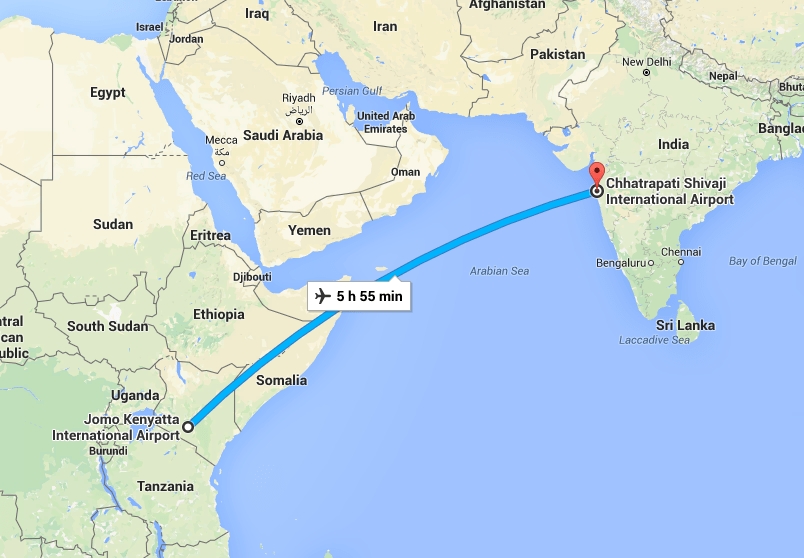
Kenya is surprisingly close to India and there are well-connected flights daily from major Indian cities. A direct flight takes only 6 hours.
Direct Flights From India
- Delhi → Nairobi: ~6.5 hours
- Mumbai → Nairobi: ~6 hours
Kenya Airways operates regular direct flights between Delhi/Mumbai and Nairobi.
IndiGo also flies directly from India to Nairobi, with recent flights operating from Delhi, Mumbai and Bengaluru.
Air India has operated direct and seasonal services between India and Nairobi as part of its expanding international network.
One-Stop Flights From Other Indian Cities
From Bengaluru, Chennai, Hyderabad, Kochi, Kolkata, Pune, Goa, and Ahmedabad, flights usually take 9–12 hours with smooth layovers via:
- Emirates
- Qatar Airways
- Etihad
- Ethiopian Airlines
Travelling within Kenya on your safari
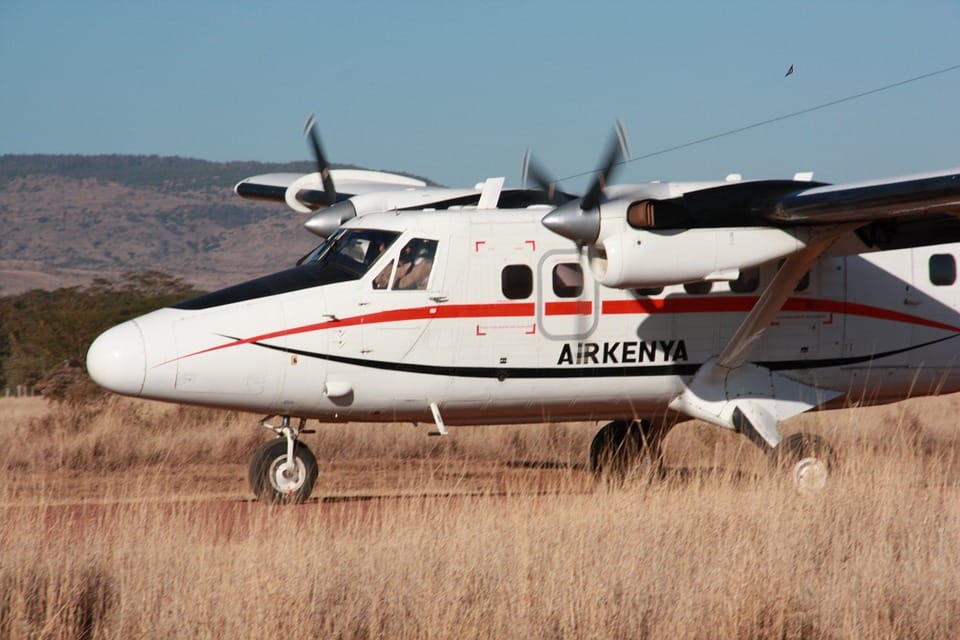
The easiest way to get around in Kenya is to take a small bush flight to your next destination. This is called a fly-in safari. We recommend this option because roads in rural Kenya are often bumpy and dusty, and it takes quite long to get around. Since most safari game drives happen in a vehicle, you’ll also end up spending too much time within a vehicle, getting tired by the time you arrive within the national park or game reserve.
When you arrive in Nairobi, our representative can take you to Wilson Airport where you will catch your flight.
Alternatively, you can do an overland safari, meaning you will drive to your next destination in a 4×4 vehicle. While this option takes longer, you get to see more of rural Kenya and it works out to be more cost effective for groups of 4 persons or more.
Best Time to Visit Kenya
Kenya is a year-round safari destination, but different months offer different advantages.
Peak Season (July to October, and Christmas/New Year)
This is the most popular time to visit Kenya.
The Great Migration takes place from July to early October, and these months have excellent wildlife viewing. August and September are considered the very best time in the Maasai Mara to see the migration, especially the river crossings.
Christmas and New Year are also peak season because the weather is dry, sightings are good, and many families travel during this holiday period.
Shoulder Season (Early June and November to March)
This season still has very good wildlife viewing.
Animals are active, the grasses are not too tall, and camps have better availability compared to peak season.
This time is popular for travellers who want great sightings without crowds.
January to March is also a strong period for big cats—you will see them year-round, but this window is especially good.
Most Affordable Season (April and May – Long Rains)
These two months are the rainy season in Kenya and are the most affordable time to go on safari.
Camps reduce prices, park fees are lower, and the parks are not crowded.
Rain usually comes in bursts, with sun in between. You will still be able to go on safari because the rain does not stop activities.
However, the grass in the Maasai Mara main reserve becomes very tall in April and May. This makes sightings more difficult. For this time of year, it is best to stay in a Mara conservancy, where cattle grazing keeps the grass shorter, making wildlife easier to spot.
Visa & Entry Requirements for Indians
Kenya ETA for Indian Travellers
Indian passport holders must apply for an ETA (Electronic Travel Authorisation) before travelling to Kenya. It is an online process.
It takes about a week to get approved, so apply in advance.
Visa on arrival is not recommended anymore, because the ETA system has replaced it for most travellers and reduces delays at immigration. Please apply from the official Kenya Government site (https://etakenya.go.ke) — and not from unofficial sites.
Passports need to have 6 months validity and at least 2-4 consecutive blank pages.
Health, Vaccinations & Safety
Yellow Fever Vaccination
Indians require a Yellow Fever vaccination when travelling to Kenya.
Kenya itself is a Yellow Fever–endemic country.
While Yellow Fever is not known to occur in much of the eastern portion of the country and the cities of Nairobi and Mombasa, it has been known to occur in the rest of the country. So if your itinerary will take you out of these eastern, Yellow Fever–free zones, it is absolutely recommended that you be vaccinated.
In addition, because Kenya is considered an infected area, most countries will require proof of Yellow Fever vaccination upon entry if you have recently been in Kenya.
This is important for Indians because many travellers combine Kenya with other international or African destinations.
Malaria Precautions
Most of Kenya lies in a moderate-risk zone for malaria.
The exceptions are Nairobi and the highlands.
Risk of transmission is year-round.
It is similar to India in that way, so you must take similar precautions. Using mosquito repellent, long clothing, and talking to your doctor about preventive medication are all standard steps.
Oral Polio Vaccination
Oral polio vaccination is no longer required for Indians travelling to Kenya and returning to India.
This simplifies the pre-travel process for Indian tourists.
Is Kenya Safe for Tourists?
Kenya is a very safe safari destination when you follow normal guidelines and listen to your guide. The safety standards inside safari lodges and camps are high, and staff are trained specifically for bush conditions, wildlife behaviour, and emergency situations.
In metros like Nairobi, you need to be aware of your surroundings just like you would in any other Indian city. Basic precautions apply. In the bush, you have to be respectful of nature and wildlife. Guides are highly experienced and know how to keep guests safe. You should expect your safari to be a time to reconnect with nature — not a destination for nightlife or partying.
Are National Parks Safe for Families?
Yes, national parks are safe for families.
However, we recommend safaris only for children above 5 years. This allows them to appreciate wildlife more closely without endangering themselves or others.
Younger children may not understand how to stay quiet around animals, and long game drives may be tiring for them.
Emergency Services Inside Safari Lodges
Guides, askaris (trained night guards), and camp staff are well-equipped to handle all kinds of emergencies:
- wildlife coming near your tent
- bugs inside the tent
- minor injuries
- unexpected medical issues
We can take care of these situations quickly and calmly. We also always include AMREF (Flying Doctors evacuation cover) in all our safaris for additional reassurance.
What Happens if an Animal Comes Near the Vehicle?
Stay calm.
Do not stand.
Be quiet and respectful.
Listen to the guide at all times.
Animals see the vehicle as one large object and usually ignore it. Following the guide’s instructions ensures safety.
Is It Safe to Drink Water in the Camps?
Yes. Camps will always provide safe drinking water separately in all tents.
If you need more, please let the camp staff know during daylight, as night movements are limited for safety.
Are Insects a Problem?
Always carry mosquito spray like Odomos with you.
Most parks like the Masai Mara do not have too many insects.
If, however, you go to more tropical parks like Meru National Park or stay near the coast, there will naturally be more bugs.
Are Safaris Safe for Elderly Travellers?
Yes, absolutely.
The only consideration is that safaris can involve long hours in a vehicle, and some parts of the journey may be bumpy.
If you have back issues, we recommend fly-in safaris, where you take small aircraft between parks instead of road transfers.
Money, Payments & Connectivity
Handling money and payments in Kenya is straightforward once you know what to expect. Most expenses on safari are prepaid, but it is still important to carry some cash for tips and small purchases. Connectivity varies depending on where you are, so plan for limited mobile network inside national parks.
Currency and Using Money in Kenya
Indian Rupees cannot be exchanged in Kenya.
It is recommended to carry USD if you wish to exchange money or make small payments. USD is widely accepted across hotels, camps, and tourist services.
Cards will work in big cities like Nairobi, especially in malls, hotels, and restaurants.
There are plenty of ATM machines in Nairobi, so you can withdraw Kenyan Shillings (KES) before heading out on safari.
ATMs are not available inside national parks, so you must withdraw cash beforehand.
It is best to have some Kenyan Shillings on you for:
- small purchases
- local shops
- tipping camp staff
- paying for snacks or souvenirs during road transfers
How Much Cash Should I Carry?
You should budget for around USD 30 per person per day, mainly for tipping.
Most other things are already prepaid as part of your safari package.
Can I Prepay Everything?
Most things are prepaid when you book a safari.
If you are on a road safari, you may want to stop at local convenience stores for refreshments.
Your main expenditure after that will be tips for guides and lodge staff.
Are Safaris Very Expensive for Indians? Why?
Safaris involve many costs behind the scenes: trained guides, conservation fees, remote logistics, vehicles, fuel, and staff.
This is why safaris seem expensive, but the experience and safety standards justify the cost.
Is It Cheaper to Book Locally Instead of From India?
No, it is not cheaper to book directly in Kenya.
All camps have fixed rates.
An operator in Kenya will offer you the same rates as an operator in India or the US.
This is important for building trust — prices do not vary based on location.
Food, Diet & Indian Preferences
Food on safari is generally excellent, and accommodation ranges from comfortable to luxurious depending on the camp. Many Indian travellers worry about vegetarian food, Jain food, Indian flavours, and general comfort, so this section expands on all your original points in simple language.
Vegetarian and Jain Food on Safari
You can most certainly get vegetarian food at all safari camps.
The chefs are used to catering to international travellers and can prepare vegetarian meals easily.
For Jain food, camps can accommodate this as well, but you must inform us in advance so the kitchen can plan accordingly. Jain dietary restrictions require more specific preparation, so advance notice ensures the camp does it properly.
Do Camps Serve Indian Masala Tea?
Generally, camps will offer hot tea, coffee, or hot chocolate.
Indian masala tea is usually not available unless you are staying in bigger hotel chains. Camp tea is still very good, but it is not the Indian-style masala chai many people expect.
Food Style in Safari Camps
In smaller camps, the food is usually continental or fusion-style, with fresh soups, breads, salads, pastas, grilled dishes, and desserts.
It is delicious, but it is not Indian food unless you are in a large hotel group like Serena or Sopa.
Spice levels are mild, but you can always request Tabasco or chilli flakes if you prefer a little heat.
Can I Get Indian Food on Safari?
Yes, if you stay in the large hotel chains such as Serena Hotels or Sopa Hotels, where chefs can prepare Indian-style dishes.
In smaller safari camps, expect continental meals. These camps focus on authenticity and bush dining, not Indian cuisine.
Getting Around Kenya (Road vs Fly-In)
Getting around in Kenya during a safari is very straightforward once you understand the difference between road safarisand fly-in safaris. Both are safe and comfortable, and both offer excellent wildlife viewing. The right choice depends on your budget, the parks you want to visit, and how much time you prefer to spend in a vehicle.
Do I Need to Overnight in Nairobi Before Safari?
It is always recommended to spend one night in Nairobi at the start of your safari.
Airlines can sometimes be late, and some carriers (for example, Ethiopian Airlines) are known for luggage arriving a day late.
If your bags are delayed, staying overnight gives them time to reach you before you depart for the bush.
You should also carry one set of clothes and essential medicines in your carry-on luggage.
This ensures you can head out on safari the next morning even if your checked baggage arrives later.
How Long Are Road Transfers Between Parks?
Road transfers between parks usually take 4–6 hours.
Some can be a bit longer, depending on which parks you are visiting and road conditions.
If the drive is expected to be very long or tiring, we will recommend flying instead, which saves time and keeps the journey comfortable.
Are the Roads Very Bumpy?
Between parks, the main roads are generally good.
However, inside the national parks, the roads are bumpy mud tracks.
This is completely normal on safari — it is part of the experience.
The bumpiness increases during rainy months, but guides are skilled at navigating these tracks safely.
Is Motion Sickness an Issue?
If you are taking small Cessna flights (the aircraft used for fly-in safaris), it is recommended to carry motion sickness patches or tablets.
These flights are perfectly safe, but small planes can feel more movement compared to commercial aircraft.
Accommodation & Camp Life
Safari accommodation in Kenya ranges from simple tented camps to ultra-luxury lodges. Even the most rustic properties are safe, well-run, and surprisingly comfortable. Most Indian travellers are pleasantly surprised when they see how well-designed safari tents are and how efficiently camps operate deep in the wilderness.
Are safari tents basic or comfortable?
Safari tents are much more comfortable than people imagine.
Some high-end camps feel like very fancy hotels — true glamping — with beautifully made beds, wooden furniture, rugs, and thoughtful decor.
More modest camps still provide proper beds, bedside tables, charging points in common areas, and warm hospitality.
Canvas walls help you feel connected to nature while still being safe inside your tent.
Do safari tents have private bathrooms?
Yes, absolutely.
Most safari tents come with a private bathroom that includes a dedicated shower area, toilet area, and basin area.
These are usually separated by canvas partitions that give complete privacy.
Hot water is normally available on schedule or on request, and showers are comfortable.
Are rooms air-conditioned?
Some lodges and large hotel chains offer full air-conditioning.
Smaller safari camps generally do not have air-conditioning because they run on solar power and follow eco-friendly practices.
However, nights cool down nicely in most safari regions, so AC is rarely needed.
Are camps fenced or unfenced?
You will find both types.
- Fenced camps keep wildlife completely outside the property and feel more controlled.
- Unfenced camps allow wildlife to roam freely through the area — this is the classic safari experience.
Unfenced camps may sound intimidating but are completely safe.
A trained askari (night guard) escorts guests after dark to ensure safety.
Will animals roam around the camp?
Yes, in unfenced camps you may hear or occasionally see animals walking near your tent.
This is normal and safe.
Camps are designed to protect guests even while wildlife moves through the area.
Askari escorts and staff training ensure that guests are never at risk.
What are the toilets like during a game drive?
Many Indian travellers worry about this.
During a game drive, the “toilet” is the open bush — either behind a large bush or behind the vehicle itself.
Guides choose a safe, discrete spot.
Women travellers often find this easier than expected, and it becomes a standard safari routine.
The humorous safari term for this is “checking tyre pressure.”
Will there be electricity all the time?
Not in all camps.
Some camps run fully on solar power, which means electricity may be limited to certain hours.
Charging points are usually available in the tents or in the main lounge area.
High-end camps sometimes have 24/7 power, but many prefer eco-friendly systems.
Do tents have fans?
Some camps do provide fans, often solar-powered.
Others may not, especially if they rely on limited electricity.
The need for a fan depends on the time of year — evenings in July to October are cool, while February and March can be warmer.
Are camps like hotels or more rustic?
This varies by camp.
High-end camps can feel like boutique hotels in the wilderness, with exceptional service and luxury touches.
More basic camps are simpler but still clean, comfortable, and welcoming.
In almost all cases, the charm of safari camps lies in their connection to nature rather than hotel-style amenities.
Wildlife, Game Drives & What to Expect
Kenya is one of the best wildlife destinations in the world, and most travellers from India want to know exactly what they will see, how game drives work, and what the overall experience feels like. This section keeps all your original details and adds clear, simple explanations.
Will I definitely see lions?
Most certainly.
Lions are common in the Maasai Mara, and sightings are extremely reliable. Guides know where prides usually rest, hunt, and move, so your chances of seeing lions are very high.
Can I see leopards and cheetahs?
Most likely, yes.
Leopards are shy and may take a little time to find, but Mara guides are excellent at tracking them.
Cheetah sightings are also common — the open plains of the Mara and conservancies are ideal cheetah habitat.
In the Maasai Mara, you will most likely see lions, leopards, and cheetahs during your stay.
What is the Big Five?
The term comes from old hunting terminology.
The Big Five refers to the five most dangerous animals to hunt on foot: lion, leopard, elephant, Cape buffalo, and rhino.
It does not refer to the five biggest animals.
Safaris today are about conservation, but the name has stayed because these species are iconic.
When is the Great Migration?
The Great Migration takes place from July to early October.
The best time to see dramatic river crossings in the Maasai Mara is August and September.
Is January–March good for big cats?
Yes, big cat sightings are good year-round, including January to March.
Grass levels are moderate, visibility is good, and cats are active.
Can I request specific animals, like leopards?
No.
You cannot “order” a specific animal sighting — wildlife is unpredictable.
Keep your eyes open, trust your guide, and enjoy the entire experience rather than chasing a checklist.
How many game drives will we do per day?
Usually two game drives per day:
- one early morning
- one late afternoon
Some camps allow three shorter drives, depending on the reserve rules.
Full-day game drives are possible but require a private vehicle.
Are safaris very early in the morning?
Yes.
Expect a wake-up call before sunrise. You’ll have tea or coffee and head out immediately as the sun rises.
This is when animals are most active.
How long is each game drive?
Typically 3–4 hours each.
Morning and afternoon drives cover different parts of the park and provide different wildlife behaviours.
Is a hot air balloon safari worth it?
Absolutely.
It is expensive (around USD 500 per person), but it is a once-in-a-lifetime experience — floating above the Mara at sunrise with herds below you is unforgettable.
Is the grass too tall in April–May? Does it affect sightings?
Yes, the grass in the Maasai Mara main reserve grows very tall during the long rains, making sightings harder.
During April–May, it is best to stay in a Mara conservancy where cattle grazing keeps the grass shorter, resulting in better wildlife viewing.
What happens if an animal comes near the vehicle?
Stay calm.
Do not stand.
Be quiet and respectful.
Listen to your guide at all times.
Animals see the safari vehicle as one big harmless shape and usually ignore it.
Are safari animals dangerous?
Animals are dangerous only if provoked or if safety rules are not followed.
A good guide can read an animal’s mood and behaviour instantly.
Lions charging or elephants attacking are extremely rare during properly guided game drives.
Packing, Luggage & Clothing
Kenya is one of the best wildlife destinations in the world, and most travellers from India want to know exactly what they will see, how game drives work, and what the overall experience feels like. This section keeps all your original details and adds clear, simple explanations.
Will I definitely see lions?
Most certainly.
Lions are common in the Maasai Mara, and sightings are extremely reliable. Guides know where prides usually rest, hunt, and move, so your chances of seeing lions are very high.
Can I see leopards and cheetahs?
Most likely, yes.
Leopards are shy and may take a little time to find, but Mara guides are excellent at tracking them.
Cheetah sightings are also common — the open plains of the Mara and conservancies are ideal cheetah habitat.
In the Maasai Mara, you will most likely see lions, leopards, and cheetahs during your stay.
What is the Big Five?
The term comes from old hunting terminology.
The Big Five refers to the five most dangerous animals to hunt on foot: lion, leopard, elephant, Cape buffalo, and rhino.
It does not refer to the five biggest animals.
Safaris today are about conservation, but the name has stayed because these species are iconic.
When is the Great Migration?
The Great Migration takes place from July to early October.
The best time to see dramatic river crossings in the Maasai Mara is August and September.
Is January–March good for big cats?
Yes, big cat sightings are good year-round, including January to March.
Grass levels are moderate, visibility is good, and cats are active.
Can I request specific animals, like leopards?
No.
You cannot “order” a specific animal sighting — wildlife is unpredictable.
Keep your eyes open, trust your guide, and enjoy the entire experience rather than chasing a checklist.
How many game drives will we do per day?
Usually two game drives per day:
- one early morning
- one late afternoon
Some camps allow three shorter drives, depending on the reserve rules.
Full-day game drives are possible but require a private vehicle.
Are safaris very early in the morning?
Yes.
Expect a wake-up call before sunrise. You’ll have tea or coffee and head out immediately as the sun rises.
This is when animals are most active.
How long is each game drive?
Typically 3–4 hours each.
Morning and afternoon drives cover different parts of the park and provide different wildlife behaviours.
Is a hot air balloon safari worth it?
Absolutely.
It is expensive (around USD 500 per person), but it is a once-in-a-lifetime experience — floating above the Mara at sunrise with herds below you is unforgettable.
Is the grass too tall in April–May? Does it affect sightings?
Yes, the grass in the Maasai Mara main reserve grows very tall during the long rains, making sightings harder.
During April–May, it is best to stay in a Mara conservancy where cattle grazing keeps the grass shorter, resulting in better wildlife viewing.
What happens if an animal comes near the vehicle?
Stay calm.
Do not stand.
Be quiet and respectful.
Listen to your guide at all times.
Animals see the safari vehicle as one big harmless shape and usually ignore it.
Are safari animals dangerous?
Animals are dangerous only if provoked or if safety rules are not followed.
A good guide can read an animal’s mood and behaviour instantly.
Lions charging or elephants attacking are extremely rare during properly guided game drives.
Safety, Emergencies & Practical Concerns
Packing for a Kenya safari is very different from packing for a city holiday. You need practical clothing, soft bags, and a few essential items to stay comfortable in varying temperatures and bumpy conditions. This section keeps all your points exactly as you wrote them and expands them clearly.
What colours should I wear on safari?
Wear earthy, muted colours such as beige, brown, olive, or khaki.
These shades blend well into the environment and are comfortable for game drives.
When inside the vehicle, almost any muted colour works — you don’t need a full “safari outfit.”
Avoid denim, as it attracts tsetse flies in certain regions.
Do I need a jacket?
Yes, definitely.
It gets cold during morning and evening game drives, especially in the Maasai Mara.
Carry a warm jacket, shawl, or scarf.
Dress in layers so you can remove outer clothing as the day warms up.
Are binoculars provided?
Guides always carry binoculars, but for the best experience, at least one binocular per couple is recommended.
Ideally, each person should have their own binoculars to fully appreciate wildlife sightings.
What camera lenses should I bring?
A zoom lens that allows plenty of light is ideal.
Most wildlife is at a distance, so lenses like 70–300mm, 100–400mm, or similar telephoto zooms are perfect.
Can I bring a hairdryer?
Hairdryers are not recommended in smaller camps.
Eco-friendly camps use solar power, and high-wattage appliances are usually not allowed.
Larger hotels (like Serena) may have hairdryers available.
What are the luggage restrictions on safari?
Use small soft-sided suitcases or duffel bags.
They fit better into safari vehicles and into the holds of small aircraft.
Hard-cased Samsonite-style suitcases are not recommended.
Internal charter flights have a maximum luggage allowance of 15 kg (approx. 33 lbs) per person, including hand luggage.
Should I carry snacks from India?
Yes, you can.
Many travellers bring theplas, khakhra, nuts, dry snacks, or Wai Wai noodles for comfort.
Camps offer snacks, but having a few familiar Indian items is always nice.
Family, Women & Senior Travellers
Kenya is a wonderful safari destination for families, women travellers (including solo women), and seniors. Camps are well-prepared, guides are experienced, and safety systems are strong. This section keeps all your points exactly as you originally wrote them.
Are safaris safe for young children?
We do not recommend going on safari with a child below 5 years old.
If you are travelling with a child below 5, you can either:
- get a private vehicle and take the child with you, or
- one parent can stay in camp with the child.
Some camps can arrange nannies on request.
What age limits apply at camps?
Children above 5 years are accepted in most camps.
Some camps, especially those designed for adults, only allow children above 12 years.
Are private vehicles required for families with kids?
Yes, if the child is below 5, a private vehicle is required.
If the child is above 5, shared game drives are fine and usually enjoyable.
Will kids get bored on long game drives?
You might think kids would get restless, but they actually love safaris.
Being out in nature, spotting animals, and learning about wildlife keeps them engaged.
Many children enjoy game drives even more than adults.
Is it safe for women to travel to Kenya?
Yes, of course.
Kenya is safe for women travellers, including solo women.
We regularly send solo women on safari, and we choose the best camps for this.
Is it safe for two women to travel alone?
Absolutely.
Safari environments are controlled and guided.
Camps are secure, staff are professional, and you are always accompanied by trained guides or askaris.
What about periods on safari? Are pads or tampons available?
Please carry your own sanitary products.
Pads or tampons are not easily available in safari areas.
Camps can arrange bathroom stops as needed.
Are toilet breaks available for women during game drives?
Yes.
A guide will check for a safe area, and you can go behind a bush or behind the vehicle itself.
This is very normal on safari.
Are safaris safe for elderly travellers?
Yes, absolutely.
Keep in mind that safaris involve time in vehicles and sometimes bumpy roads.
If someone has back issues or mobility concerns, fly-in safaris are recommended for comfort.
Are swimming pools safe?
Yes, they are safe, but always have an adult supervising children at all times.
Can young children eat the food at camp?
Yes, children can easily eat camp food.
Most camps offer simple options for kids if needed.
Money, Budget & Tipping
Understanding safari costs, cash needs, and tipping etiquette helps Indian travellers plan comfortably. Kenya has fixed lodge rates, structured park fees, and clear norms for gratuities. This section keeps all your points intact and expands them for clarity.
Why are park fees so high?
Park fees in Kenya are high because tourism is one of the main drivers of the Kenyan economy.
Wildlife, landscapes, and conservation areas are national treasures, and maintaining them is expensive.
High park fees help reduce overtourism and ensure that the environment stays protected.
What is typically included in safari packages?
This depends on whether you are booked on a game package or a full board package.
- Game Package: usually includes accommodation, all meals, two or three game drives daily, conservancy or park fees, laundry, house drinks (alcoholic and non-alcoholic), and internal transfers.
- Full Board Package: includes accommodation and meals but usually excludes park fees and drinks.
For a detailed comparison, you can refer to your separate post on the difference between these two packages.
Are drinks included?
In many camps, especially if you are on a game package, most beverages — including soft drinks, beer, wines, and non-premium spirits — are included.
If you’re on a full board basis, drinks may not be included and are chargeable.
How much do I tip guides, drivers, and camp staff?
Tipping is customary in Kenya and greatly appreciated.
Your recommended guidelines per couple are:
- USD 5 per day for transfer drivers (consider increasing if you received extensive help with luggage)
- USD 20 per day for general camp staff
- USD 30 per day for your guide
- USD 15 per day for your butler (if your tent has one)
These tips are typically given at the end of your stay.
You hand your guide’s tip directly to them, while tips for camp staff are placed in the central tip box.
Is it cheaper to book directly in Kenya instead of from India?
No.
All camps have fixed rates, and an operator in Kenya will offer the same pricing as one in India, the US, or anywhere else.
This ensures transparency and trust.
How much cash should I carry?
Carry around USD 30 per person per day, mainly for tipping and small purchases.
Can I prepay everything so I don’t have to carry cash?
Yes, most elements of your safari are prepaid.
If you are on a road safari, you may want to stop at small shops for snacks or water.
Other than that, your main expenses will be tips.
Connectivity & Devices
Understanding safari costs, cash needs, and tipping etiquette helps Indian travellers plan comfortably. Kenya has fixed lodge rates, structured park fees, and clear norms for gratuities. This section keeps all your points intact and expands them for clarity.
Why are park fees so high?
Park fees in Kenya are high because tourism is one of the main drivers of the Kenyan economy.
Wildlife, landscapes, and conservation areas are national treasures, and maintaining them is expensive.
High park fees help reduce overtourism and ensure that the environment stays protected.
What is typically included in safari packages?
This depends on whether you are booked on a game package or a full board package.
- Game Package: usually includes accommodation, all meals, two or three game drives daily, conservancy or park fees, laundry, house drinks (alcoholic and non-alcoholic), and internal transfers.
- Full Board Package: includes accommodation and meals but usually excludes park fees and drinks.
For a detailed comparison, you can refer to your separate post on the difference between these two packages.
Are drinks included?
In many camps, especially if you are on a game package, most beverages — including soft drinks, beer, wines, and non-premium spirits — are included.
If you’re on a full board basis, drinks may not be included and are chargeable.
How much do I tip guides, drivers, and camp staff?
Tipping is customary in Kenya and greatly appreciated.
Your recommended guidelines per couple are:
- USD 5 per day for transfer drivers (consider increasing if you received extensive help with luggage)
- USD 20 per day for general camp staff
- USD 30 per day for your guide
- USD 15 per day for your butler (if your tent has one)
These tips are typically given at the end of your stay.
You hand your guide’s tip directly to them, while tips for camp staff are placed in the central tip box.
Is it cheaper to book directly in Kenya instead of from India?
No.
All camps have fixed rates, and an operator in Kenya will offer the same pricing as one in India, the US, or anywhere else.
This ensures transparency and trust.
How much cash should I carry?
Carry around USD 30 per person per day, mainly for tipping and small purchases.
Can I prepay everything so I don’t have to carry cash?
Yes, most elements of your safari are prepaid.
If you are on a road safari, you may want to stop at small shops for snacks or water.
Other than that, your main expenses will be tips.
Kenya Safari Activities & Experience
Top Safari Experiences in Kenya (for guests from India and else where)
The Great Wildebeest Migration
If you wish to witness one of the largest natural migrations in the world, head to the Masai Mara National Game Reserve from July to October. Thousands of wildebeest cross into the Masai Mara from the sweeping plains of the Serengeti in search for greener pastures. Along with them are huge herds of zebras, elephants and giraffes. Lions, leopards and cheetahs eagerly await their arrival, as does the menacing Nile crocodile, waiting on the banks of the Mara River.
The Big Cats of the Mara
The Mara is a great destination year-round destination. Why you ask? Because it has some of the highest densities of big cats in the world. Lions, leopards, cheetahs — the Mara has it all!
Laikipia
We love Laikipia in Northern Tanzania. It’s the perfect addition to any safari because aside from game drives you can do other fun things like go on guided walks (literally a few meters away from a herd of elephants), horse riding safaris, swimming, fishing and much more.
Amboseli National Park
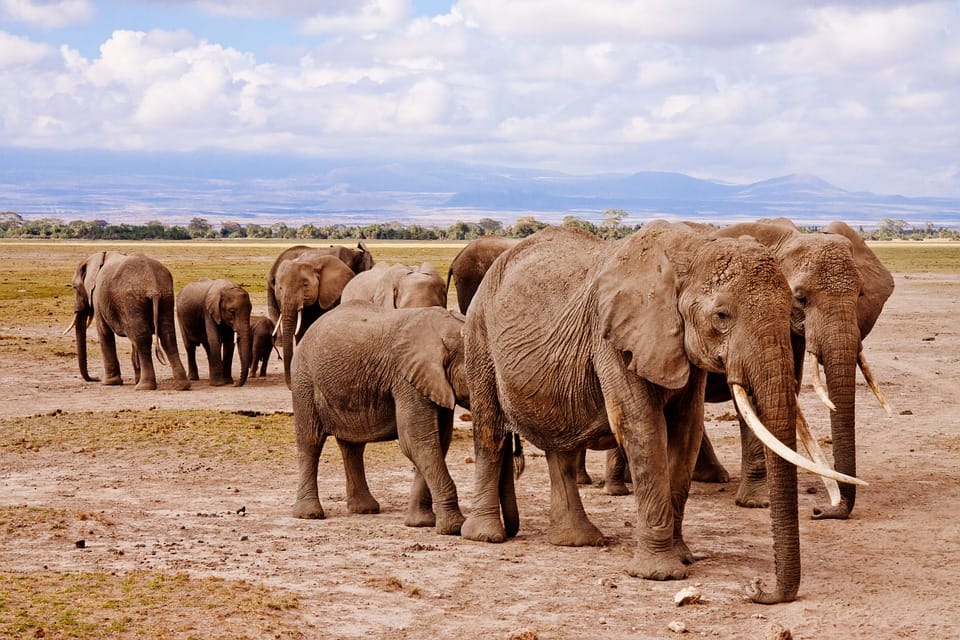
Families of elephants marching amongst acacias with the glaciers of Mount Kilimanjaro as a back drop. Who wouldn’t want to see that?
Rift Valley Lakes
From Nakuru to Bogoria to Elementaita, the great rift valleys lakes are excellent for game viewing as well as seeing spectacular explosions of flamingoes.
Kenya offers a wide range of safari activities beyond standard game drives. Many Indian travellers want to know how many drives they’ll do, whether they can skip drives, how early they start, and whether optional experiences like hot-air ballooning are worth it. This section keeps all your points exactly as written and expands them for clarity.
How many game drives will we do per day?
You will usually do two game drives per day:
- one early morning
- one late afternoon
Some camps allow three drives if the schedule permits.
Full-day game drives can be arranged, but only with a private vehicle, as shared vehicles must return to camp on time.
Can I skip a game drive if I’m tired?
Of course.
The camp is a perfect place to relax — you can sit by the lounge area, read a book, enjoy the views, or simply rest.
Skipping a drive is completely acceptable and usually easy to arrange with the camp staff.
Are safaris very early in the morning?
Yes.
Expect a wake-up call before sunrise.
You will have tea or coffee brought to your tent or served in the main area, and then head out immediately as the sun rises.
This is when animals are most active.
How long is each game drive?
Each drive usually lasts 3–4 hours.
Morning drives focus on early activity, while afternoon drives capture animals before sunset.
Can I request specific animals, like leopards?
No.
Safaris don’t work like a checklist.
Wildlife is unpredictable, and while guides try their best, they cannot guarantee any specific animal.
It is better to enjoy everything you see rather than focusing on “ticking off” species.
Is a hot air balloon safari worth it?
Absolutely.
Although it is expensive (around USD 500), it is a once-in-a-lifetime experience.
Floating over the Maasai Mara at sunrise gives you incredible views of the landscape and wildlife below.
Is the grass too tall in April–May? Does it affect sightings?
Yes, during April and May (the long rains), the grass in the Maasai Mara main reserve becomes very tall.
This makes spotting wildlife more challenging.
During these months, it is best to stay in a Mara conservancy, where cattle grazing keeps grass shorter, improving wildlife viewing significantly.
Can I do a night safari?
Yes, but only in certain private conservancies.
Night drives are not allowed inside national parks like the Maasai Mara Reserve, but conservancies offer them as a special experience to see nocturnal animals.
Are drones allowed?
No.
Kenya has strict restrictions on drones.
Poachers use drones, which is why drone usage is heavily controlled and usually not permitted for tourists.
Accommodation — Comfort & Luxury Options
Kenya offers a wide range of accommodation styles, from rustic bush camps to some of the most luxurious tented lodges in the world. Many Indian travellers prefer to understand how “luxury” works on safari, what comforts are available, and whether personalised services like private guides or butlers can be arranged. This section keeps all your points intact and expands them for clarity.
Are safari camps comfortable or rustic?
Safari camps come in many styles.
Some high-end camps feel like extremely fancy hotels — with elegant décor, premium bedding, gourmet dining, and exceptional service.
Others are more rustic, focusing on authenticity, eco-friendly construction, and closeness to nature.
Even simpler camps maintain high cleanliness standards and thoughtful setups for guest comfort.
Can I book a private guide?
Yes, indeed.
Booking a private guide is an excellent way to elevate your safari.
Private guides customise your game drives around your interests — whether it’s photography, big cats, birds, or landscapes.
We work closely with some of the top-rated, gold-accredited KPSGA guides in Kenya.
For luxury travellers or photography enthusiasts, this is one of the best upgrades.
Can I book a private butler or a villa-style tent?
Yes, absolutely.
High-end safari camps offer private butlers and villa-style family tents or suites.
These options provide an elevated level of comfort, personal attention, and exclusivity.
Some properties even have private retreats with exclusive dining, private vehicles, and additional privacy — ideal for anniversaries, honeymoons, or special celebrations.
Do camps cater to anniversaries or special celebrations?
Yes, celebrations are a big part of the safari experience.
Camps can organise:
- private dinners
- candlelight setups
- sundowners in scenic locations
- special cakes
- traditional singing by staff
Celebrating in the middle of the African bush becomes a memorable experience.
Are rooms air-conditioned?
Only some lodges offer full air-conditioning.
Most tented camps rely on eco-friendly solar setups, which means fans may be available, but full AC is not typical.
However, nights cool down in most safari destinations, making AC unnecessary.
Do tents have 24/7 electricity?
Not always.
Many eco-camps operate on solar power, which provides electricity during set hours.
Charging can be done in the tent (in some camps) or in the main lounge area.
Luxury camps may offer 24/7 power, but the experience is designed to balance comfort with environmental respect.
Are the tents large enough for families?
Yes.
Family tents, interconnecting tents, and villa-style suites are available in most luxury camps.
These are perfect for families with children or multigenerational groups. Please note that camps are booked per person per night (so if you have more people fitting into 1 tent, it doesn’t make the costs any cheaper).
Planning & Booking
Kenya Safari Packages & Wildlife Tours
We have a wide assortment of Kenya safari packages available on the Safaris & Tours section of our website.
If you’re looking to join our comfort-level small group departures, check out our KlipKlop itineraries.
Aside from this, we can also customise your Kenya safari tour. Contact our Private Travel division for an exclusive customised itinerary for Kenya.