

Best Time to Visit Botswana
Planning a trip to Botswana? And wondering what time of the year is the best time to visit? While different parts of Botswana can be visited throughout the year, peak season is from May to end October. Read on to know more about the weather and climate of Botswana.
When to Go?
Seasons of Botswana
Broadly speaking, there are two seasons in Botswana:
- Dry Season: June to October / November (Winter)
- Green Season: December to May / June (Summer)
Best Time to Visit Botswana
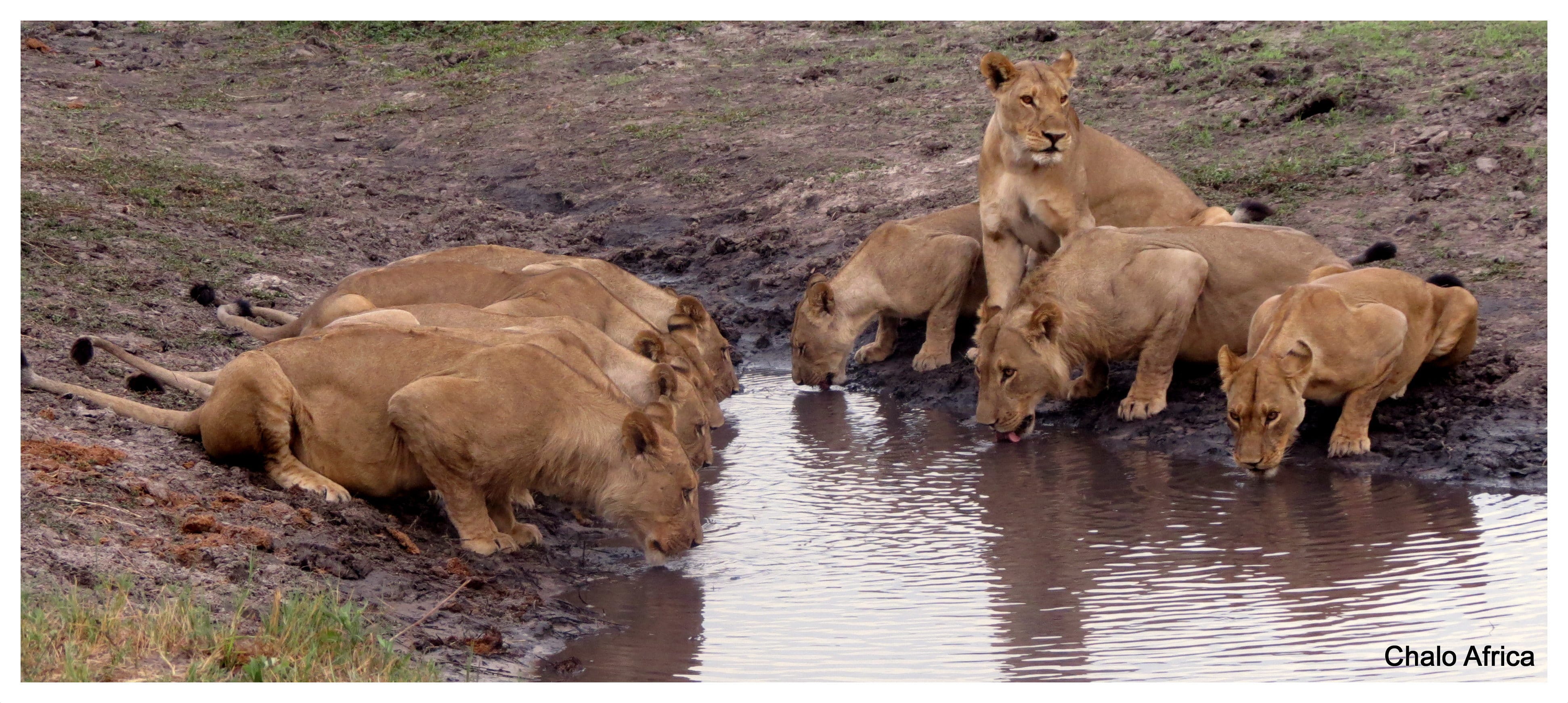
The dry winter months from May to October is usually peak season and considered the best time to visit Botswana.
June to October are the most popular months to visit the Northern parks like Chobe, Moremi, and the Okavango Delta. Game viewing is superb at this time and the Okavango Delta floods annually from June to October.
September and October can get incredibly hot (but wildlife sightings improve since there is less foliage). Since it’s peak season during the summer months, prices can get prohibitive.
Between the months of December and May is Botswana’s green season; at this time of year, grasses are taller but the prices are better. We recommend planning your Botswana safari for this time period for a great budget-friendly experience. May/June and November form the shoulder seasons. At these times, game sightings are still good and prices are still reasonable.
The Green Season is also a good time to visit the Central Kalahari Game Reserve, Nxai Pan and Makgadikgadi National Parks.
Climate
Climate of Botswana
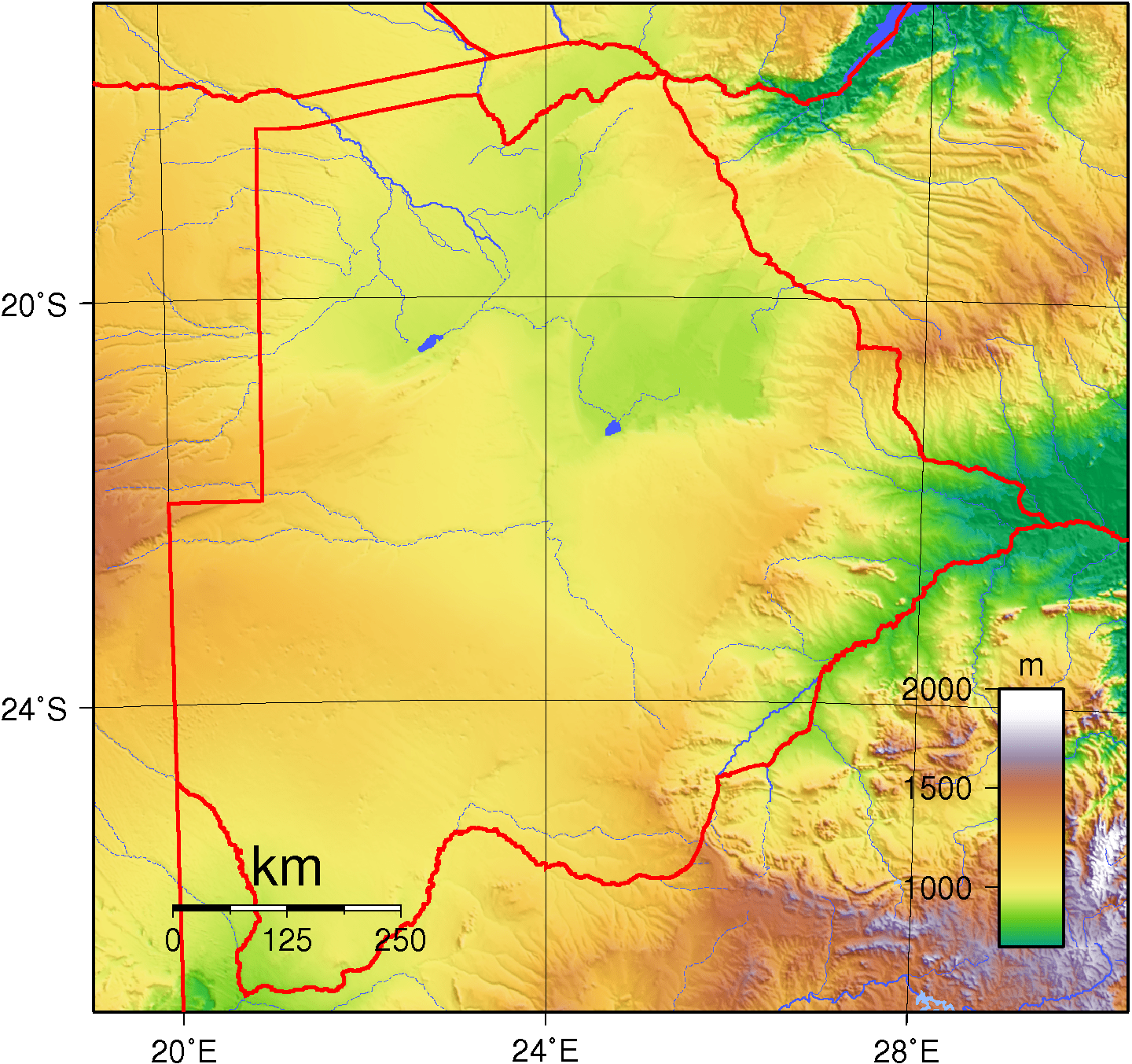
The climate of Botswana is dry and semi-arid. The northern part of the country lies within the tropics, but because of the altitude and distance from the oceans, the climate is more temperate than tropical.
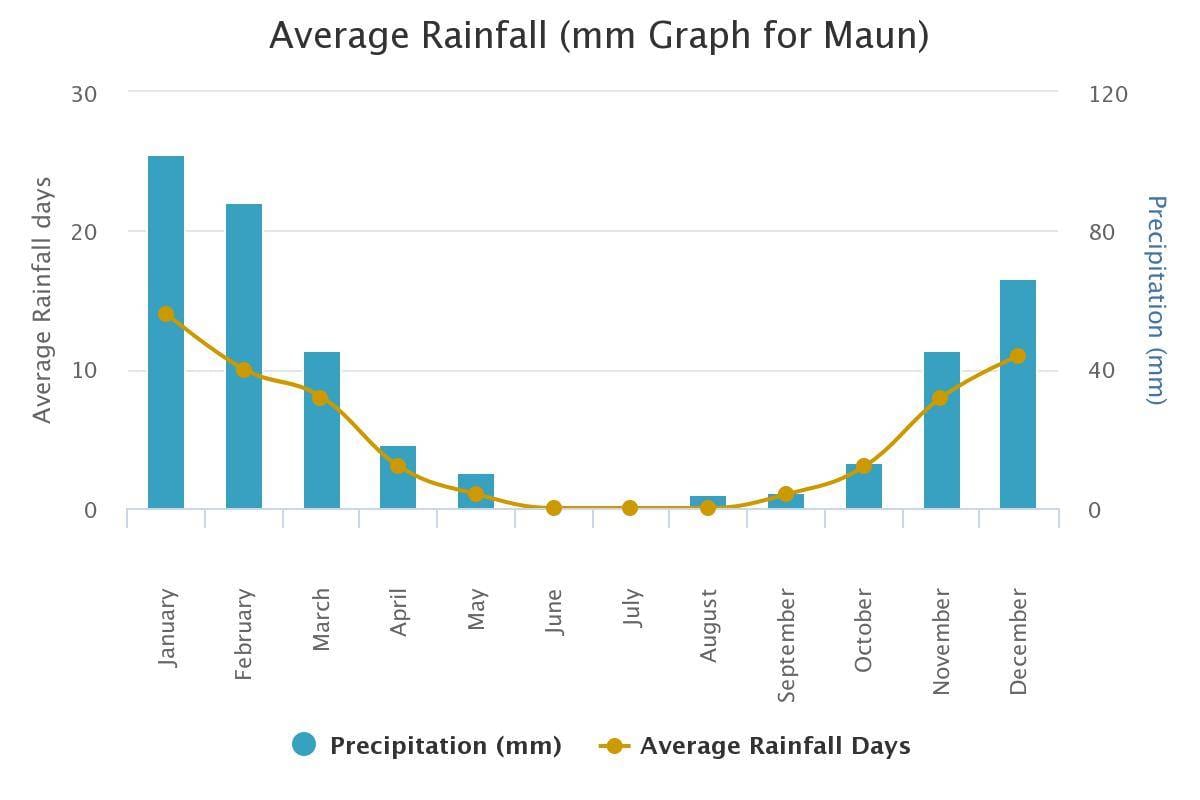
Rainfall is low, erratic and unevenly distributed, but major rainfall occurs mostly during the summer months, between November and April.
The mean temperatures vary according to the regions: maximum temperatures reach 40°C and may fall during the winter to 0°C in the extreme south.
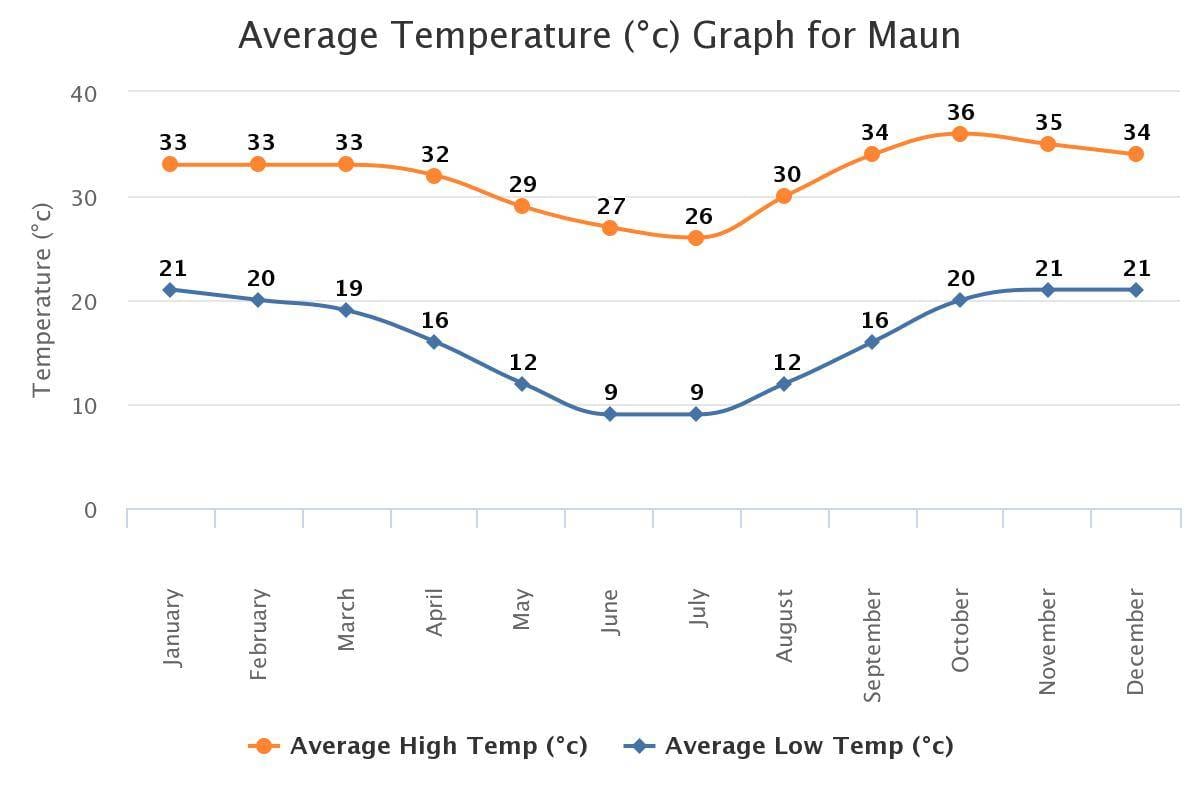
Temperature
Average Temperature – Maun, Botswana
Rainfall
Average Precipitation – Maun, Botswana
Still deciding where to go?
Knowing when to travel is half the decision; the other half is where. Our guide to African safari destinations puts every country we work in side by side — what each is best for, the best months to visit, how long to allow and what a trip starts at — so you can see how Botswana compares before you commit.
Best time to visit Botswana: common questions
When is the best time to visit Botswana?
July to September for the Okavango Delta, when floodwaters are at or near peak, dry land shrinks and game is squeezed onto islands and floodplain fringes. August to October for the Chobe riverfront and Savuti — the September and October elephant aggregation on the Chobe is one of the highest-density elephant events on Earth, and it happens because the river is the only permanent water for a vast hinterland. The Central Kalahari inverts all of this and is best from December to March.
Why is the Okavango Delta at its wettest in the dry season?
Because the water is not Botswana’s. It falls as rain in the Angolan highlands, drains through the Cubango and Cuito rivers and enters Botswana at Mohembo in the Panhandle, where peak flow arrives between mid-March and mid-May. The Delta then behaves like a sponge, spreading that water sideways through 15,000 square kilometres of near-flat sand at walking pace. Levels across most of the Delta therefore peak from May through August. Guests arriving in June to a flooded Delta under a cloudless sky are looking at Angolan rain that fell in January.
Can I be sure of a mokoro trip?
Not on a specific date, and any camp that promises one months ahead is guessing. Mokoro availability is flood-dependent rather than calendar-dependent, and flood height varies by metres from year to year because it is set by rainfall in another country several months earlier. A camp in the seasonal floodplains can be poling in July and driving in November in the same year. We check current water levels with the camps before we confirm a water-based itinerary.
Does Botswana have a zebra migration?
It has two, and they are among the least-known great wildlife movements in Africa. The Nxai Pan migration is, by round-trip distance, the longest terrestrial mammal migration in Africa at around 1,000km — zebra hold on the Chobe floodplains from July to November, move about 250km south in December and early January, stay in Nxai Pan for roughly eighty days, and start back in late February. The Makgadikgadi and Boteti movement runs from the south-eastern Okavango to the Makgadikgadi grasslands from late November. Both are rain-triggered, so a late wet season delays them by weeks.
Which months should I avoid in Botswana?
January to March for the classic circuit. Black-cotton tracks in the Central Kalahari become genuinely impassable, afternoon thunderstorms cut activities short, the grass is head-high and daytime heat is severe. Some seasonal Delta and Linyanti camps close in January and February. April is the Delta’s structural low point — local rain is over and the flood has not yet come through. Note that this is precisely when the Central Kalahari is at its best, so the honest answer depends on where you are going.
When is Botswana best value?
May is arguably the best week-for-week value of the year: the flood is arriving, the bush is drying and thinning, nights are comfortable, and rates have not yet reached June levels. November and early December are the other window — low-season rates with viewing still good, the pans greening up and the zebra arriving. Botswana’s low season is cheap because the camps are empty, not because the wildlife is bad.