
African Safari Destinations
From the endless plains of the Serengeti to the red dunes of Namibia and the islands of the Indian Ocean, explore our handpicked collection of Africa’s finest safari destinations — choose a country below to discover its camps, safaris and special offers.
East Africa
The safari most people picture when they close their eyes. Open savannah, big cats in numbers, and the Great Migration moving between the Serengeti and the Masai Mara. East Africa is also where the gorillas are, in the forests of Rwanda and Uganda, so a single trip can put you in an open vehicle on the plains one week and on foot in an equatorial rainforest the next.
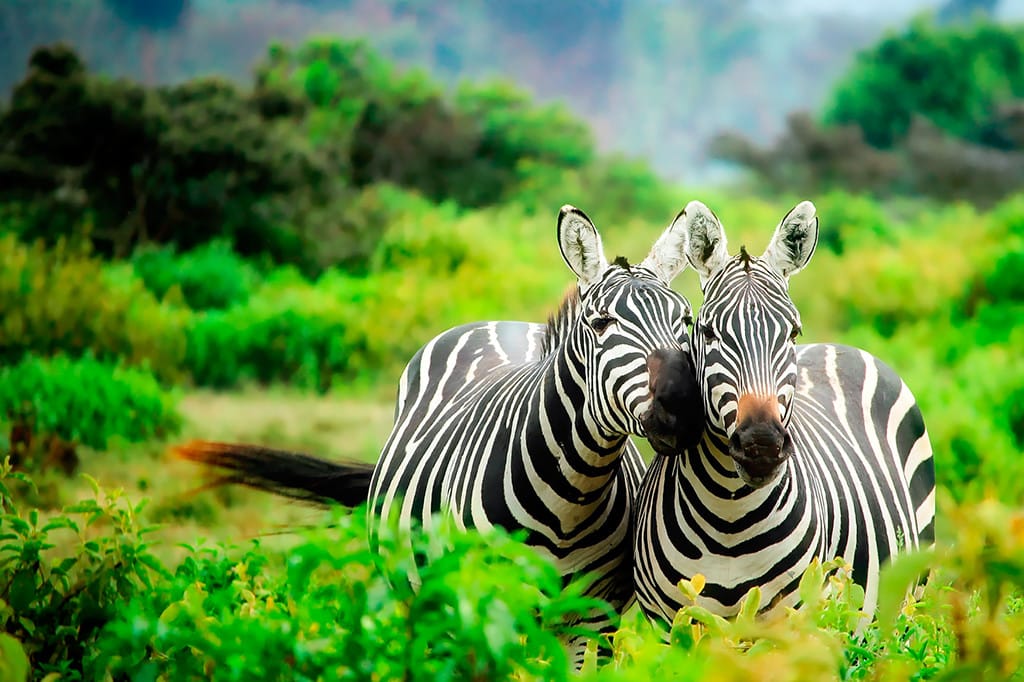 KenyaThe classic safari — the Mara’s great migration and Amboseli’s elephants beneath Kilimanjaro.
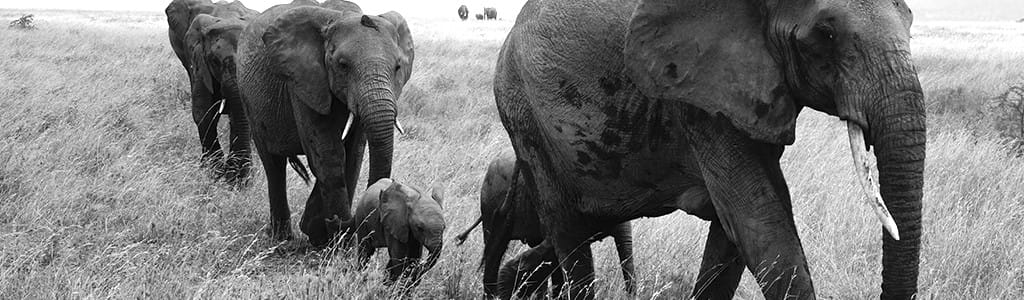 TanzaniaThe endless Serengeti, the Ngorongoro Crater and the spice-island beaches of Zanzibar.
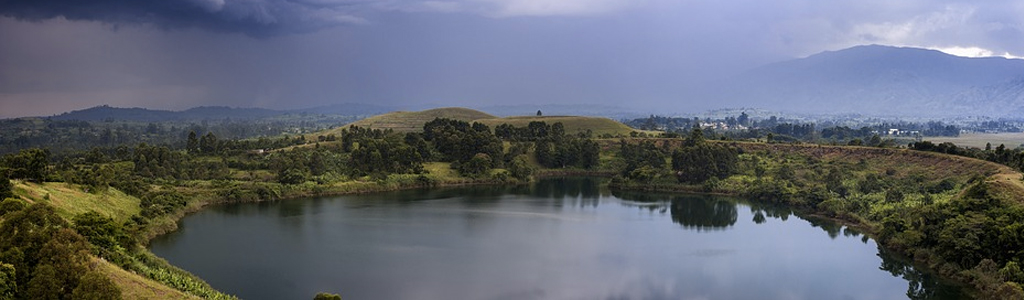 UgandaMountain gorillas, tree-climbing lions and the source of the Nile.
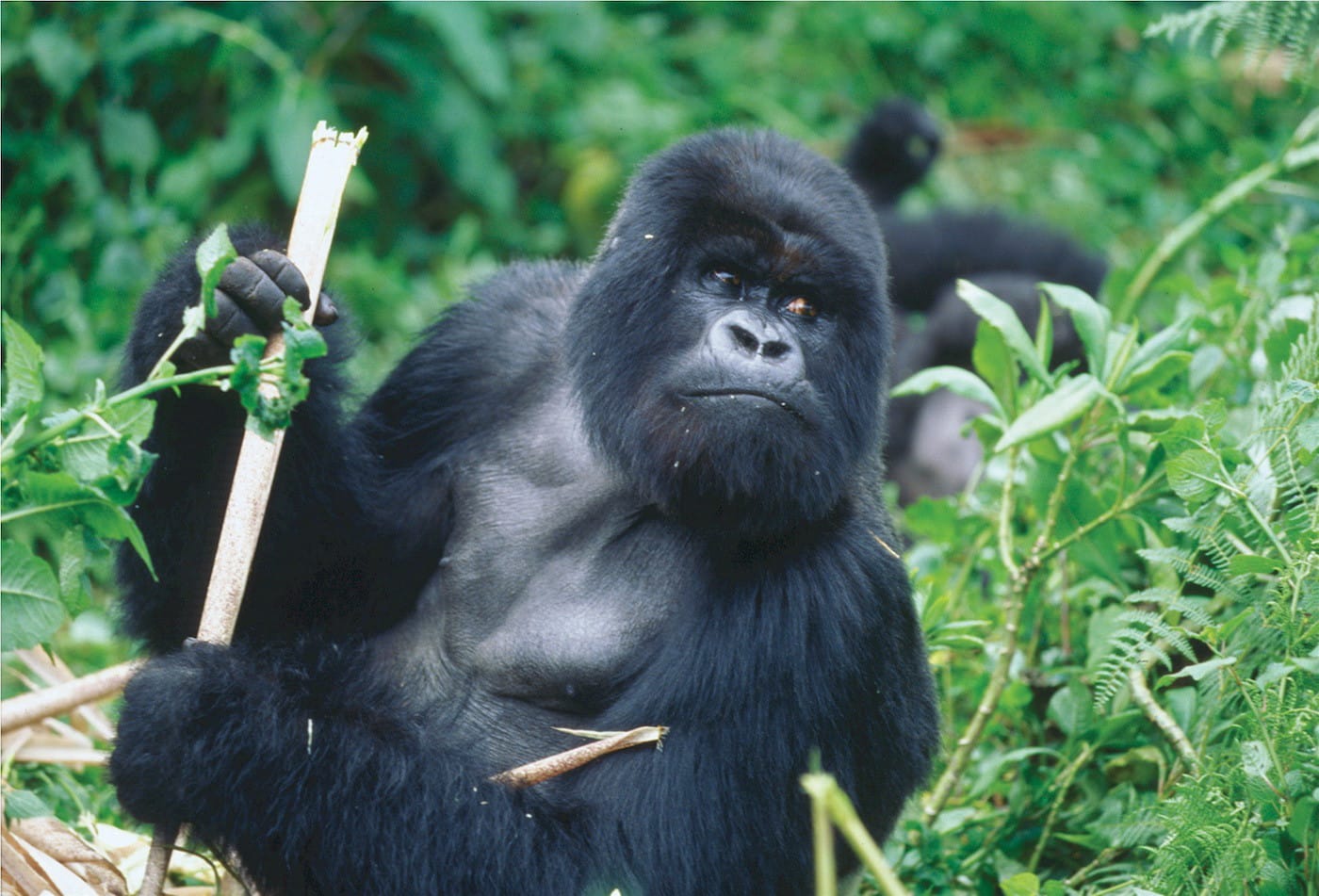 RwandaGorilla trekking in misty volcanoes and a green, welcoming capital.
Southern Africa
Fewer vehicles, larger concessions and more ways to see the bush than from a seat. This is the home of the walking safari in Zambia, the mokoro and the floodplain in Botswana, the desert in Namibia and the malaria-free reserves of South Africa. Distances are long and camps are small, which is precisely the point.
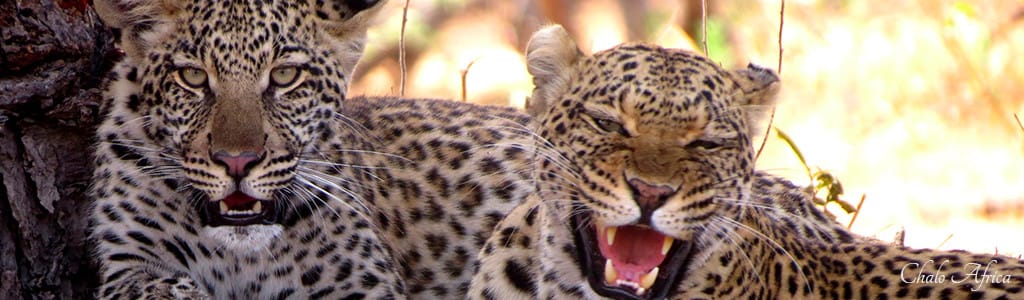 BotswanaThe water-world of the Okavango Delta and the great elephant herds of Chobe.
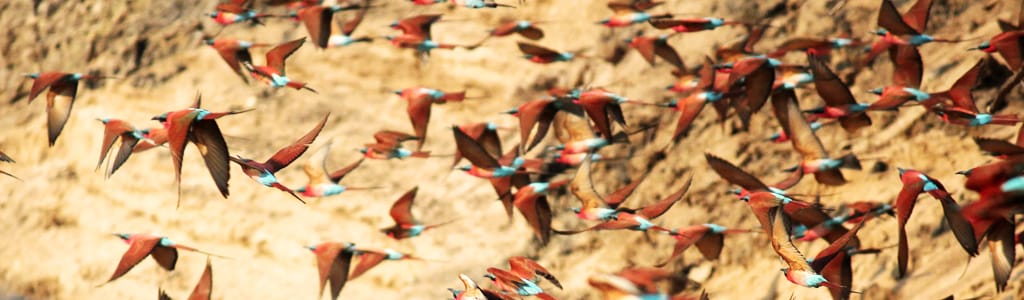 ZambiaThe home of the walking safari, framed by the thundering Victoria Falls.
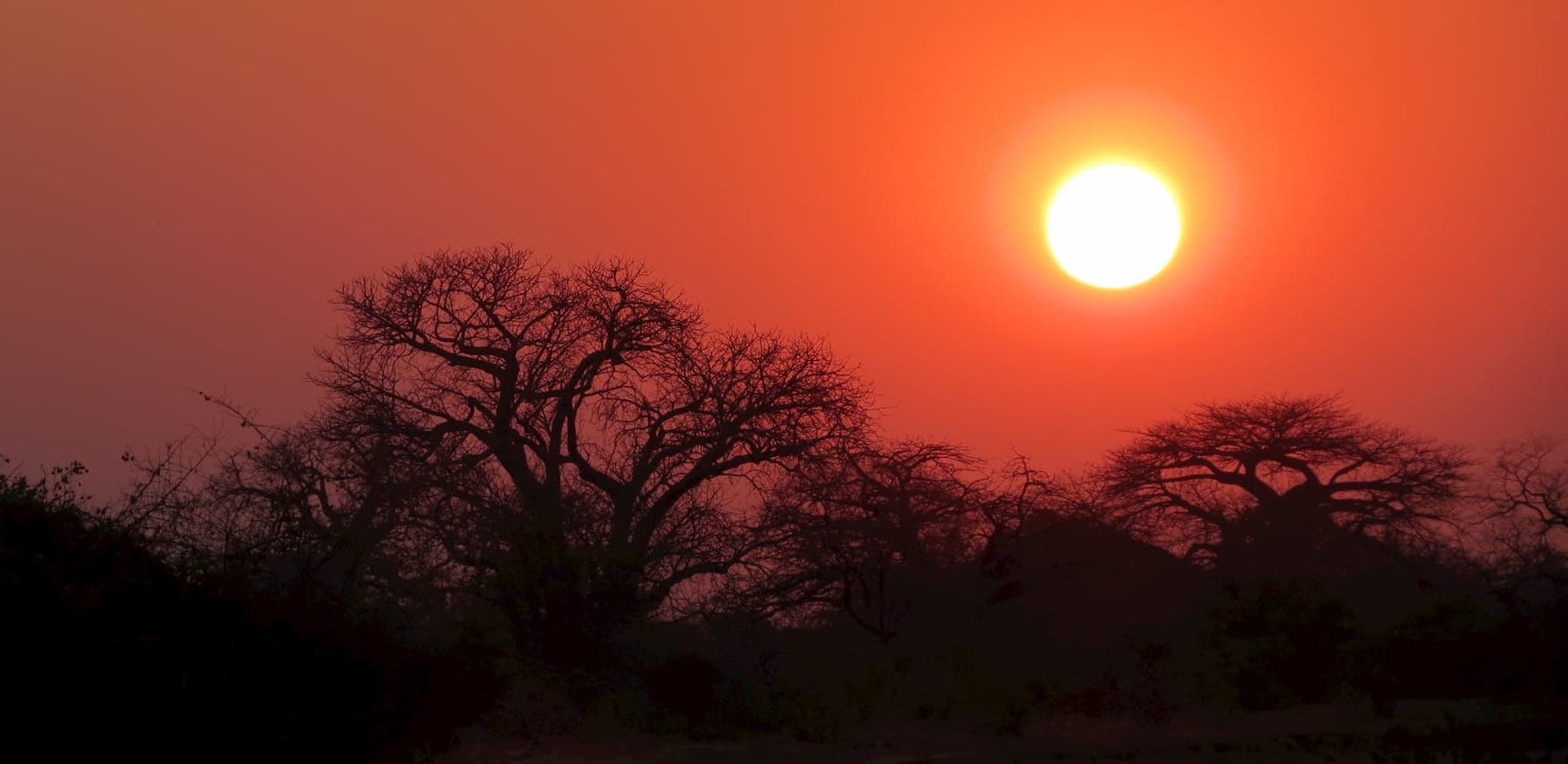 ZimbabweVictoria Falls, Hwange’s elephants and the wild canoeing of Mana Pools.
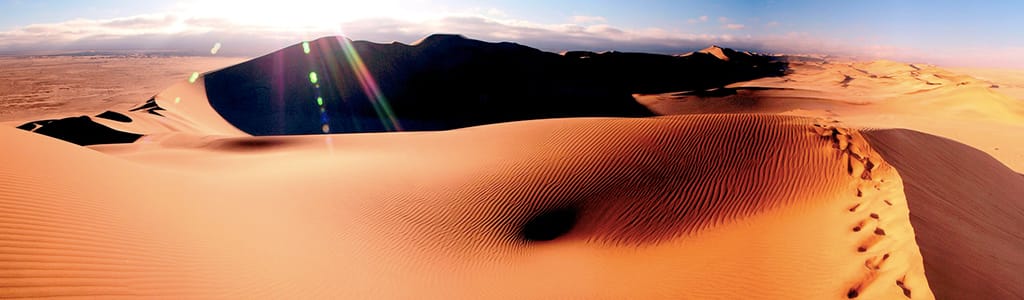 NamibiaTowering red dunes, desert-adapted wildlife and the game-rich Etosha Pan.
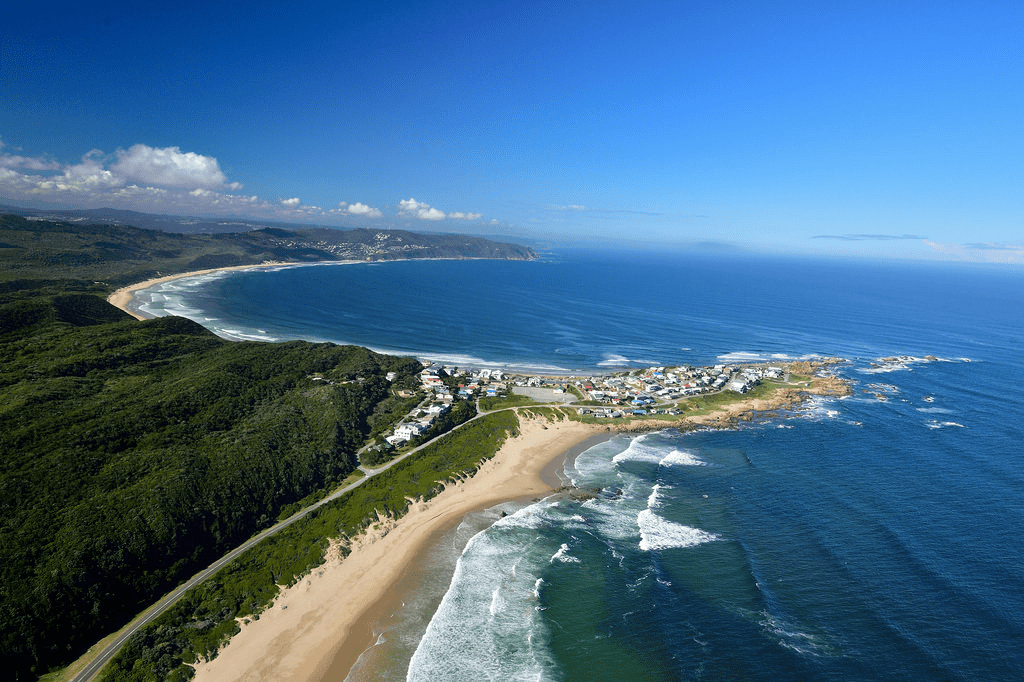 South AfricaMalaria-free Big Five reserves, the Cape Winelands and dramatic coastal drives.
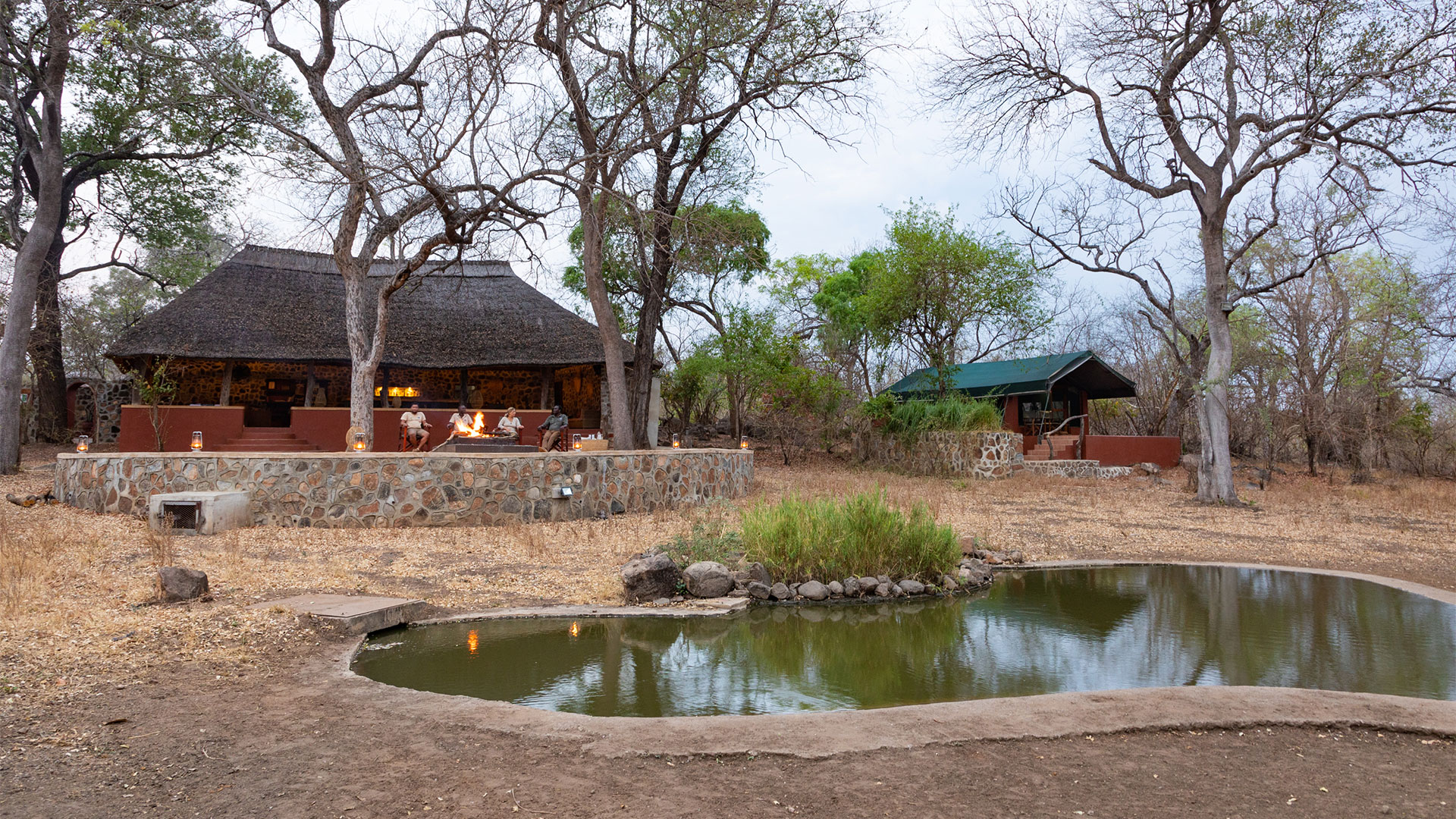 MalawiBig-game reserves paired with the clear, warm waters of Lake Malawi.
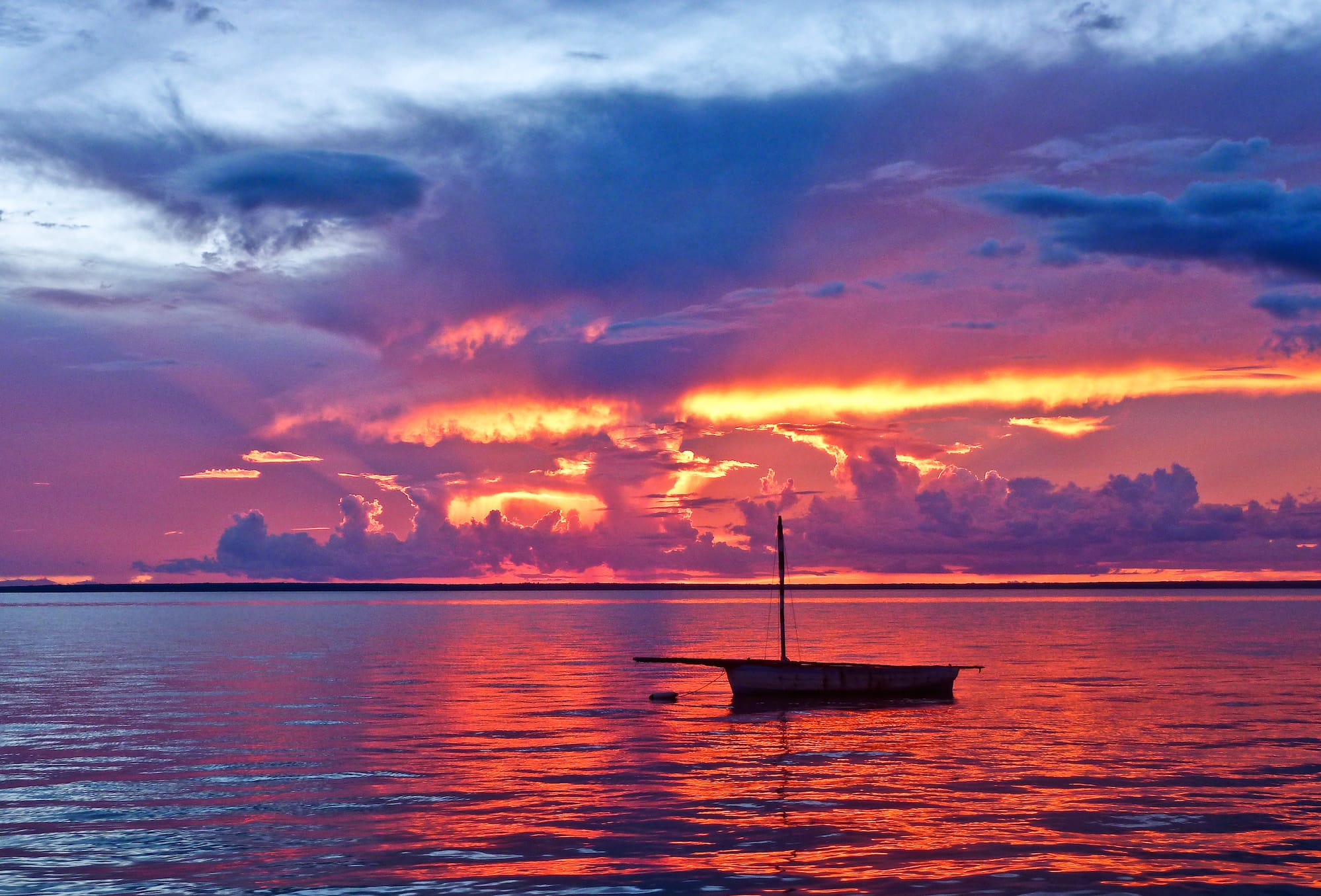 MozambiqueIndian Ocean archipelagos, coral reefs and barefoot island luxury.
Central Africa
Rainforest rather than savannah, and a different flora and fauna entirely. Lowland gorillas, forest elephants gathering in clearings, mandrills moving through the canopy in troops of hundreds. Gabon and the Congo Basin see a fraction of the visitors the rest of the continent does, and getting there takes effort — which is why what you find when you arrive is worth the trouble.
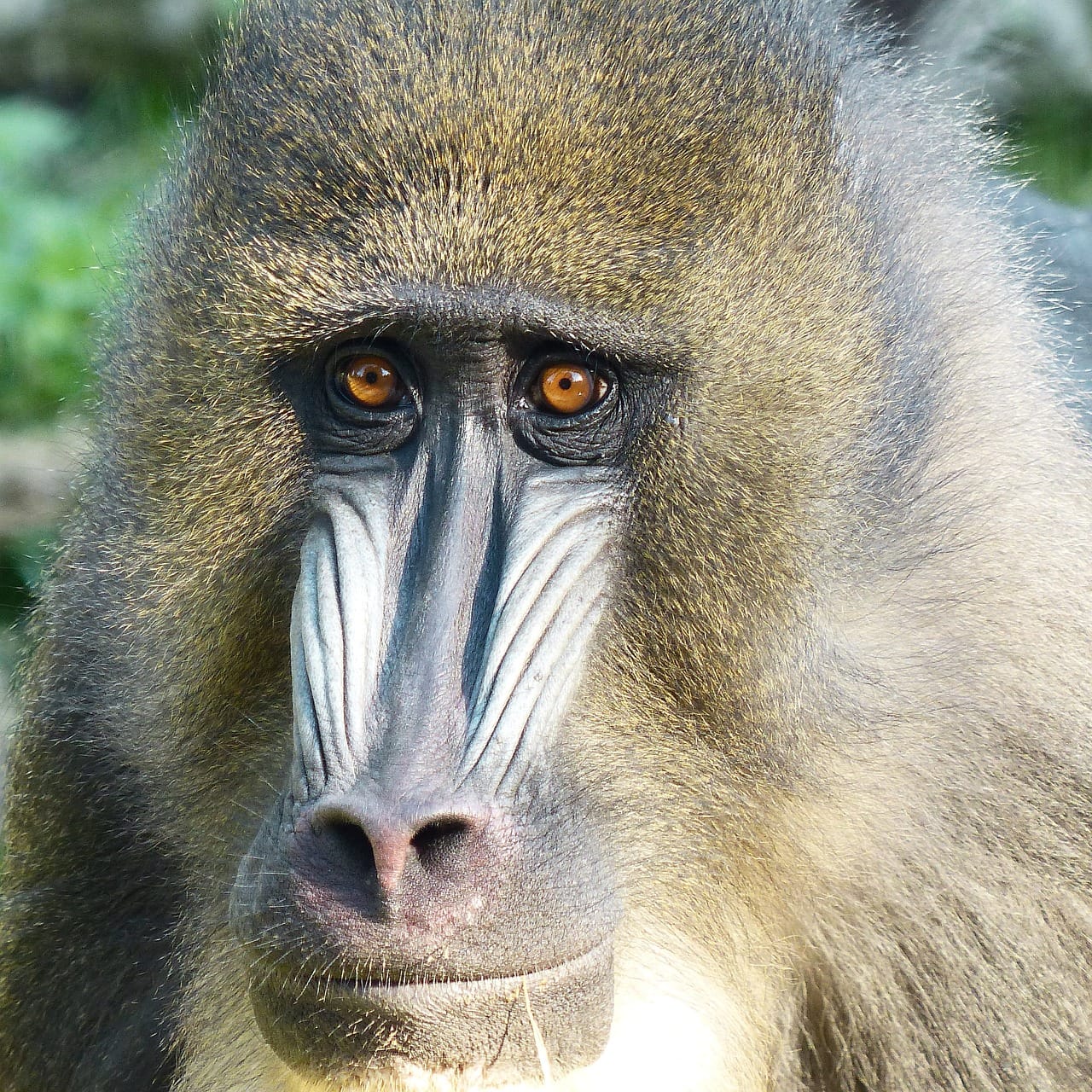 GabonOne of Africa’s last great wildernesses — pristine rainforest, wild mandrill troops, and a Bwiti ceremony found nowhere else on the continent.
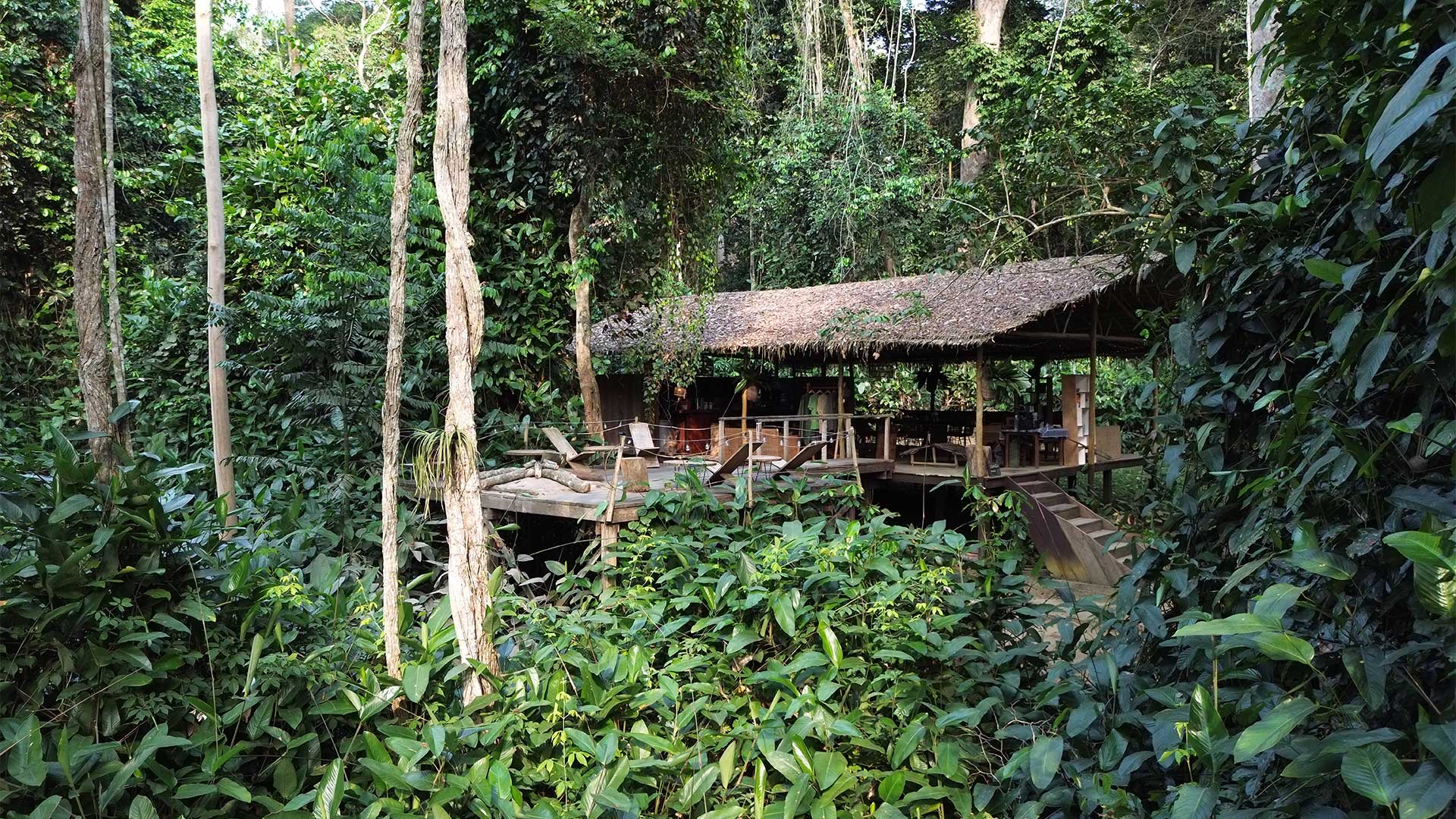 Congo BasinLowland gorillas and forest elephants in Africa’s great rainforest.
The Horn & the Indian Ocean
Wildlife that exists nowhere else, and the sea. Ethiopia’s highlands hold gelada baboons and the Ethiopian wolf; Madagascar split from the mainland so long ago that nine in ten of its species are found only there; the Seychelles adds granite islands and reef. Each pairs naturally with a mainland safari rather than replacing one.
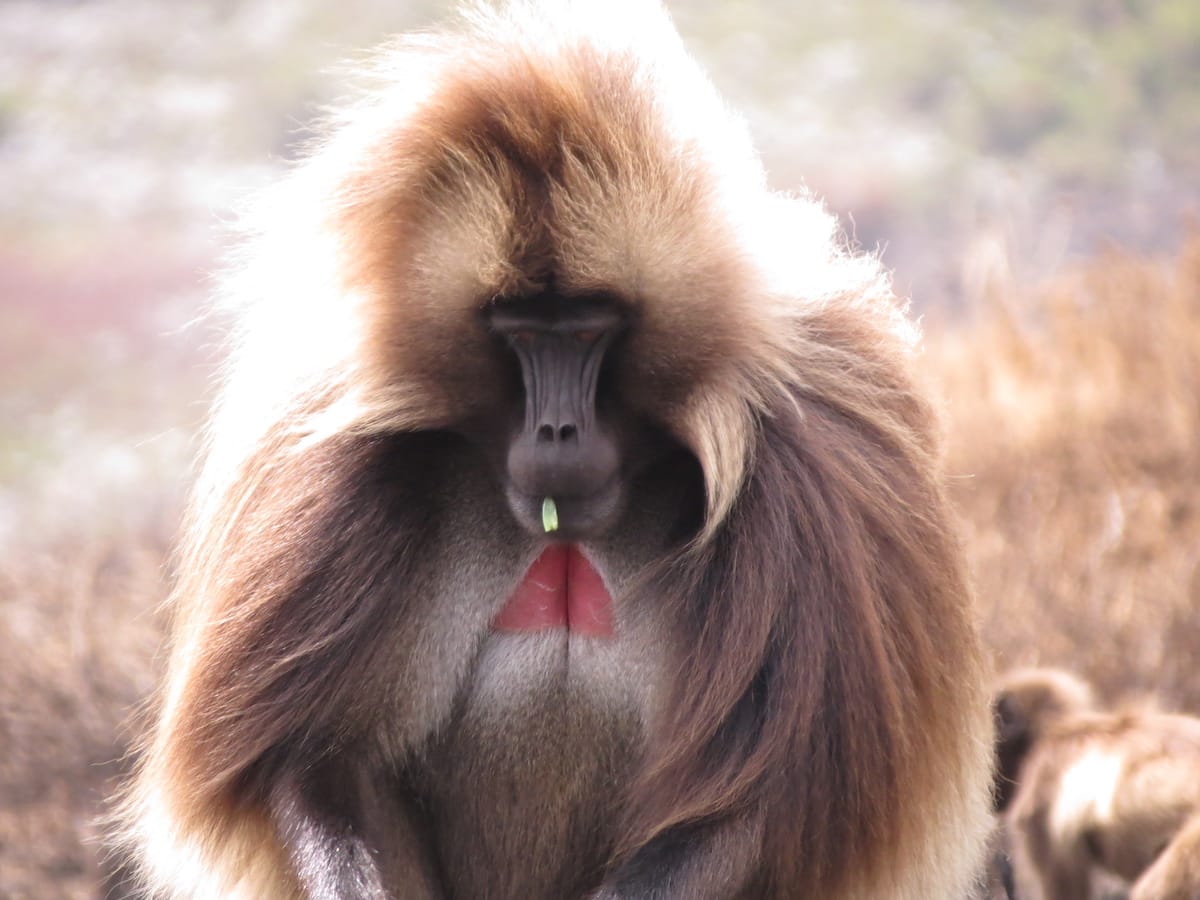 EthiopiaAncient highlands, rock-hewn churches and Africa’s rarest endemic wildlife.
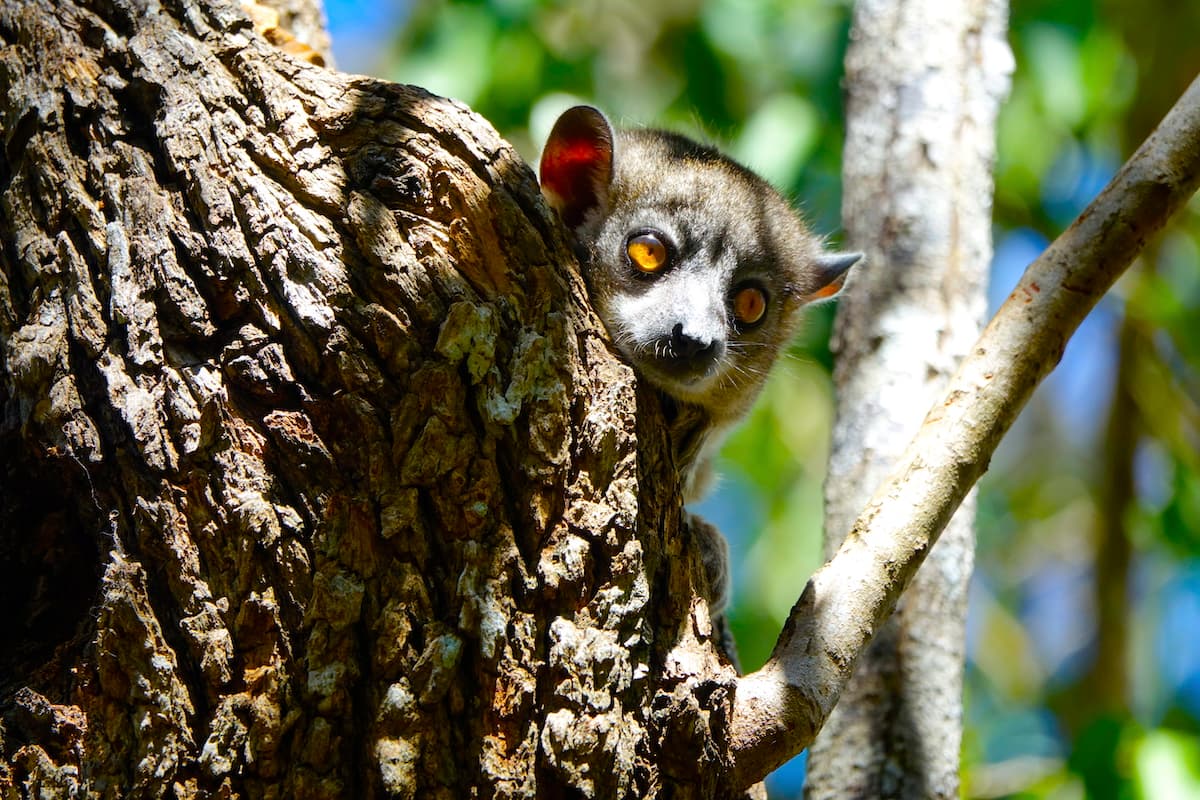 MadagascarLemurs, baobabs and endemic wildlife found nowhere else on Earth.
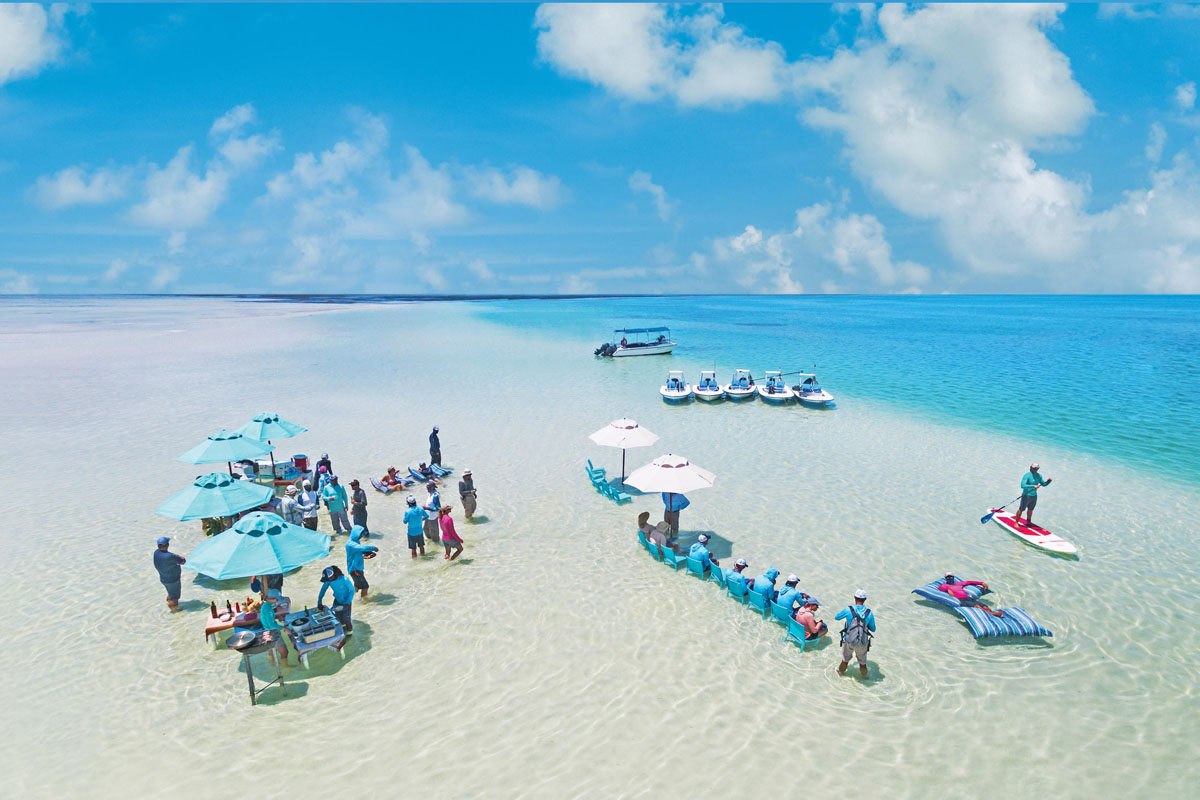 SeychellesGranite islands, powder beaches and turquoise seas.
North Africa
Not a safari in the game-drive sense, but the same instinct for landscape. Morocco runs from Sahara dunes to the snow line of the High Atlas in a day’s drive, with the medinas of Fez and Marrakech in between.
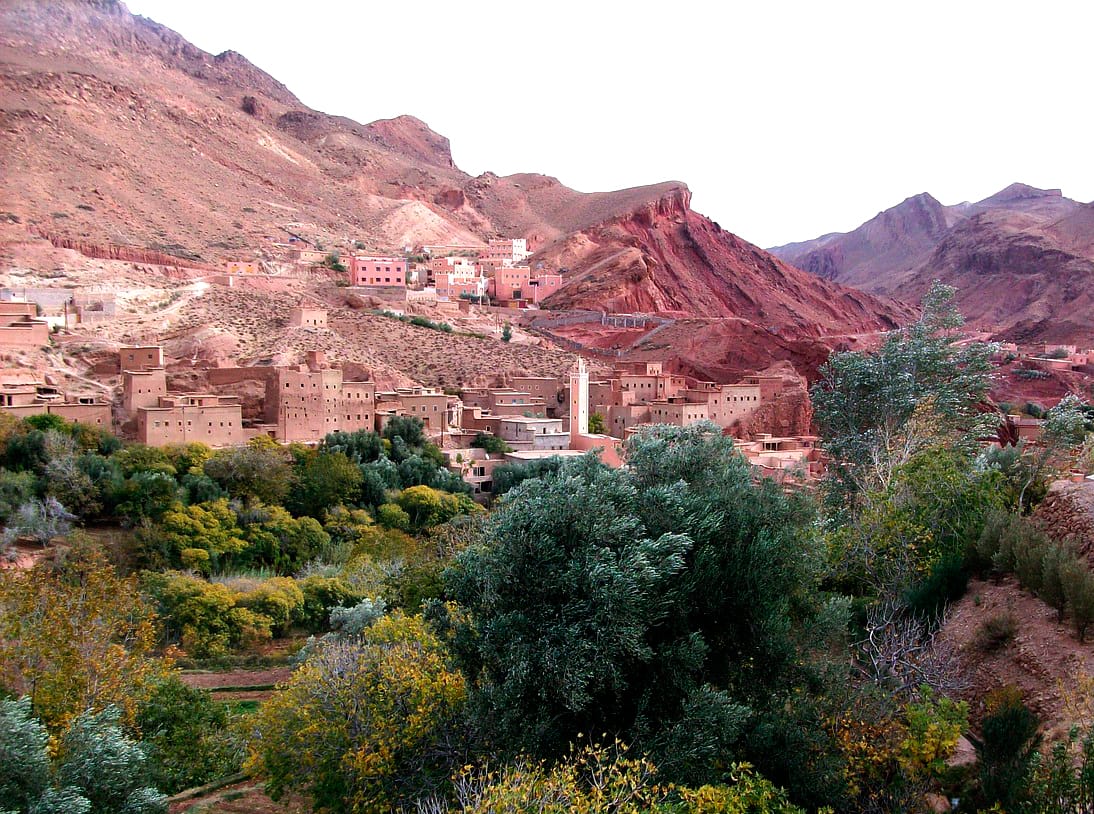
Beyond Africa
The same approach, applied elsewhere. India for tigers in the dry forests of Madhya Pradesh and Rajasthan, Brazil for jaguars along the rivers of the Pantanal, Peru for the Andes and the Amazon. We plan these the way we plan Africa — small camps, good guides, and enough time in one place to actually see something.
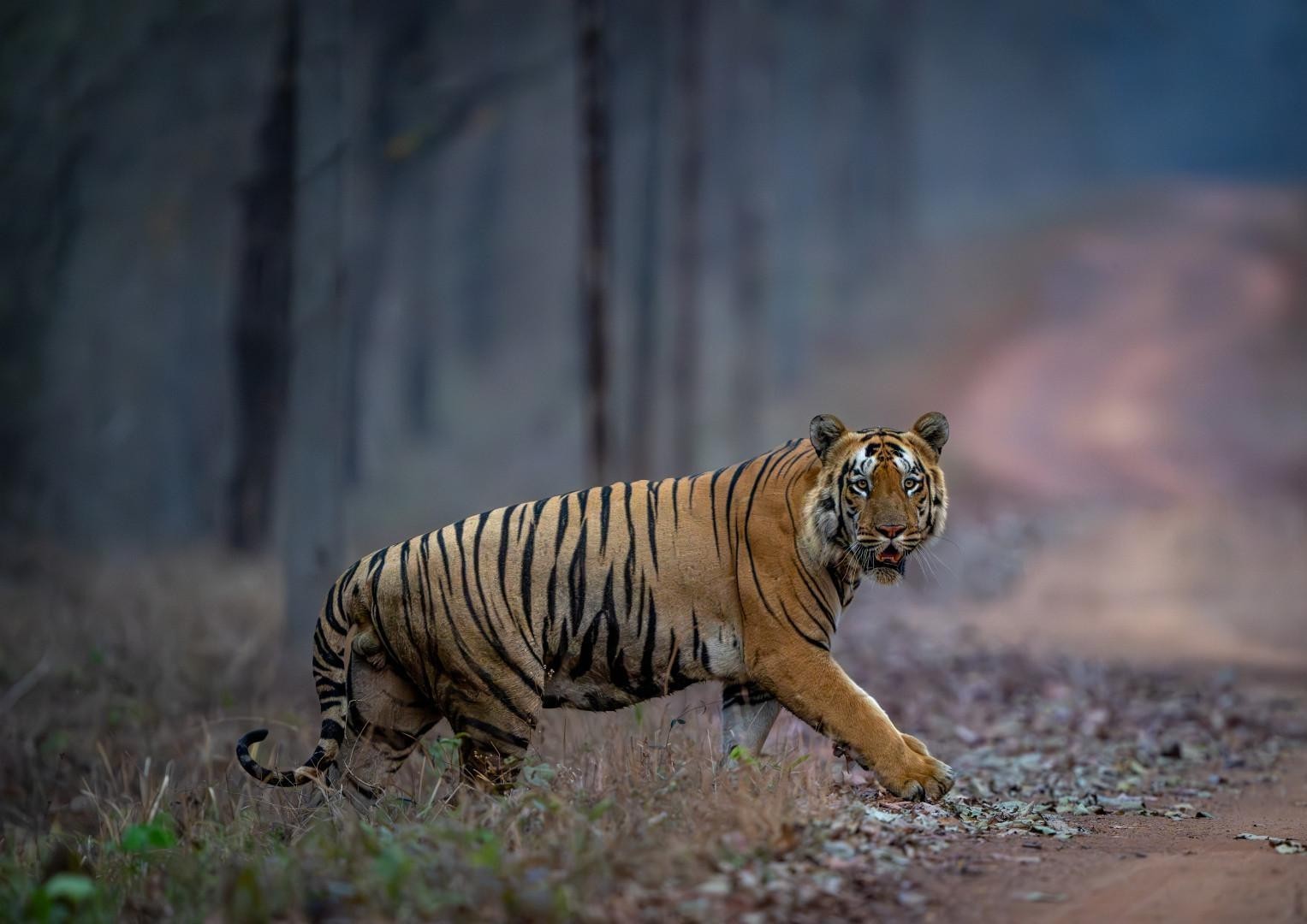 IndiaBengal tigers, ancient forts and timeless wilderness.
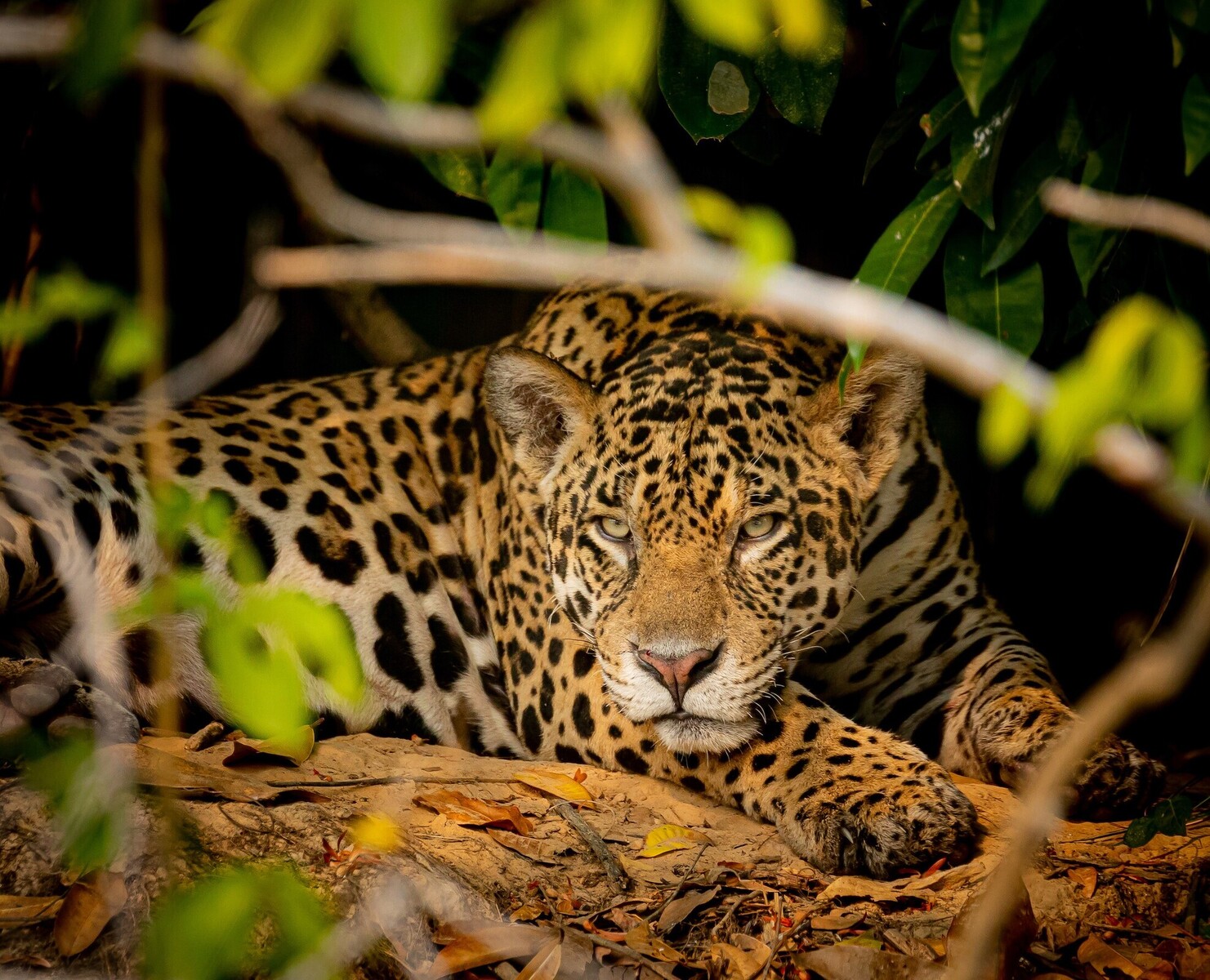 BrazilJaguars of the Pantanal and the emerald depths of the Amazon.
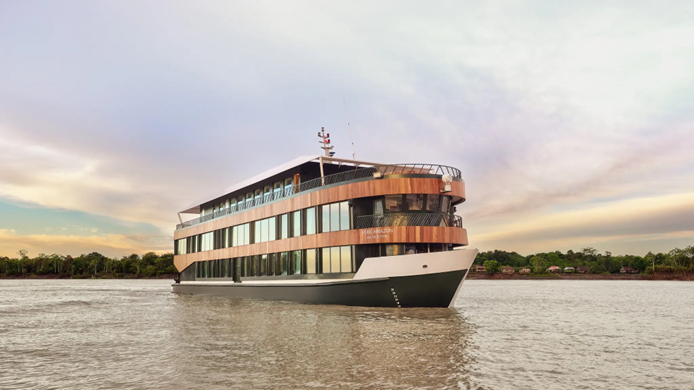 PeruMachu Picchu, the high Andes and the wild Amazon.
What do you want to see?
Most people arrive at a country by starting with an animal or a landscape. If you already know what you want out of the trip, start here instead.
Every destination, side by side
Starting prices are per person and reflect the trips we actually run, not a headline rate. Best months are the pick of the year rather than the only time worth going — several of these are year-round destinations.
| Destination | Best for | Best months | Typical trip | Malaria | From |
|---|---|---|---|---|---|
| Kenya | Big Five and the Great Migration | Year-round. Migration July–September; best value April, May and November. Month by month | 7–13 days | Moderate risk in most areas, year-round. Nairobi and the highlands are exceptions. | US$3,500 |
| Tanzania | The Great Migration and the Big Five | Year-round. Dry season June–October; river crossings August–October; calving January–March. Month by month | 7–13 days | Moderate to high throughout. Less in Dar and at altitude, and practically none in Zanzibar. Higher November–May. | US$4,500 |
| Uganda | Mountain gorillas and tree-climbing lions | June–September and December–February. April and May are the wettest. Month by month | 7–10 days | Malaria risk countrywide. | US$5,009 |
| Rwanda | Mountain gorillas and golden monkeys | Trekking runs year-round. The drier June–mid September and mid December–February are easiest underfoot. | 6–10 days | Moderate risk throughout. | US$5,100 |
| Botswana | Elephants, big cats and wild dogs | May–October, peaking June–October. The green season, December–May, is better value. Month by month | 7–13 days | High risk in the north and east, including Chobe and the Okavango. The Kalahari, Gaborone and Francistown are malaria-free. | US$5,500 |
| Zambia | Leopards, wild dogs and big elephant herds | May–October. | 7–10 days | Risk throughout, year-round, and higher in the November–April wet season. Lower in Lusaka. | US$5,000 |
| Zimbabwe | Elephants, wild dogs and the Big Five | June–October. Month by month | 7–10 days | Moderate risk. Peak November–June below 1,200 m and year-round in the Zambezi Valley. Slight in Harare and Bulawayo. | US$5,000 |
| Namibia | Desert-adapted elephants and rhino | June–September at its peak. April and May are also excellent. Month by month | 7–15 days | Windhoek is risk-free. Risk in Kavango, Kunene, Ohangwena, Omusati, Oshana, Oshikoto, Otjozondjupa and Zambezi. | US$4,200 |
| South Africa | The Big Five in world-class reserves | June–October for wildlife; November–March for the Cape. Month by month | 5–15 days | Most of the country is malaria-free. The Eastern Cape reserves are malaria-free; Kruger, Mpumalanga and KwaZulu-Natal are low risk. | US$6,700 |
| Malawi | Big Five parks and a freshwater lake | May–October. Month by month | 7–10 days | Year-round risk. | US$4,000 |
| Mozambique | Dhows, dolphins and wild coastline | May–November, best August–October. Cyclones are possible in January and February. Month by month | 4–7 days as a beach finale; longer standalone | Malaria risk, especially December–March. | US$5,000 |
| Gabon | Forest elephants, lowland gorillas, mandrills and whales | May–September, the long dry season. Month by month | 8–10 days | No malaria-free zones anywhere in the country. | US$12,000 |
| Congo Basin | Lowland gorillas, forest elephants and bongos | June–September dry season. Our Congo River expedition sails in July. | 18 days on the Congo River expedition | High risk year-round throughout. Nowhere in the basin is malaria-free. | On request |
| Ethiopia | Gelada baboons, Ethiopian wolves and endemic birds | September–February, plus May. Rains fall March–April and June–August. Month by month | 7–10 days | Risk in the lowlands, including the Omo Valley. Addis Ababa and the highland circuit are essentially risk-free. | US$5,000 |
| Madagascar | Lemurs, chameleons and endemic wildlife | April–November, the dry season. Month by month | 7–10 days | Present in all regions, especially at lower altitudes. | US$5,000 |
| Seychelles | Giant tortoises, reefs and rare birds | Warm year-round. April–May and October–November are calmest, between the trade winds. | 5–8 days, usually added to a safari | No malaria. | US$7,500 |
| Morocco | Desert, mountains and vibrant medinas | March–May and September–November. | 7–10 days | No malaria. | US$4,000 |
| India | Bengal tigers, leopards and rich birdlife | October–March is the cool season. Tiger sightings are best in the hot pre-monsoon months. | 10–14 days | Varies by region and season. The central tiger reserves are low risk in the October–March dry season. | US$7,500 |
| Brazil | Jaguars, giant otters and 600+ birds | May–September, the driest months. | 10–14 days | None in the Pantanal. Risk in the Amazon basin. | US$10,000 |
| Peru | Andean wildlife and Amazon biodiversity | May–September in the Andes. | 10–14 days | None in Cusco, Machu Picchu or the highlands. Risk in the Amazon lowlands. | US$8,000 |
Malaria entries are a planning summary only. Chalo Africa does not advise on or arrange vaccinations or medication — confirm what applies to your route with your doctor or a travel clinic well before you travel.
Questions we are asked most
Which African country is best for a first safari?
Kenya, Tanzania and South Africa are the three we send most first-timers to. Kenya and Tanzania give you the classic open-plains safari with the widest range of animals and the shortest learning curve. South Africa is the easiest logistically, has malaria-free reserves, and pairs a few days of game viewing with Cape Town and the Winelands. If you are nervous about roughing it, start in South Africa. If you want the safari of the photographs, start in Kenya or Tanzania.
When is the best time to go on safari in Africa?
For most of the continent, the dry season. In East Africa that is roughly June to October, and in Southern Africa May to October. Water is scarce then, so animals gather at rivers and waterholes and the bush is thin enough to see through. The green season is quieter and cheaper, with newborn animals and dramatic skies, and in places like Tanzania it is actually the better time — the calving in the southern Serengeti runs January to March. One caveat on South Africa: the winter months are genuinely cold, June and July especially. If you want the Cape as well as the bush, and wildlife is not your entire focus, consider travelling after August. The month-by-month detail sits on each country’s guide.
Where can I see the Great Migration, and when?
The herds are in Tanzania all year round, moving through the Serengeti in a continuous loop, and they cross into Kenya’s Masai Mara roughly July to October — so there is always a stage of the migration happening somewhere. August and September are excellent from both the Masai Mara and the Serengeti, and the river crossings are at their most reliable then. The calving, which is the best time of year for predator action, happens in the southern Serengeti between January and March.
Which safari destinations are malaria-free?
The Eastern Cape reserves in South Africa are malaria-free, as are the Kalahari, Gaborone and Francistown in Botswana, and Windhoek in Namibia. The Seychelles and Morocco have no malaria at all, and Brazil’s Pantanal and the Peruvian highlands around Cusco and Machu Picchu are free of it. Elsewhere the risk varies by region and season. This is a planning summary only — confirm what applies to your route with your doctor or a travel clinic before you travel.
Where can I see gorillas?
Mountain gorillas live in only three countries: Rwanda, Uganda and the Democratic Republic of Congo. Rwanda is the most expensive but by far the easiest — a two-hour drive from Kigali. Uganda’s Bwindi holds more than half the world’s remaining population and permits cost considerably less. Virunga, in the DRC, is not accessible at the moment because of internal strife. Western lowland gorillas are a different animal and a different trip: you track them through rainforest in Gabon and the Congo Basin, alongside forest elephants and mandrills.
How much does an African safari cost?
Our trips start from around US$3,500 per person in Kenya and run to US$12,000 and above in Gabon. As a working average for a customised safari we would budget around US$1,100 to US$1,300 per person per day, with some countries costing less and some more. What moves the number is the camp, the season and how much you fly rather than drive. The comparison table above shows the starting price for every destination we work in. Nothing is off the shelf, so the honest answer for any specific trip comes from a conversation.
How long should a safari be?
Seven to ten days is the sweet spot for a single country, and it is what most of our itineraries run to. Fewer than five and you spend a disproportionate share of the trip in transit; more than two weeks and you usually want to add a second country or a few days on a beach. Namibia and South Africa reward longer because the driving distances are real, and the Congo River expedition is eighteen days by design.
Which destinations combine safari with a beach?
Tanzania is the classic pairing — the Serengeti followed by Zanzibar, on the same set of flights. Mozambique’s Bazaruto and Benguerra archipelagos work as a finale to a Southern African safari, and the Seychelles adds granite islands and reef for anyone willing to fly a little further. Kenya has its own coast, and South Africa gives you the Garden Route instead.
The Chalo Difference
Expert Guidance
Decades of experience crafting Africa’s most intricate safari journeys.
Tailored for You
Every itinerary built around your vision, pace, and preferences.
Insured by Berkshire Hathaway
Your safari investment, professionally protected.
Sustainable Travel
Conservation-first. Community-led. Every journey gives back.